
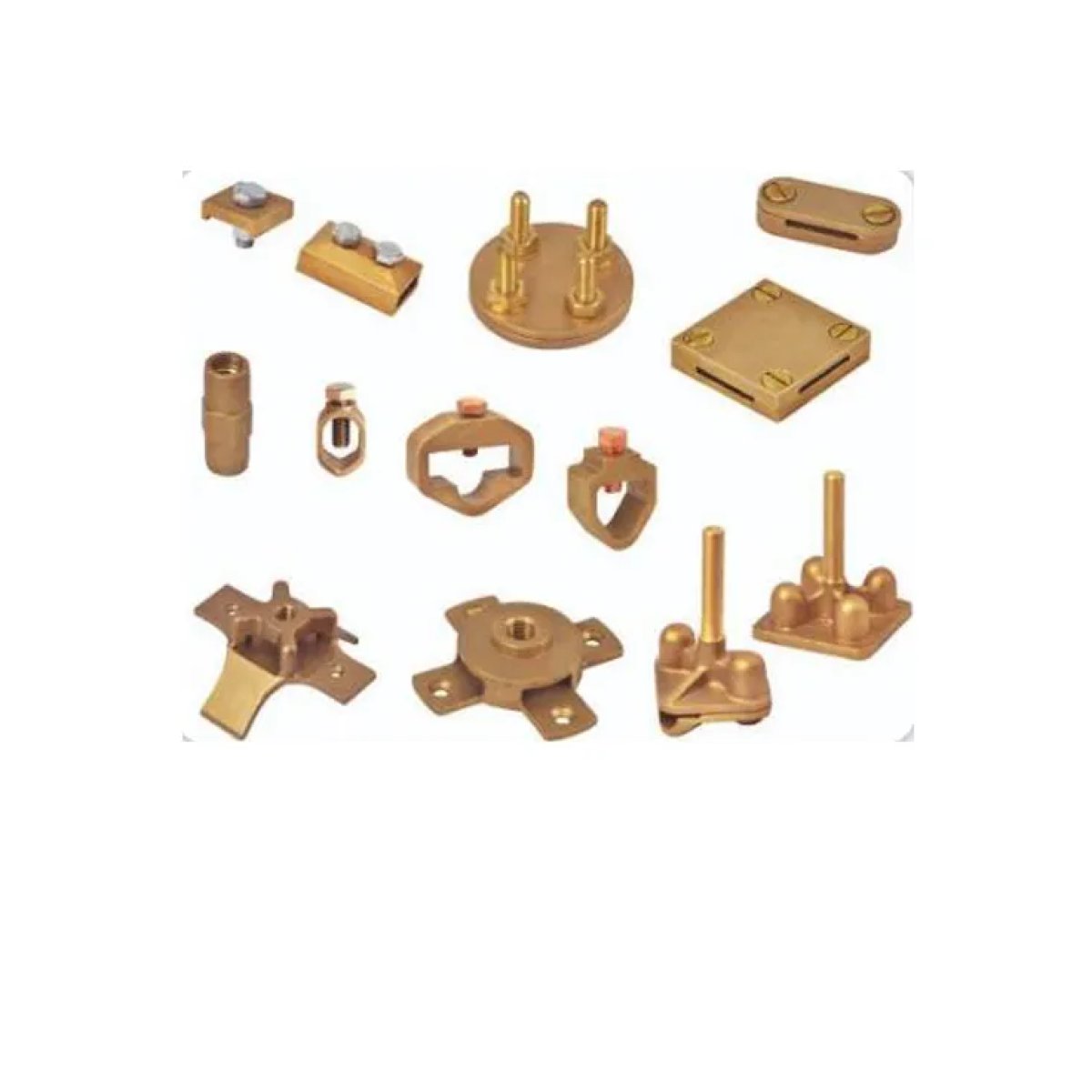
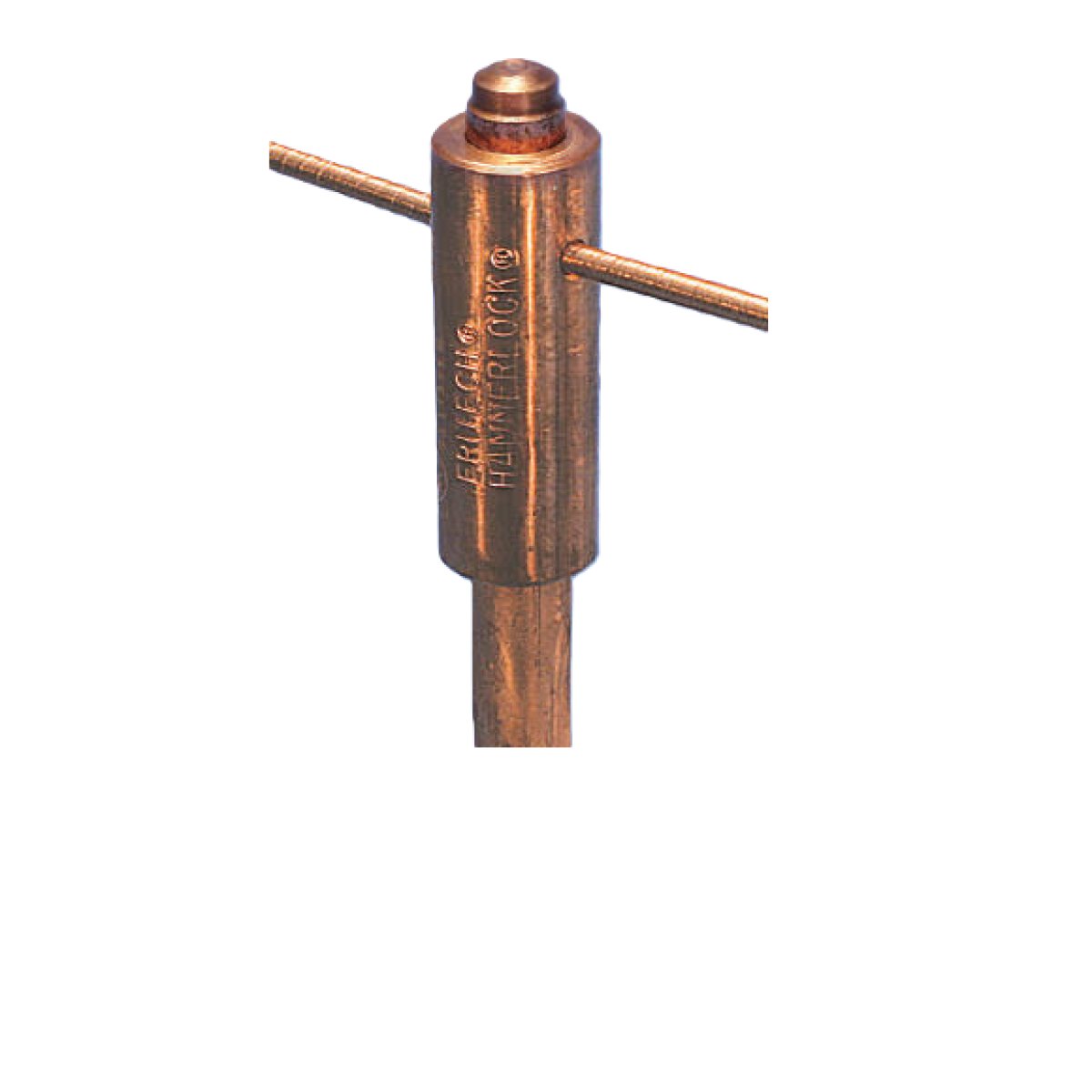
A Bonding Connection is the intentional electrical joining of two or more non-current-carrying metallic bodies (such as structural steel beams, metal water pipes, equipment enclosures, and cable trays) to form a continuous, low-impedance conductive path. While grounding connects a system directly to the earth, bonding ensures that all interconnected metal objects are maintained at the exact same electrical potential (equipotential), completely eliminating the risk of electrical shock or destructive arcing if an insulation fault occurs.
1. The Core Distinction: Bonding vs. Grounding
In electrical engineering, "bonding" and "grounding" (earthing) are frequently used interchangeably, but they perform entirely different safety functions within an infrastructure network.
Bonding (Equipotentiality): Ties metallic objects together. If an ungrounded live wire slips and touches a metal chassis, bonding ensures that nearby pipes, racks, and adjacent chassis instantly rise to the exact same voltage level. Because there is zero voltage differential (potential difference) between the objects, a human touching both items simultaneously will not complete a circuit and cannot be electrocuted.
Grounding (Earthing): Ties the bonded network to the earth. It provides a safe, intentional, and low-resistance path for fault currents to travel back to the utility source, which rapidly trips circuit breakers or fuses to completely isolate the damaged circuit.
2. Technical Execution Methods
Because a bonding network must carry massive fault currents without melting or introducing resistance bottlenecks, the physical connection points must be structurally robust and chemically stable.Exothermic Welding (Cadweld)
The gold standard for high-criticality bonding. A graphite mold is clamped over the connection, and a chemical mixture of copper oxide and aluminum powder is ignited. The resulting reaction creates molten copper at over 1400°C (2500°F), molecularly fusing the metals together.
Pros: Permanent, zero electrical resistance drift, completely immune to corrosion, and cannot loosen over time. Highly preferred for subterranean grounding grids and heavy industrial structural beams.
Mechanical Braid & Lug Connections
Utilizes heavy-duty, tin-plated copper compression lugs or flexible, flat-braided copper straps bolted directly to equipment chassis using star-washers (which bite through non-conductive paint to establish direct metal-to-metal contact).
Pros: Flexible and removable. Flat-braided straps are uniquely critical for high-frequency noise mitigation; their high surface-area-to-volume ratio reduces skin effect impedance, making them highly effective at shunting high-frequency electromagnetic interference (EMI) to ground.
3. Enterprise Applications & Equipotential Planes
Modern industrial and technology facilities deploy strict bonding topologies to protect both human life and hyper-sensitive solid-state microprocessors.Facility ApplicationStructural ExecutionEngineering ObjectiveData Center Signal Reference Grids (SRG)A tightly woven grid of flat copper strips ($2 \times 2\text{ foot}$ spacing) mechanically bonded beneath the raised computer flooring.Creates an equipotential plane that neutralizes high-frequency digital noise and static charges, preventing data corruption across networked server racks.Metallic Piping SystemsHeavy-duty copper bonding clamps and thick copper wire bridge across water meters, gas line valves, and structural joints.Ensures that a localized fault inside a water heater or pump cannot accidentally energize the entire plumbing infrastructure of a commercial building.Hazardous/Explosive EnvironmentsContinuous bonding tracks bridging across fuel storage tanks, chemical piping flanges, and loading docks.Eliminates the accumulation of static electricity. Without bonding, the friction of fluid flowing through a pipe can create a static spark capable of detonating ambient volatile vapors.The Main Bonding Jumper (The Safety Pivot)
The absolute most critical bonding connection in any building is the Main Bonding Jumper. Installed strictly within the primary service disconnect panel, this physical busbar or thick wire connects the building's Neutral Bus directly to the Ground Bus.
If a live phase wire inside a building faults directly to a metal equipment enclosure, the current flows through the equipment's bonding wire, hits the ground bus, crosses the Main Bonding Jumper, and slams straight into the neutral line. Because this bypasses the high resistance of the earth soil and creates a clean, low-impedance short circuit, the current spikes instantly into thousands of amperes. This extreme surge forces the magnetic element of the upstream circuit breaker to trip open within milliseconds, completely de-energizing the hazard before an individual can come into contact with it.