
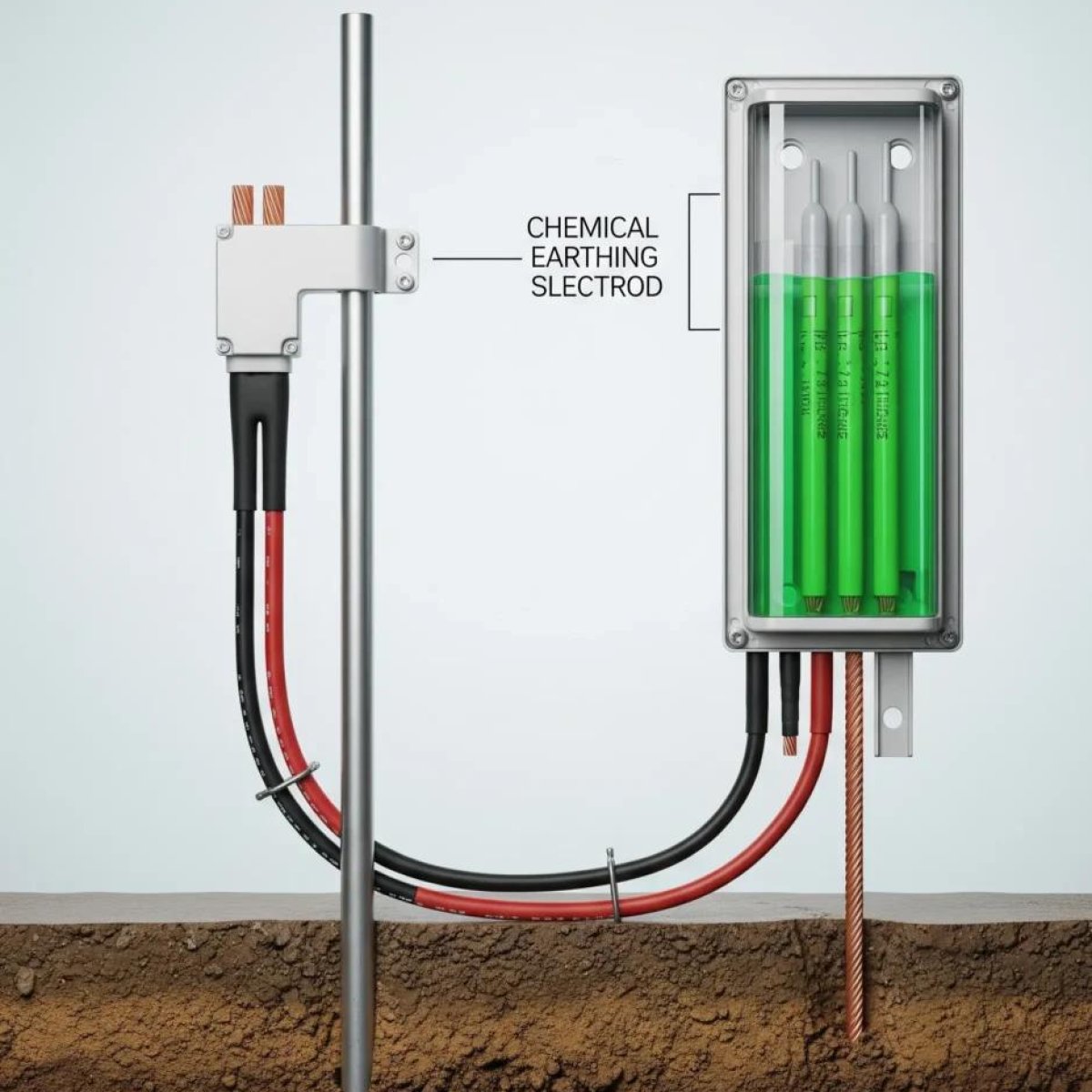
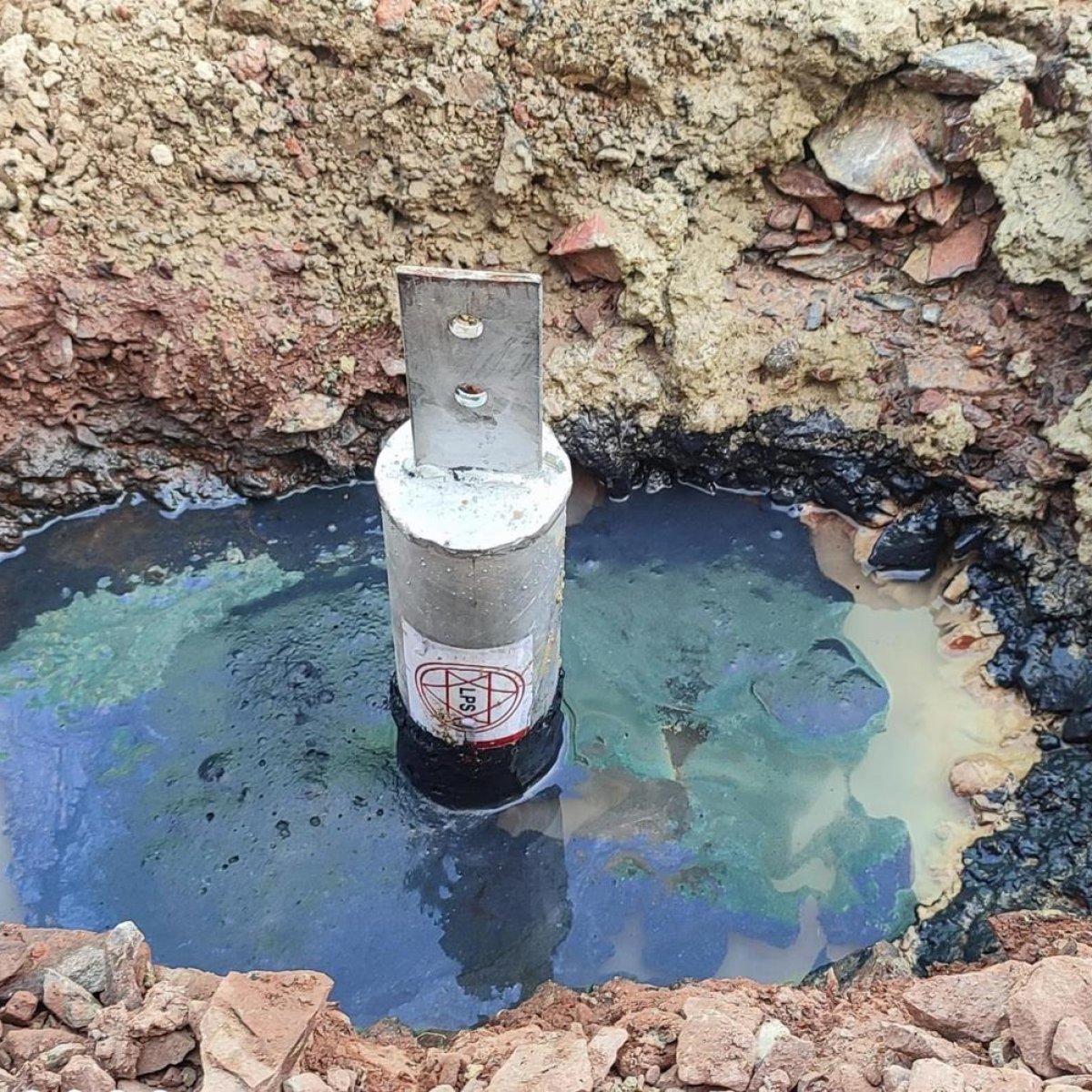
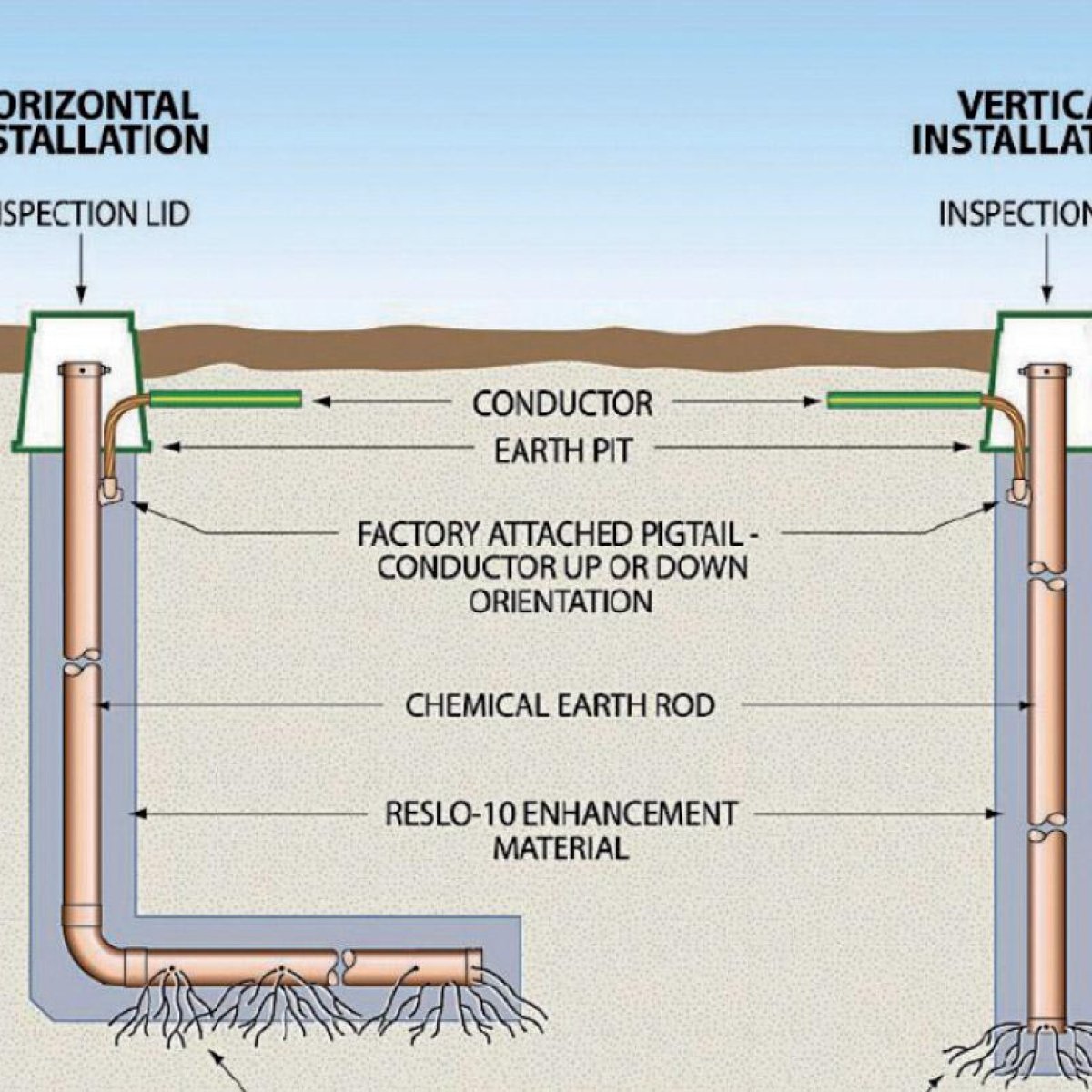
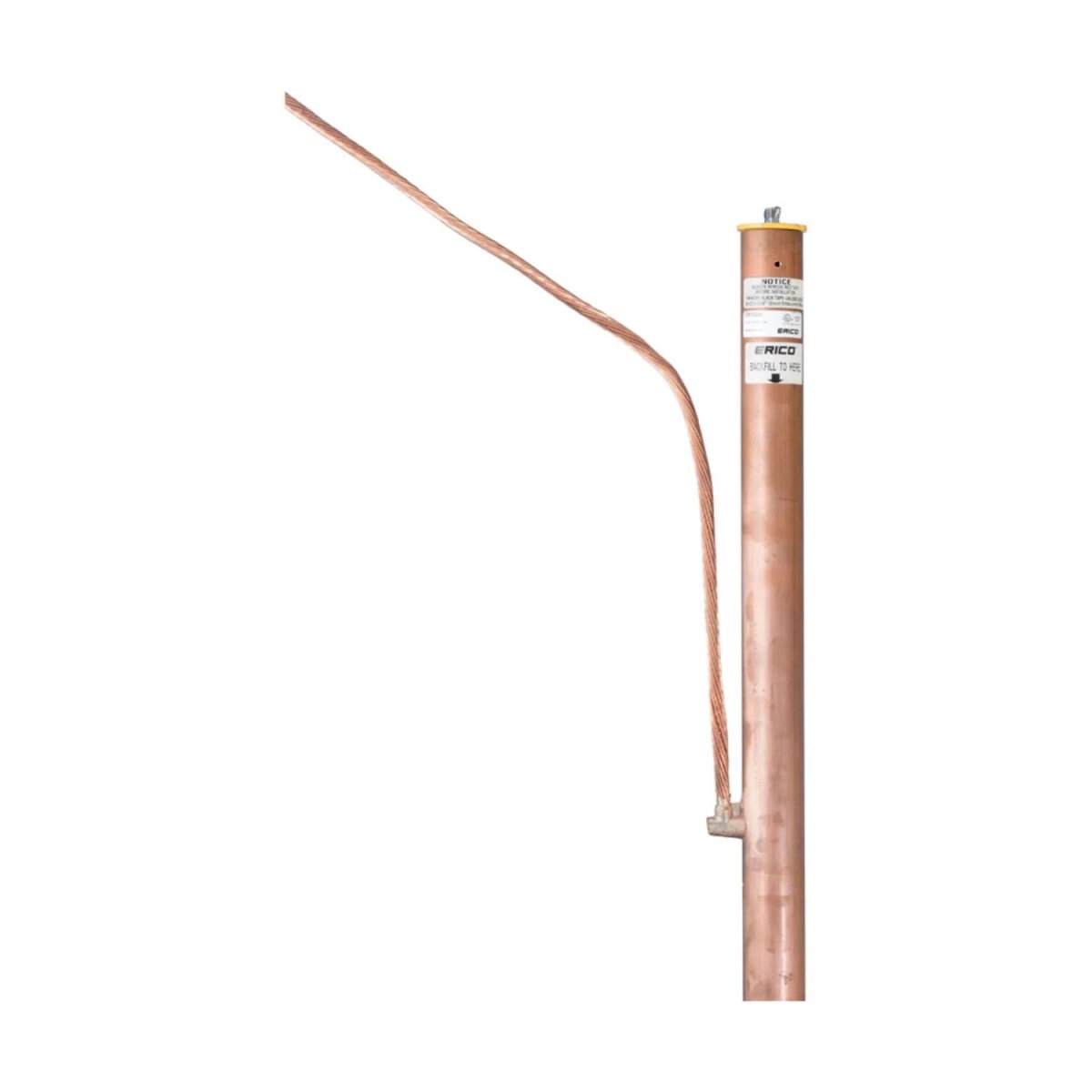
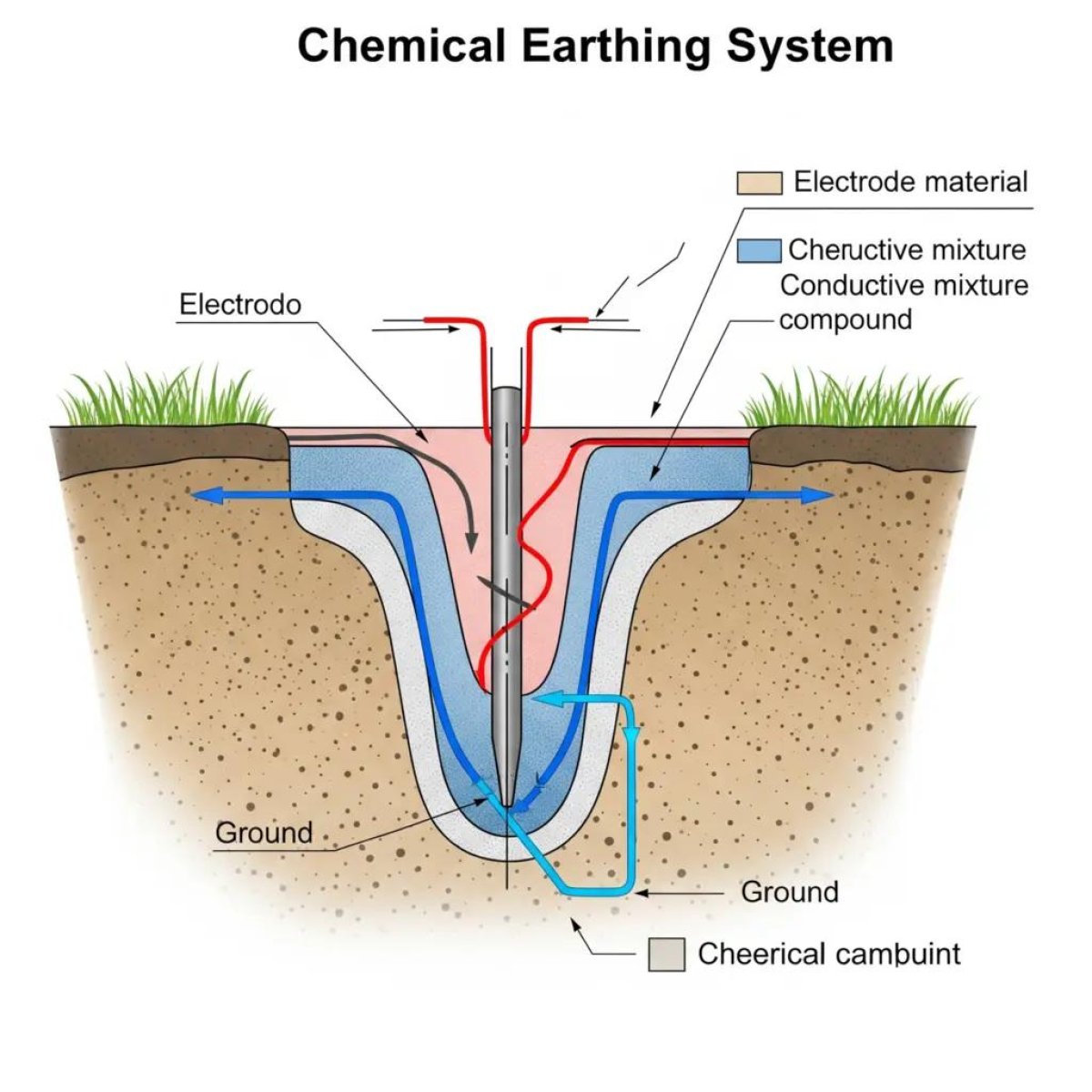
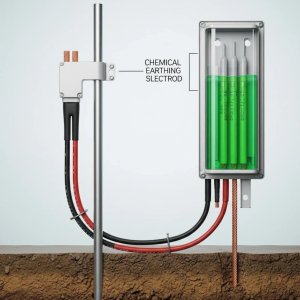
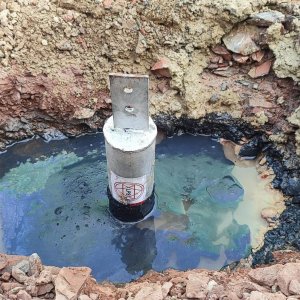
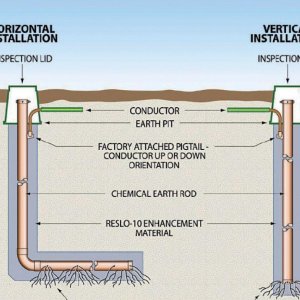
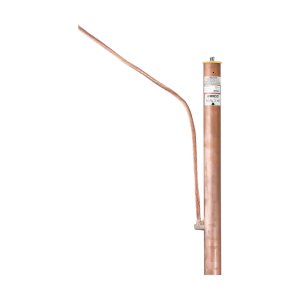
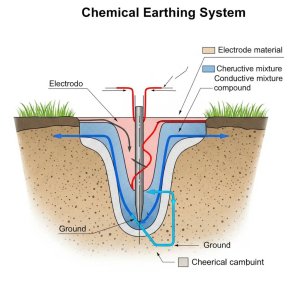
A Chemical Grounding Electrode is a specialized grounding electrode designed to maintain low earth resistance by using conductive compounds that improve soil conductivity, particularly in high-resistance soil conditions.
A Chemical Grounding Electrode consists of a hollow copper or stainless steel electrode filled with conductive salts or compounds that gradually leach into the surrounding soil. This helps stabilize soil conductivity and maintain low grounding resistance over time, especially in rocky, sandy, or dry soils.
These electrodes are widely used for sensitive electrical installations, substations, telecommunications, renewable energy systems, and critical infrastructure.
Key Features
Common Applications
Typical Specifications