
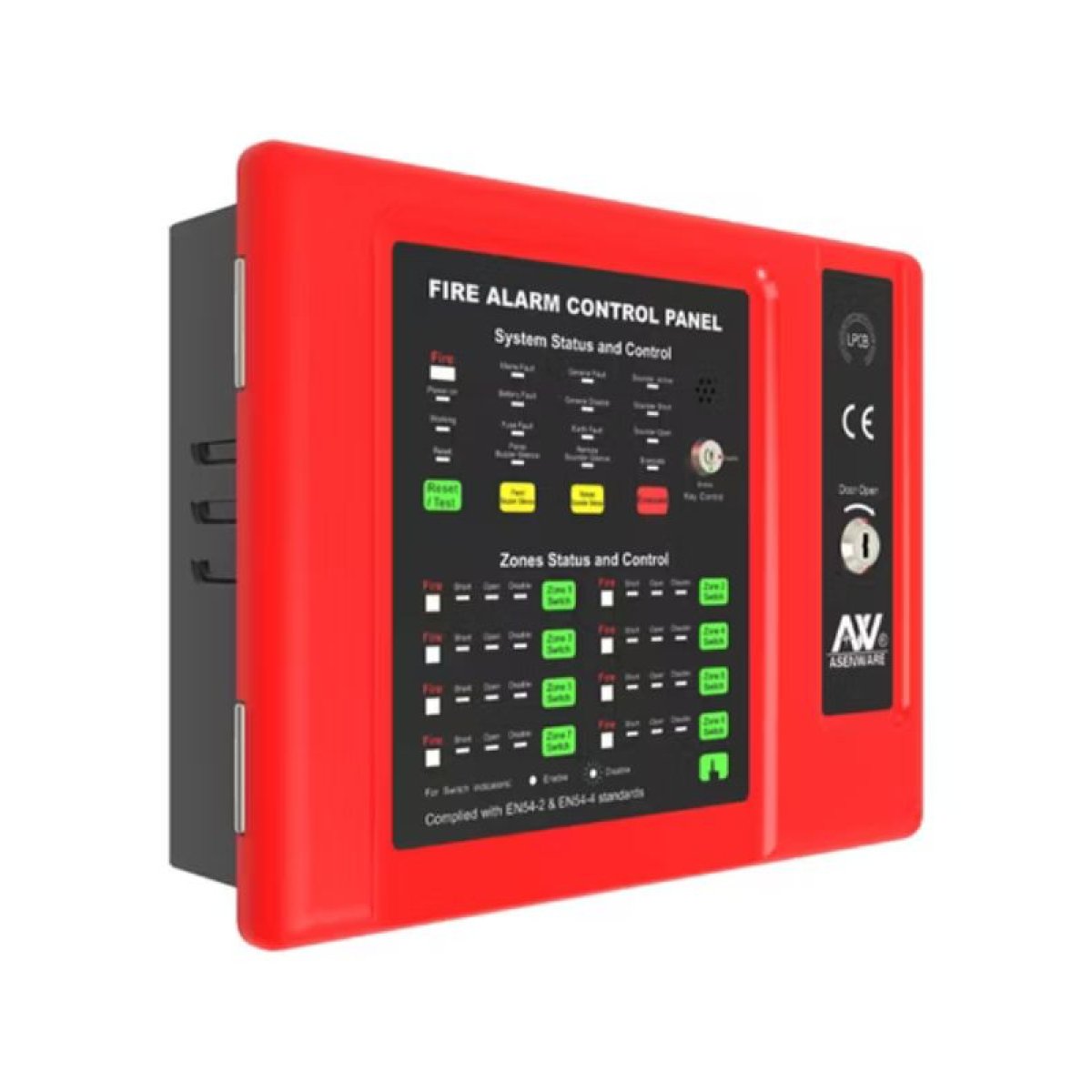
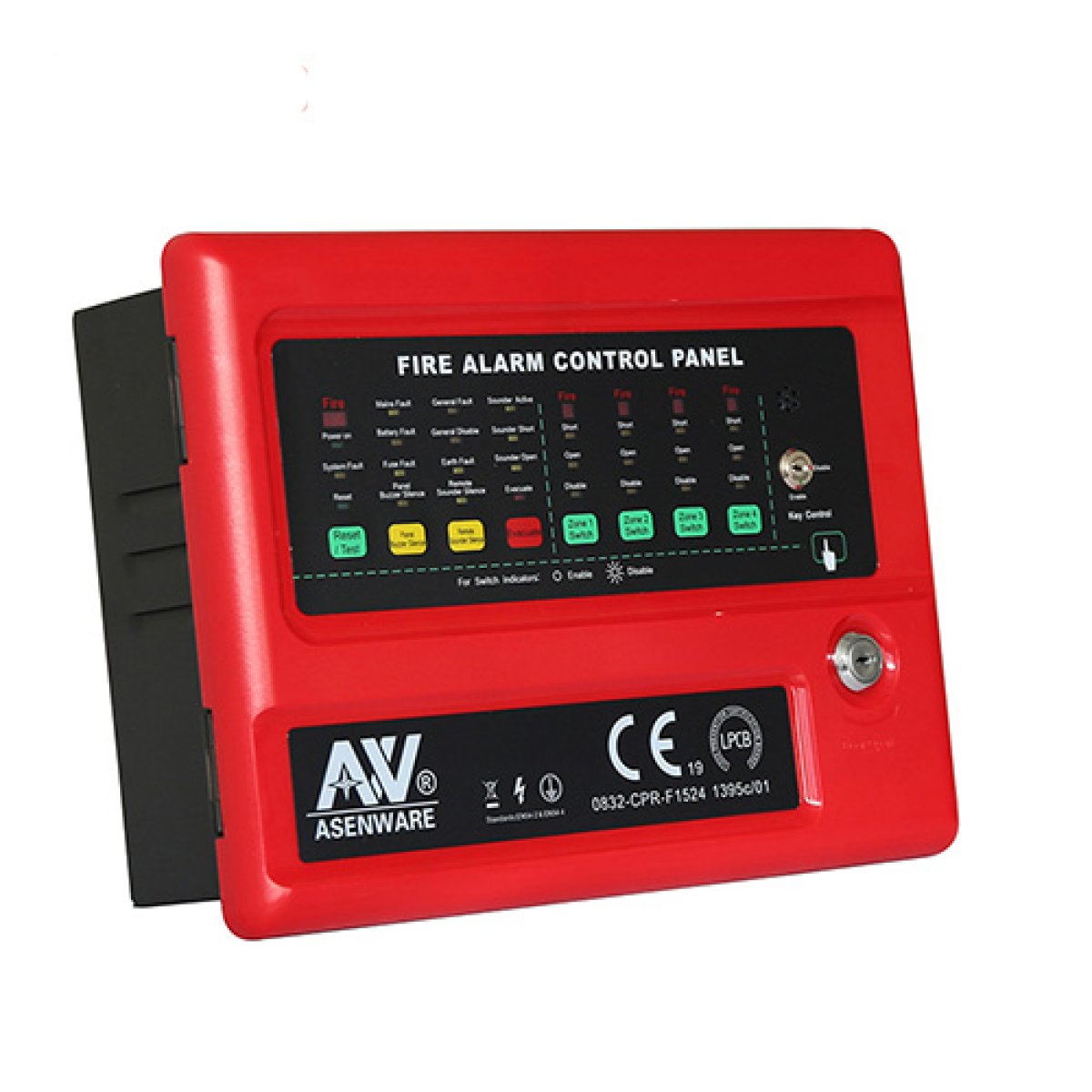
A fire alarm control panel is the central unit of a fire detection system that monitors detectors, processes signals, and activates alarms and safety responses during a fire emergency.
A fire alarm control panel (FACP) is the central command unit of a fire detection and alarm system. It receives signals from connected devices such as smoke detectors, heat detectors, manual call points, and gas detectors, and processes this information to determine if a fire or emergency condition exists.
When a threat is detected, the control panel activates alarms such as sirens, bells, and visual indicators to alert occupants. It can also trigger additional safety systems, including fire sprinklers, emergency lighting, ventilation controls, and building management systems.
Fire alarm control panels are commonly used in residential buildings, offices, commercial complexes, hospitals, schools, and industrial facilities. They are available in conventional and addressable types. Conventional panels divide the building into zones, while addressable panels identify the exact location of the triggered device for faster response.
Modern control panels feature digital displays, programmable settings, event logging, remote monitoring, and integration with advanced safety systems. They are designed for reliability, ease of use, and compliance with fire safety standards.
Regular inspection, testing, and maintenance are essential to ensure proper operation and system readiness during emergencies.
Overall, a fire alarm control panel is a critical component of any fire protection system, ensuring coordinated detection, alerting, and response to safeguard lives and property.