
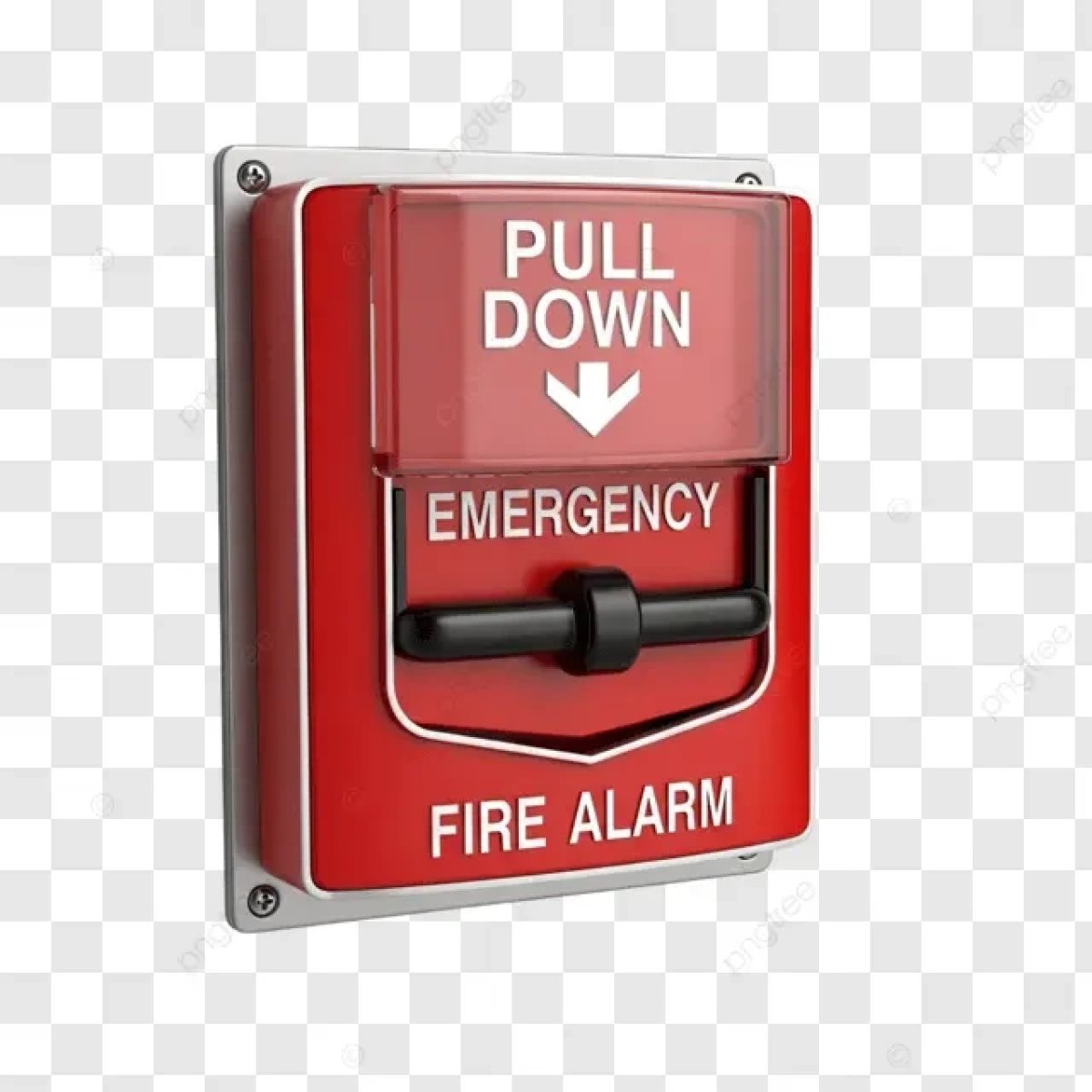
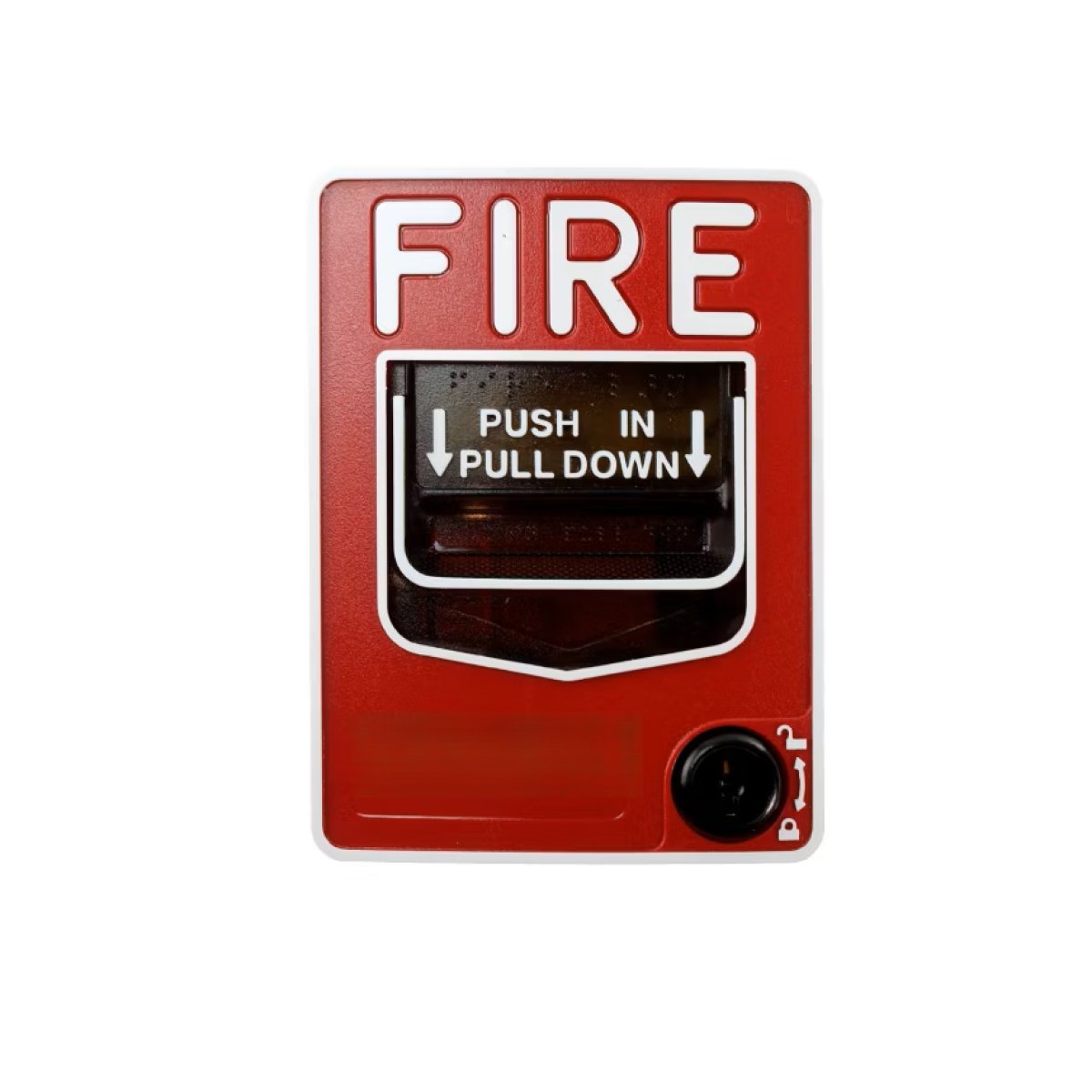
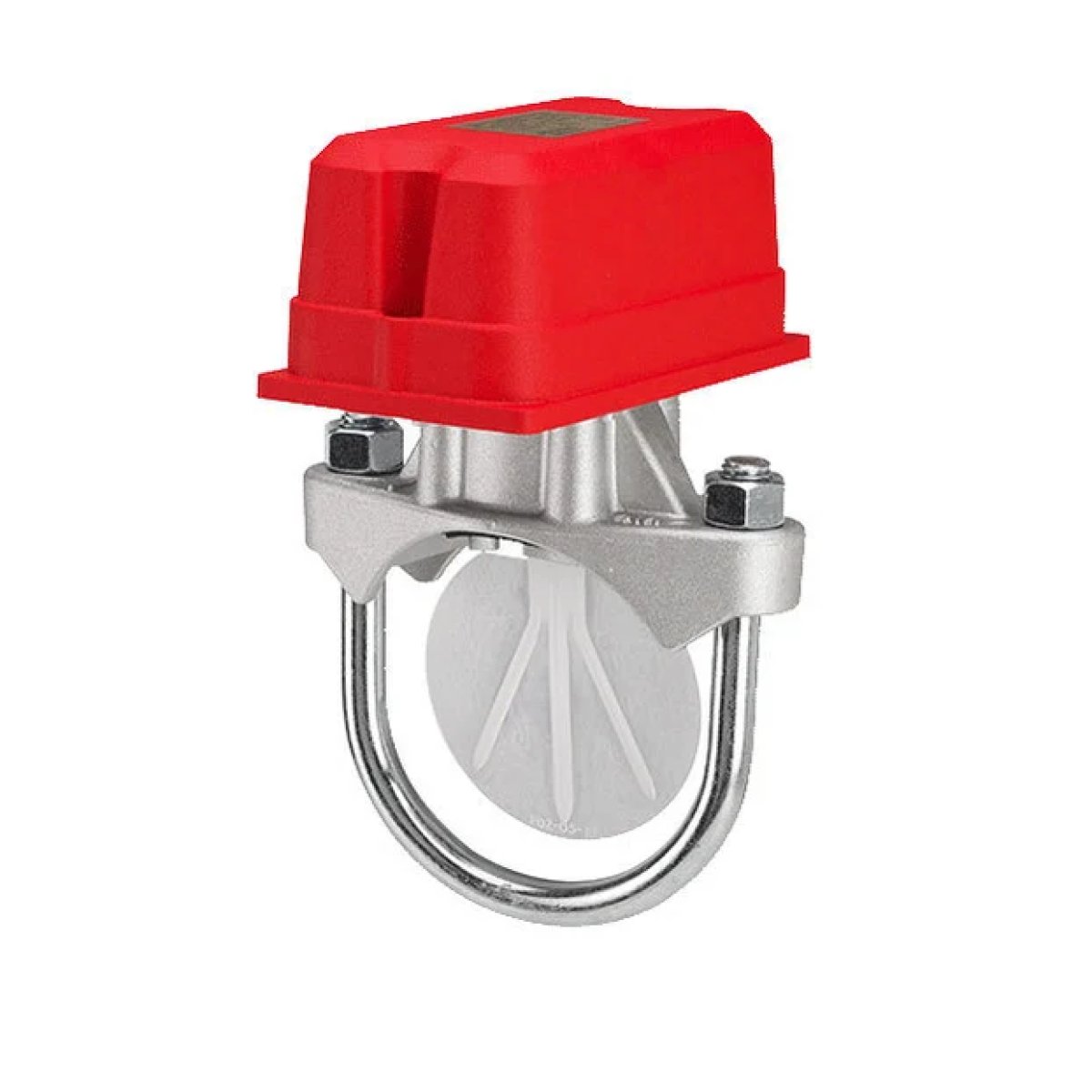
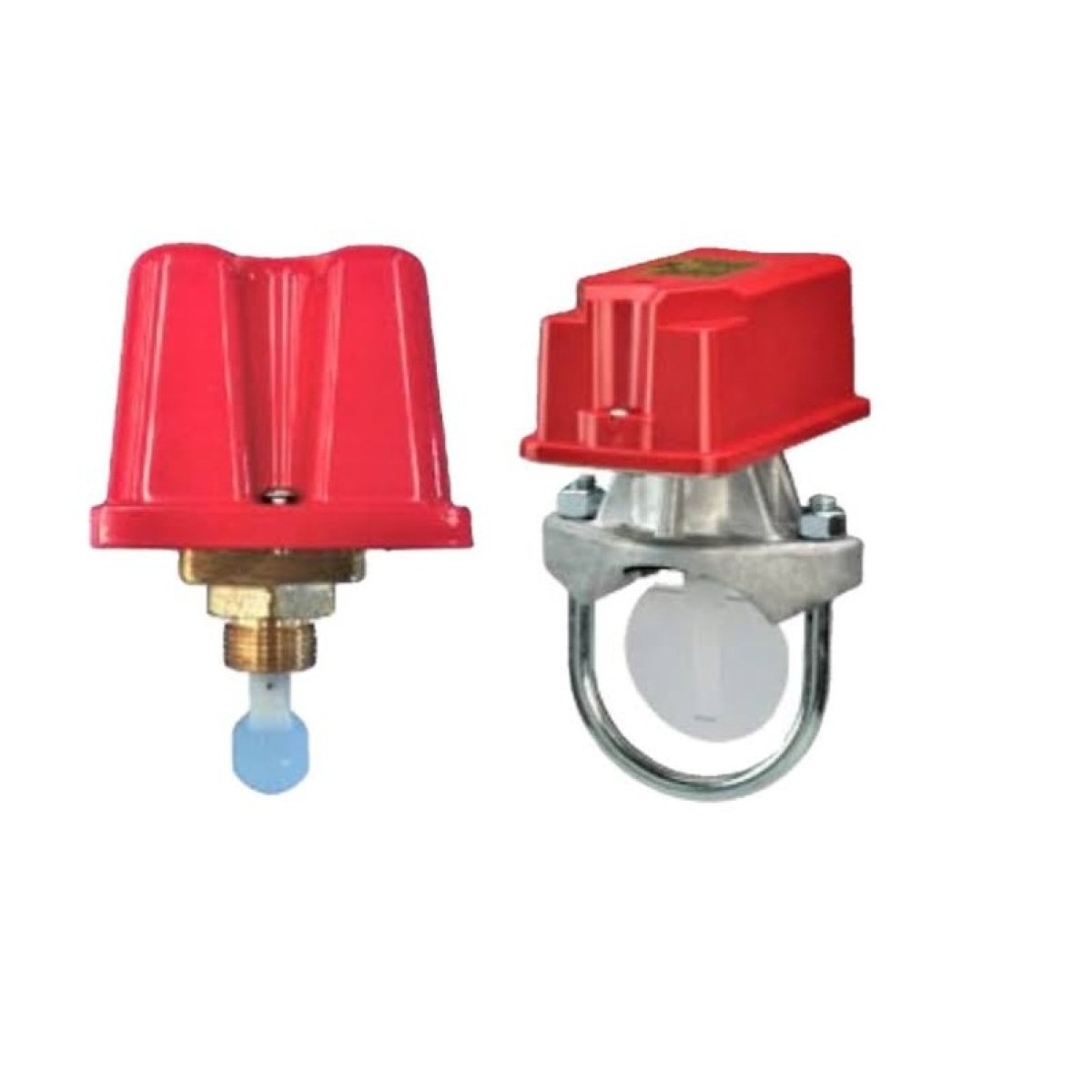
A Fire & Life Safety Integration system is a coordinated network that links a building's primary fire alarm control panel (FACP) with auxiliary building systems like HVAC, access control, elevators, and mass notification platforms. This unified ecosystem ensures that the moment a life-safety event (smoke, fire, or toxic gas) is detected, the property automatically transitions into a controlled emergency state—isolating hazards, clearing egress pathways, and executing orderly evacuation protocols.
System Architecture & Interlocking Matrix
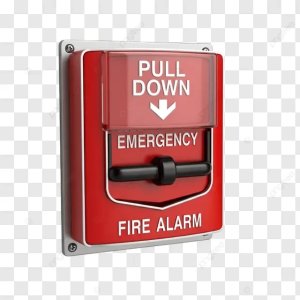
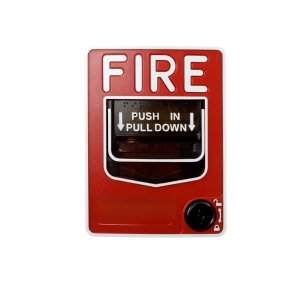
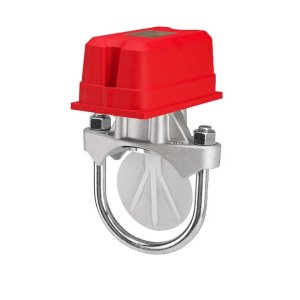
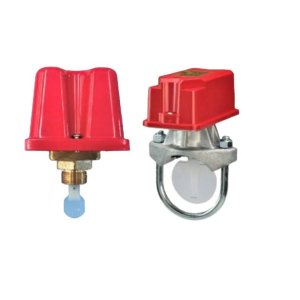
The backbone of fire and life safety integration is the Cause-and-Effect Matrix (or Input/Output Logic). A centralized Fire Alarm Control Panel (FACP) serves as the primary intelligence hub, processing data from input devices and firing off emergency commands across a survivable, redundant network.The Input Layer: Consists of addressable smoke detectors (photoelectric or ionization), thermal sensors, manual pull stations, and water-flow switches connected to fire sprinkler risers.
The Control Layer (FACP): Evaluates input locations down to the exact zone, room, or device address. It maintains physical separation from non-safety building systems via supervised relays, network gateways, or dry-contact interfaces to ensure that a failure in a commercial building network cannot disable life-safety operations.
The Output Layer: Executes synchronized commands across separate proprietary building systems to contain the threat and preserve human life.
2. Core Operational Integrations
When an emergency threshold is breached, the FACP automatically overrides standard building operations across several disciplines:HVAC and Smoke Control (Air Handling)
To prevent the asphyxiating spread of toxic smoke through air ducts, the integration system forces air handling units (AHUs) into designated emergency modes:
Fire Damper Closure: Motorized, fire-rated dampers inside the ductwork snap shut to compartmentalize the fire zone.
Stairwell Pressurization: Dedicated high-volume fans activate to pump fresh air into exit stairwells. This creates positive air pressure, preventing smoke from penetrating egress corridors when occupants open heavy fire doors.
Access Control and Security
Security infrastructure must instantly yield to human life safety during an evacuation:
Fail-Safe Release: Magnetic locks (maglocks) on secured turnstiles, perimeter exits, and high-security doors lose power automatically, allowing occupants to push past doors without needing keycards or biometric scans.
Emergency Muster Tracking: Integration with access control databases allows safety wardens to see who scanned into the building but has not yet scanned out at an external assembly point.