
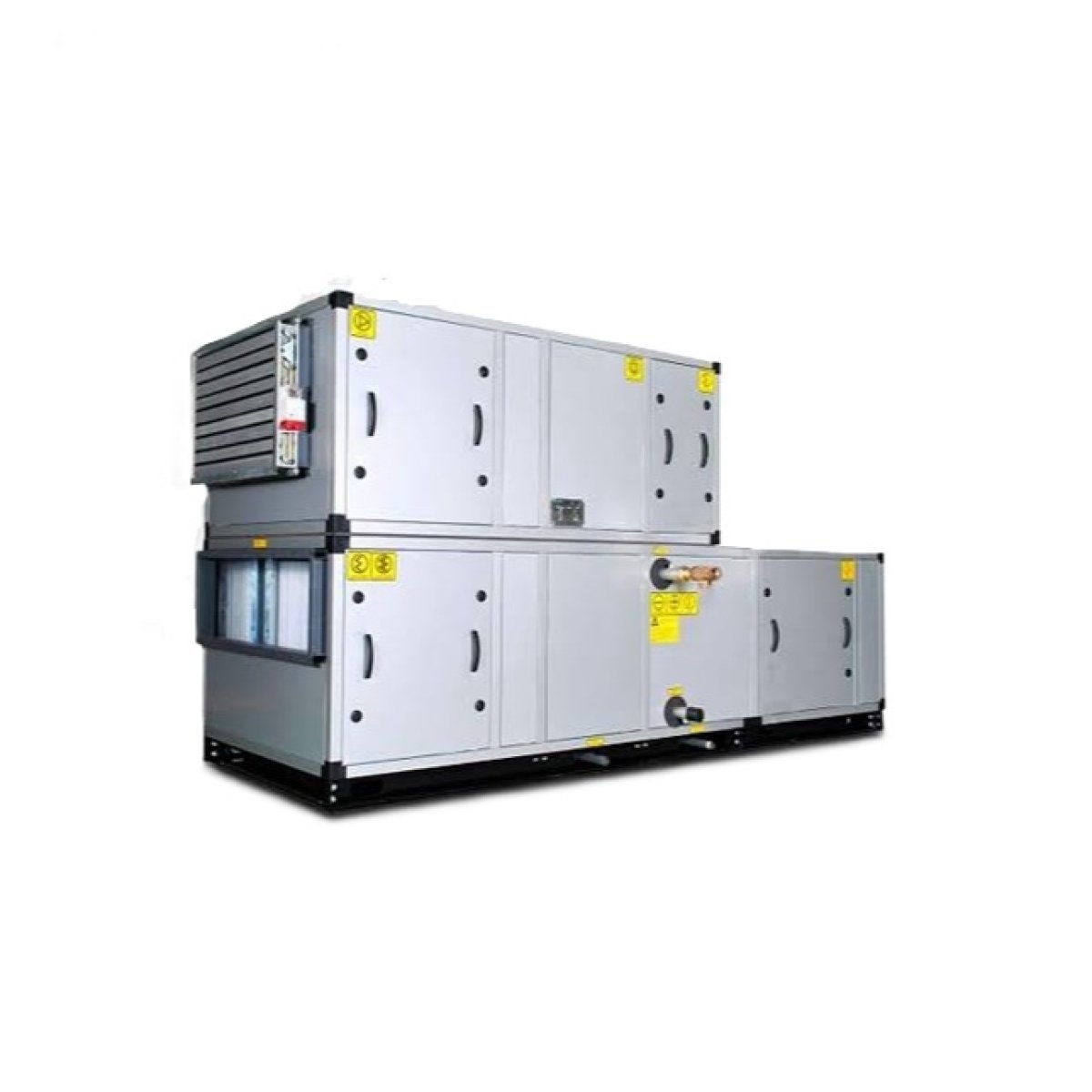
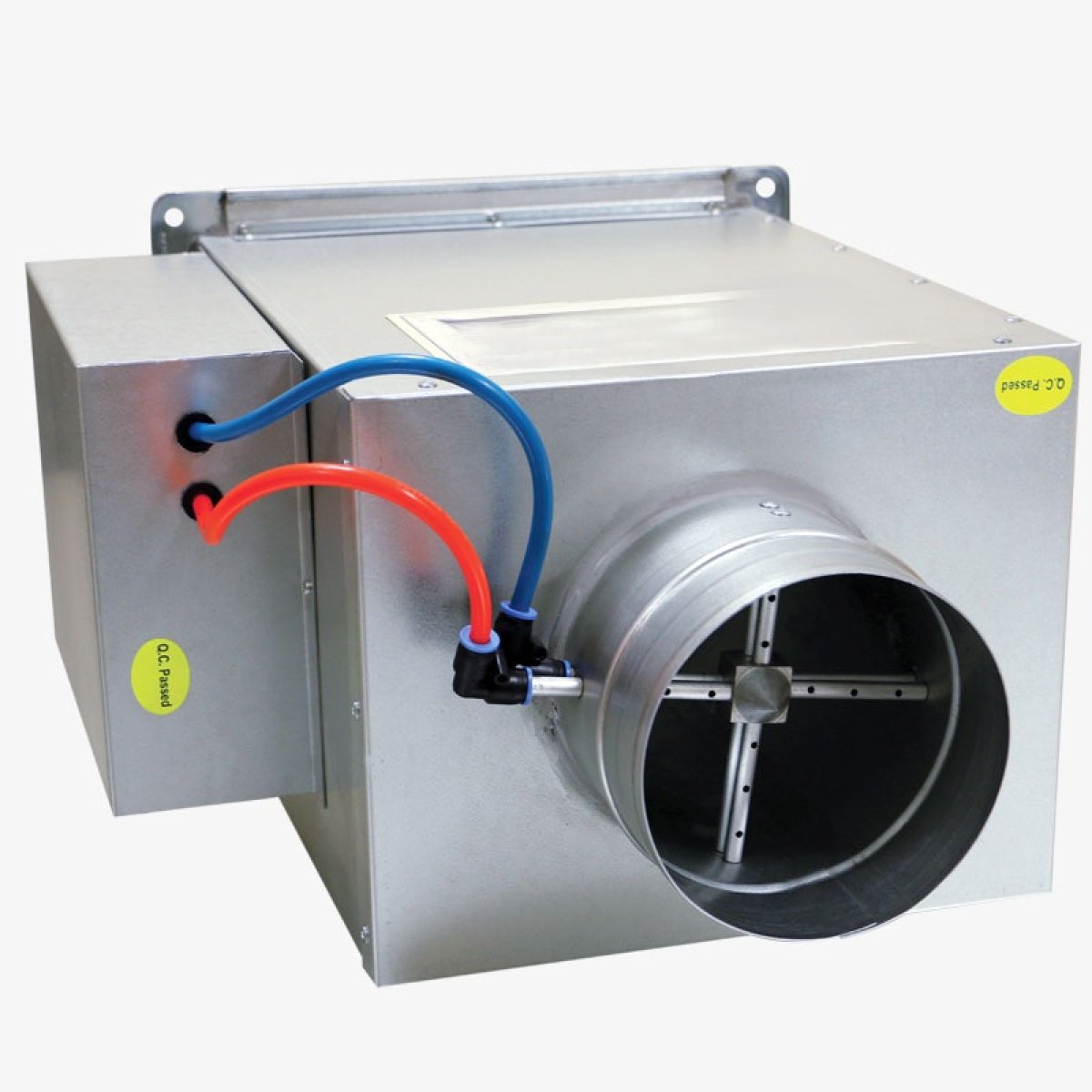
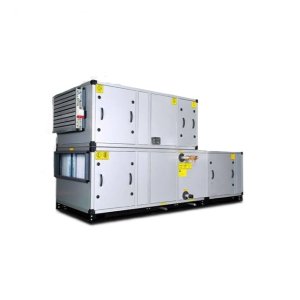
Air Handling Unit (AHU)
The central hub that conditions (heats, cools, filters) and circulates air.
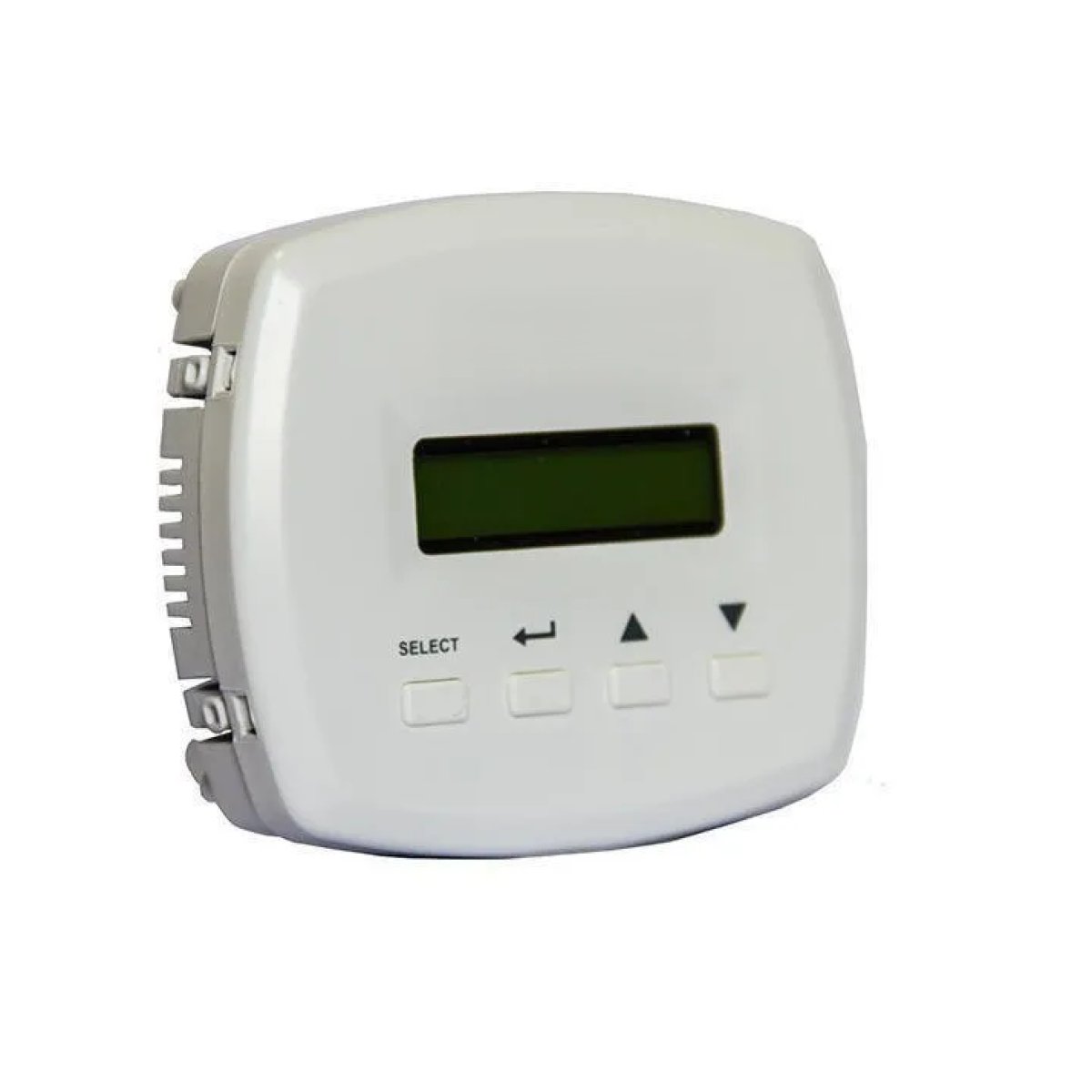
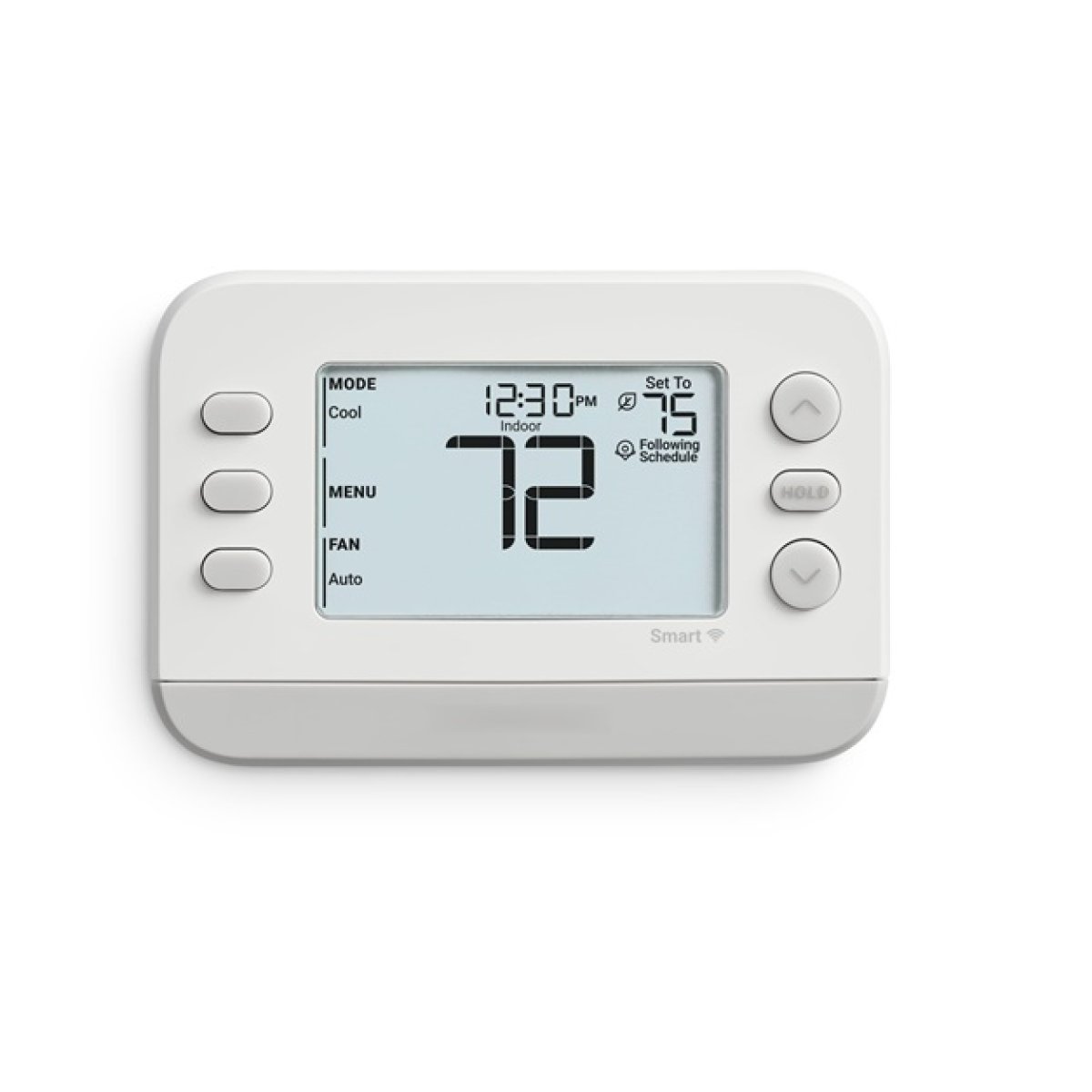
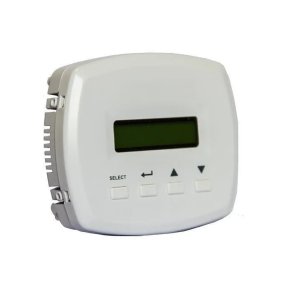
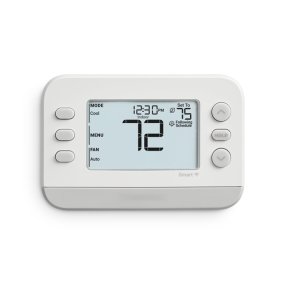
Thermostat
The user interface for setting and monitoring room temperature.
Temperature Sensor
Measures air or fluid temperature at specific points in the system.
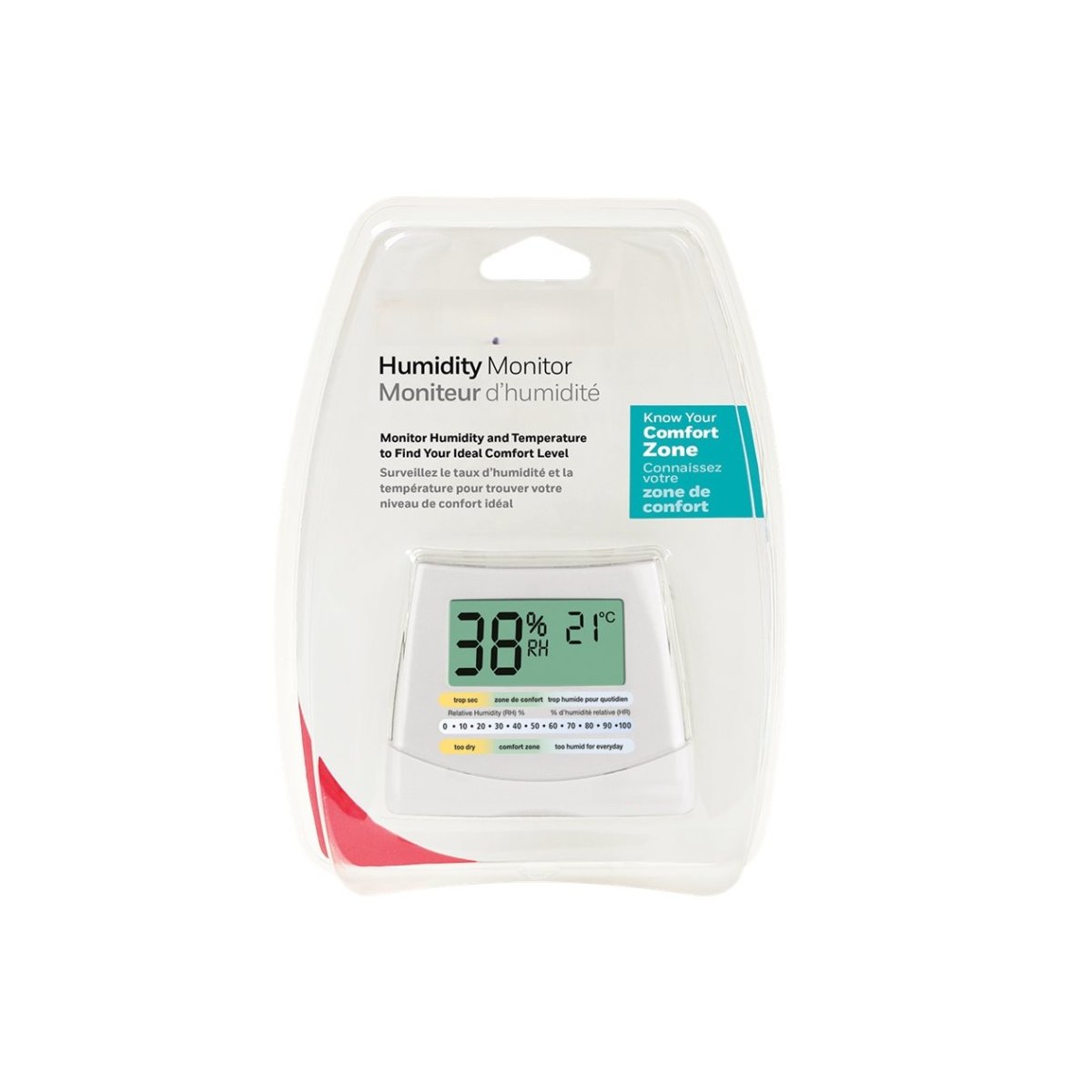
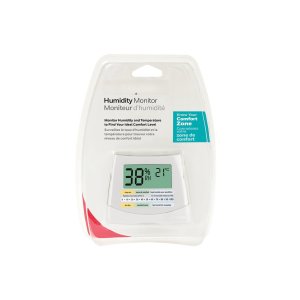
Humidity Sensor
Measures the moisture levels in the air.
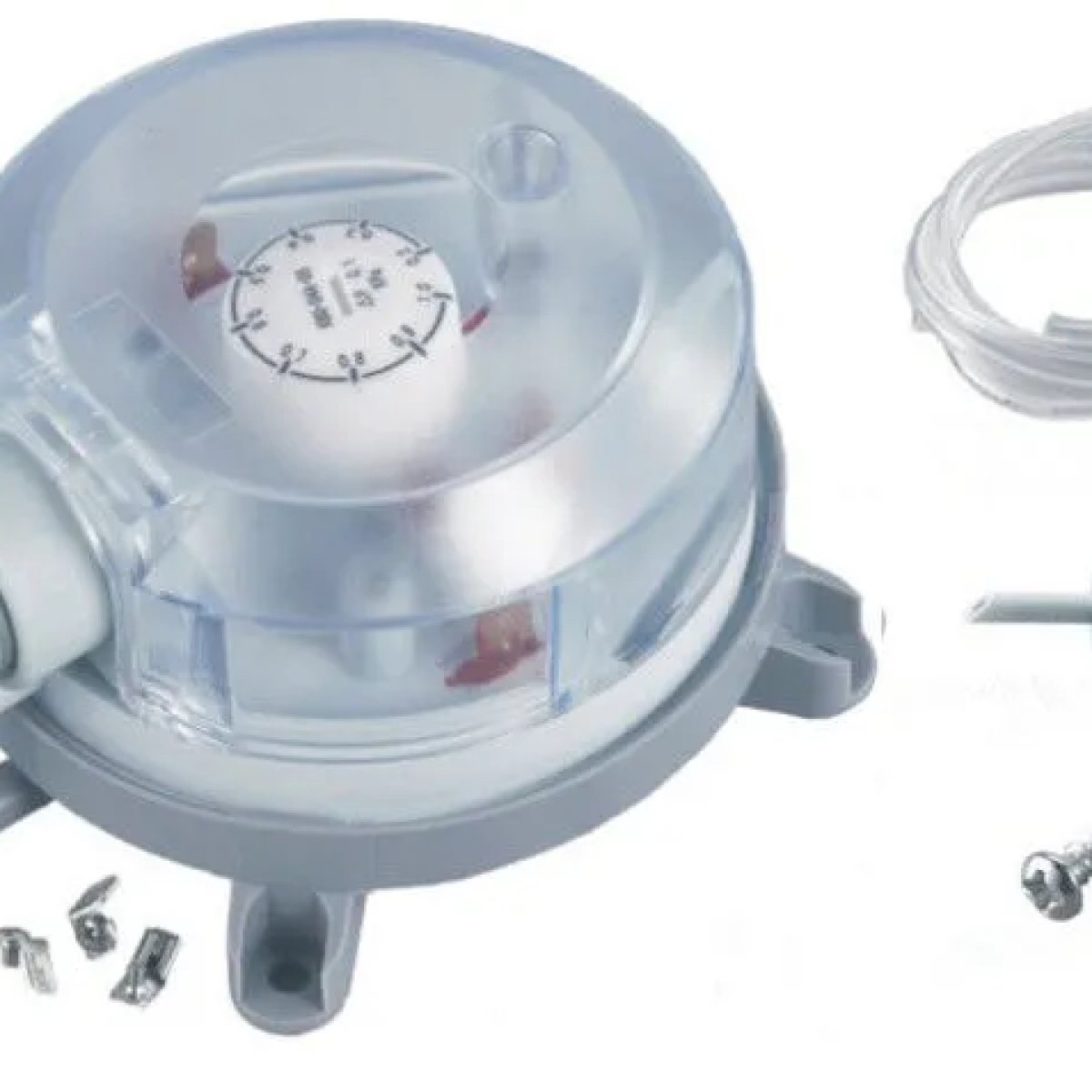
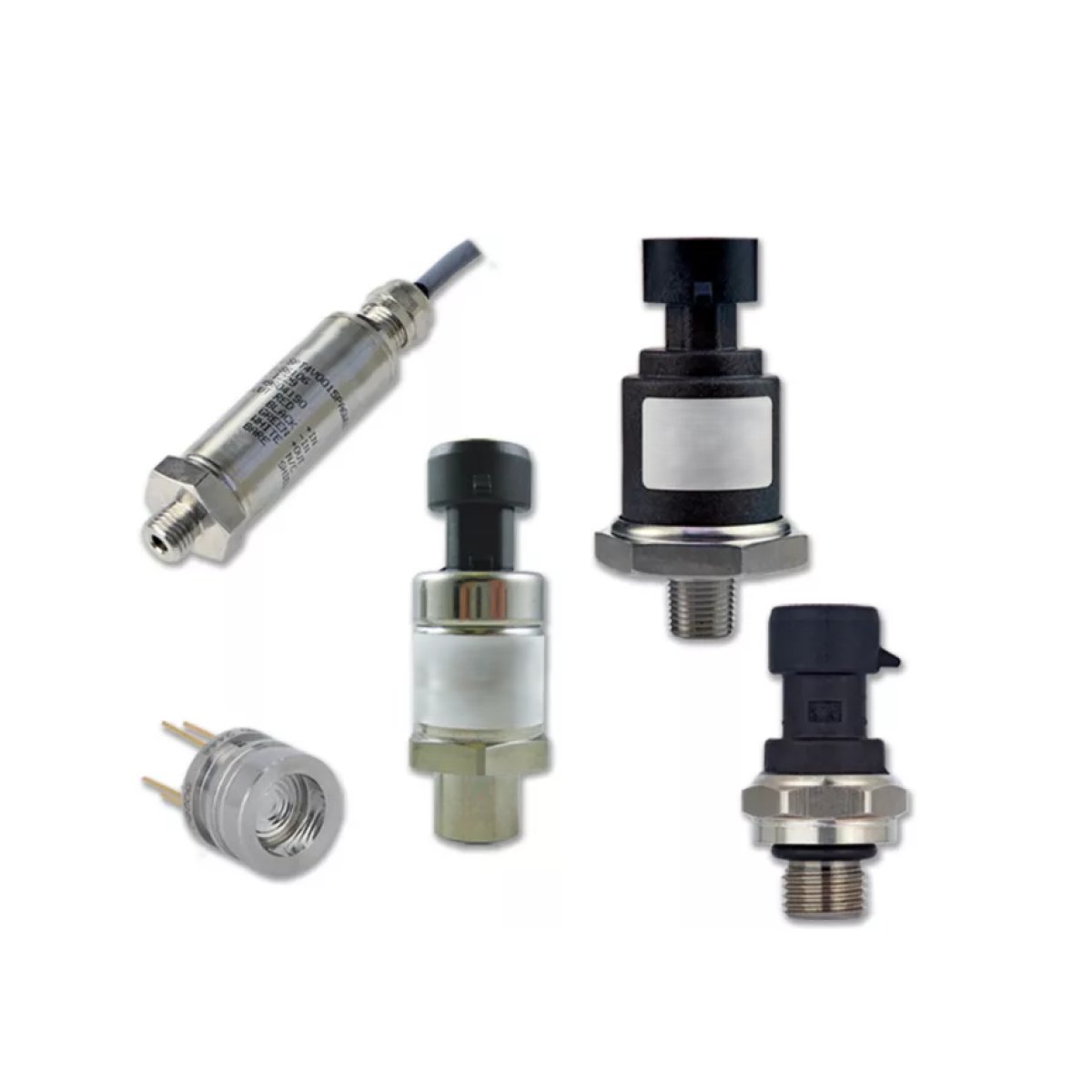
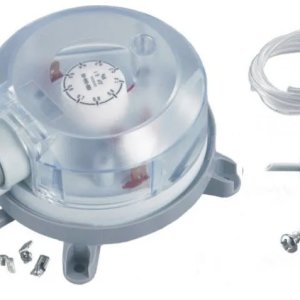
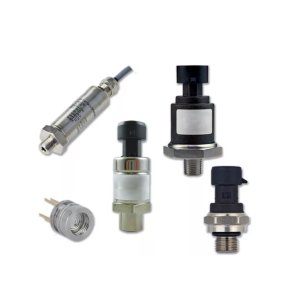
Pressure Sensor
Monitors air or fluid pressure inside ducts and pipes.
Remote Sensors
Specialized, detached sensors used for localized data gathering.
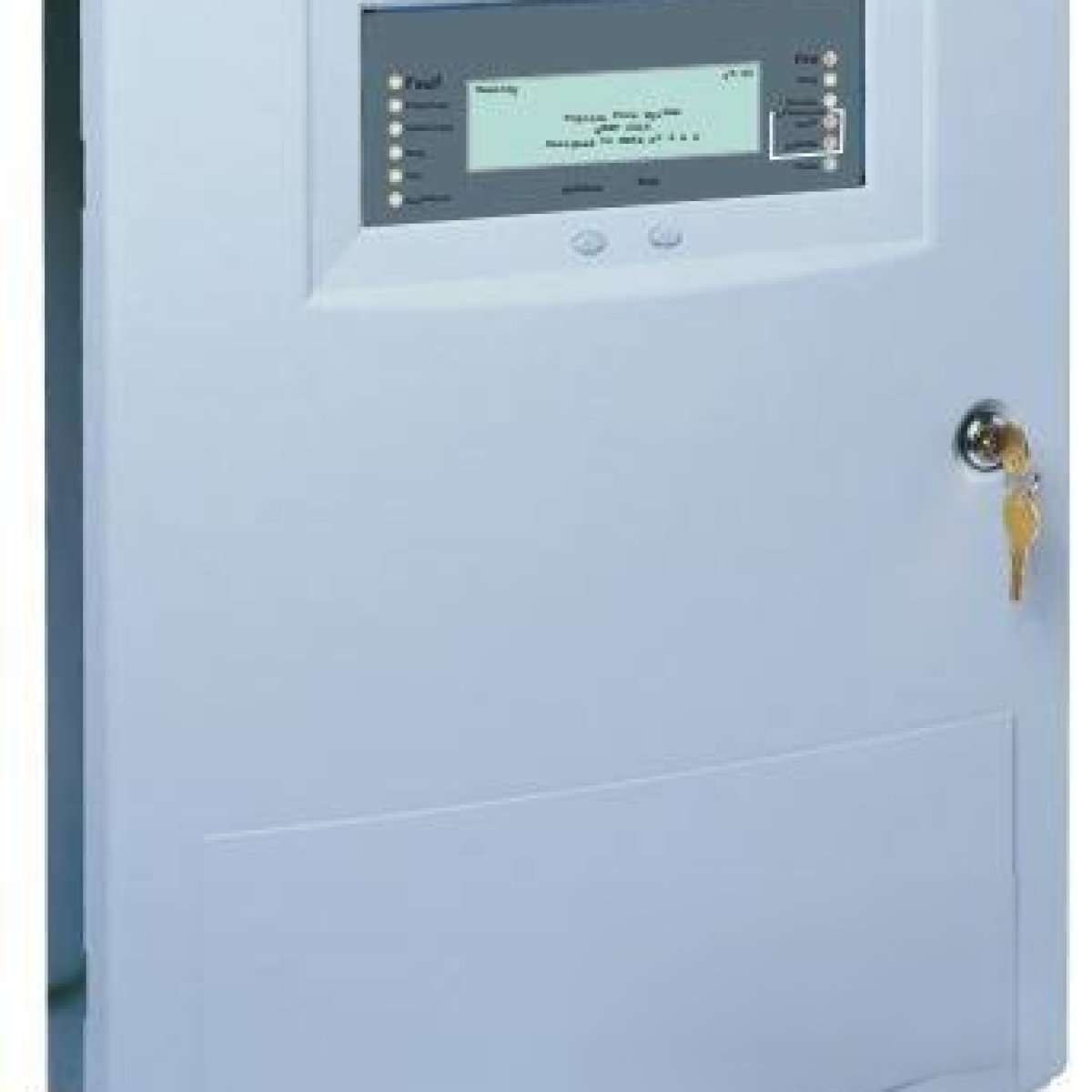
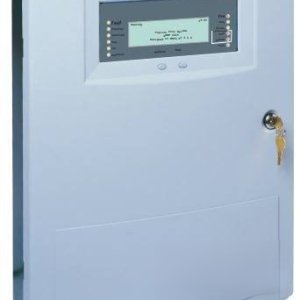
Control Panel
The protective enclosure housing electrical and electronic control hardware.
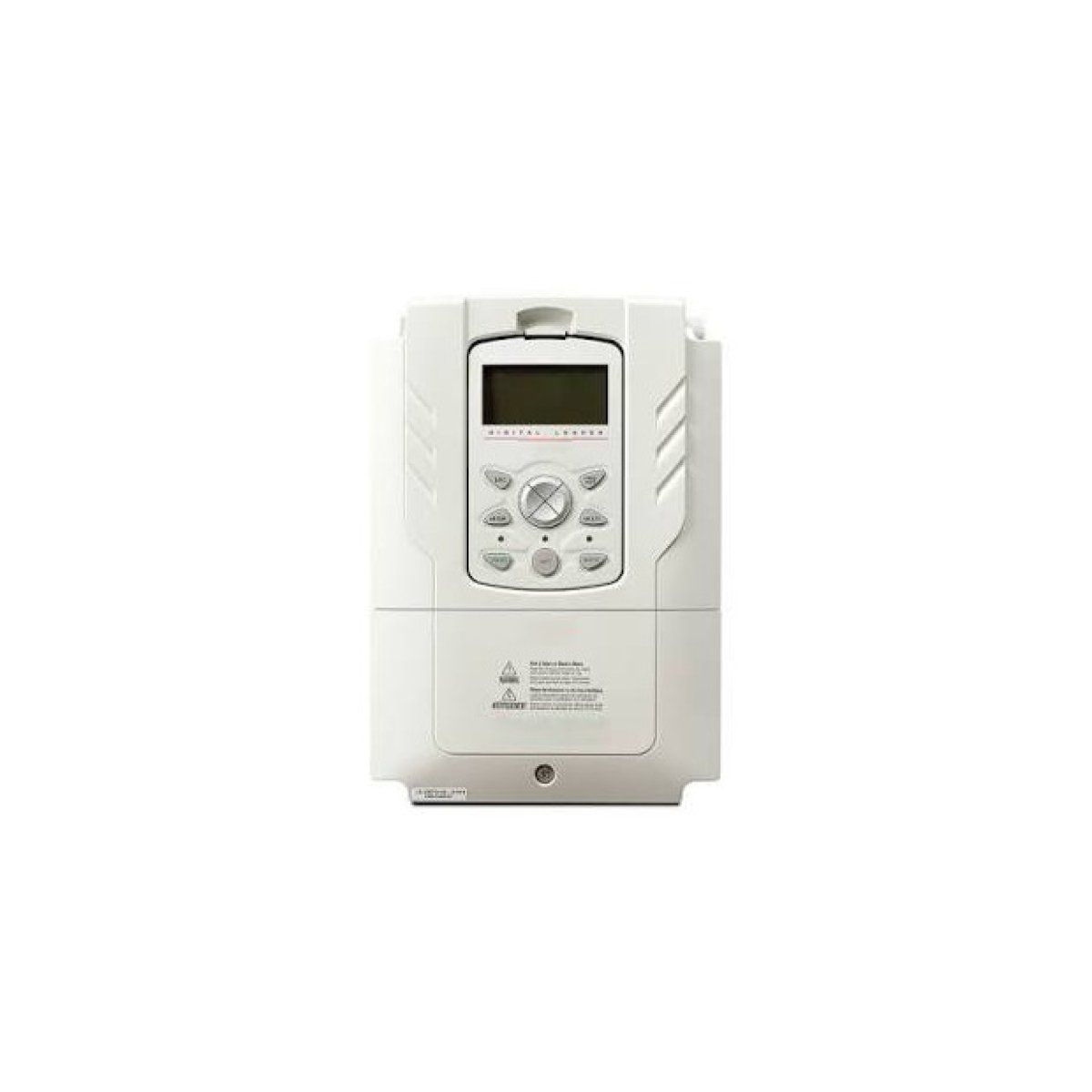
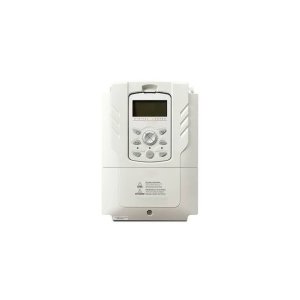
Variable Frequency Drive (VFD)
Regulates motor speed to save energy and match airflow demand.
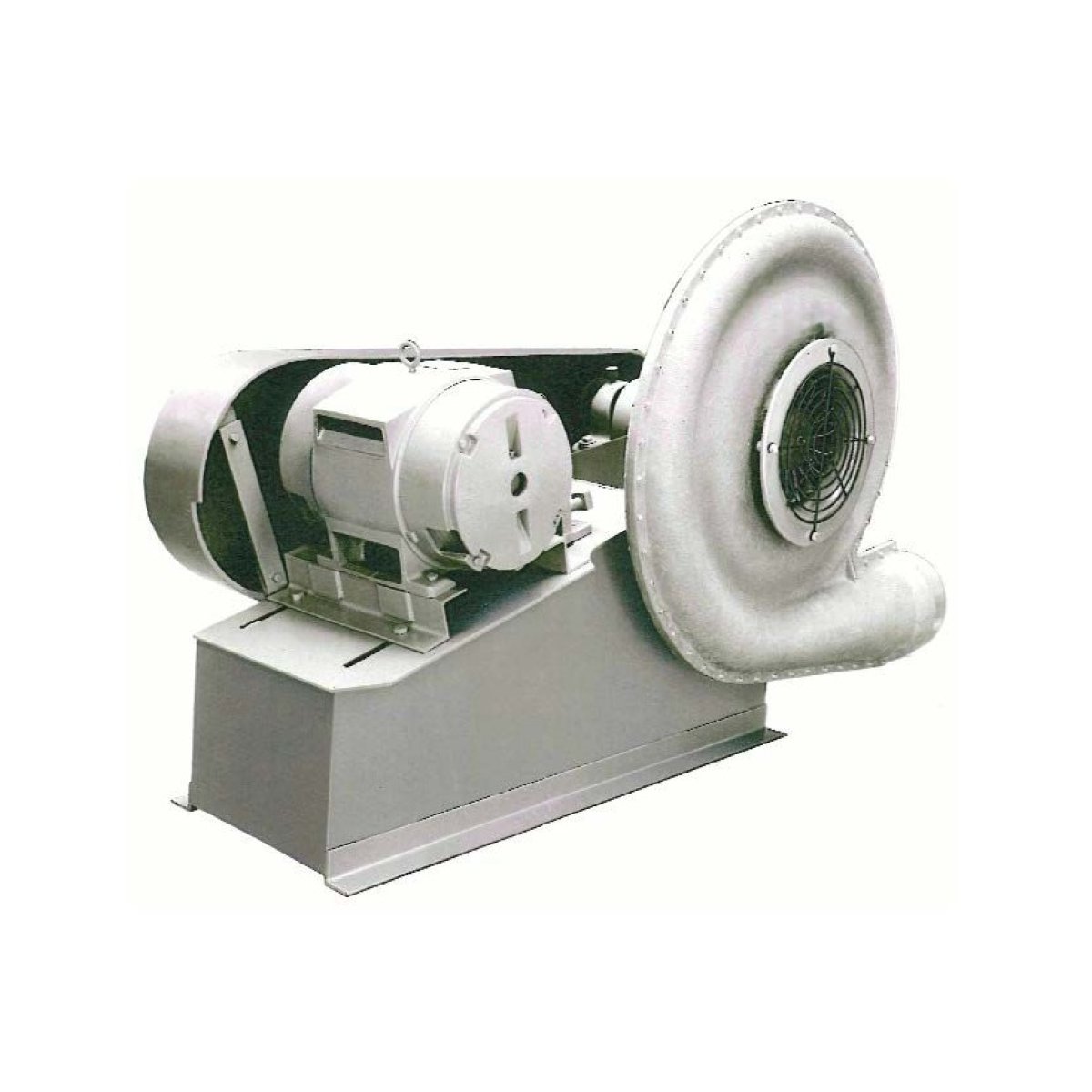
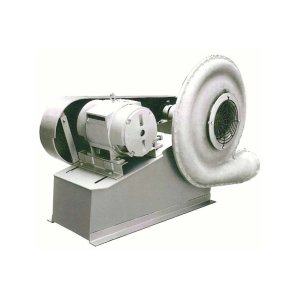
Fan & Blower
The mechanical assembly that physically pushes air through the system.
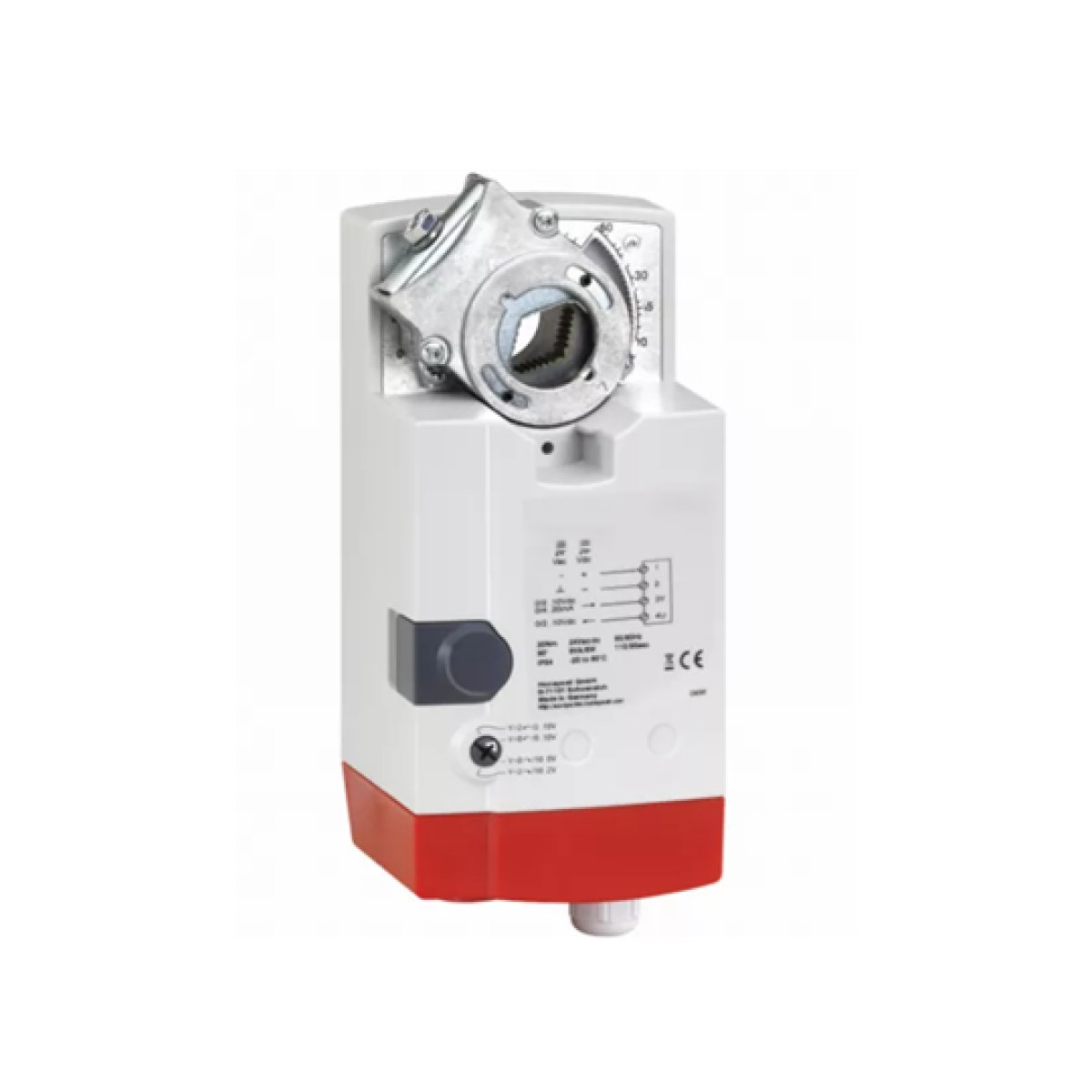
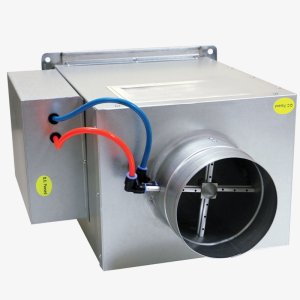
Motorized Damper
An automated valve inside ducts that opens or closes to regulate airflow.
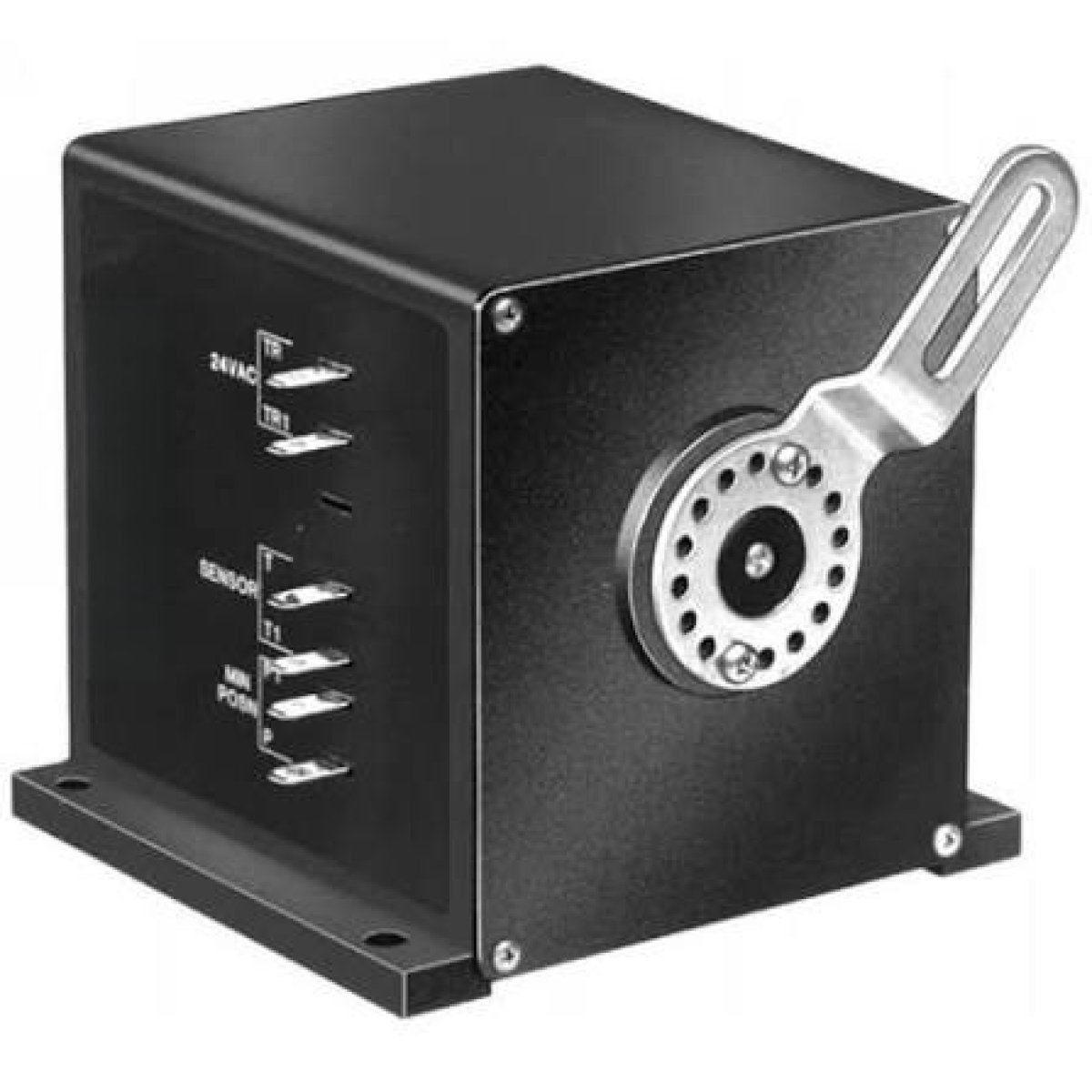
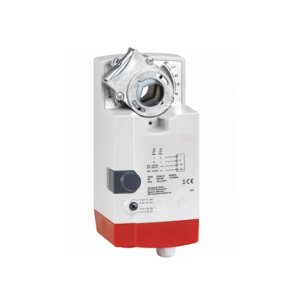
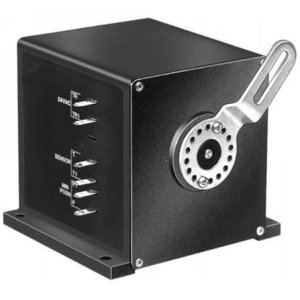
Actuator
The motorized drive that physically moves and positions dampers or valves.
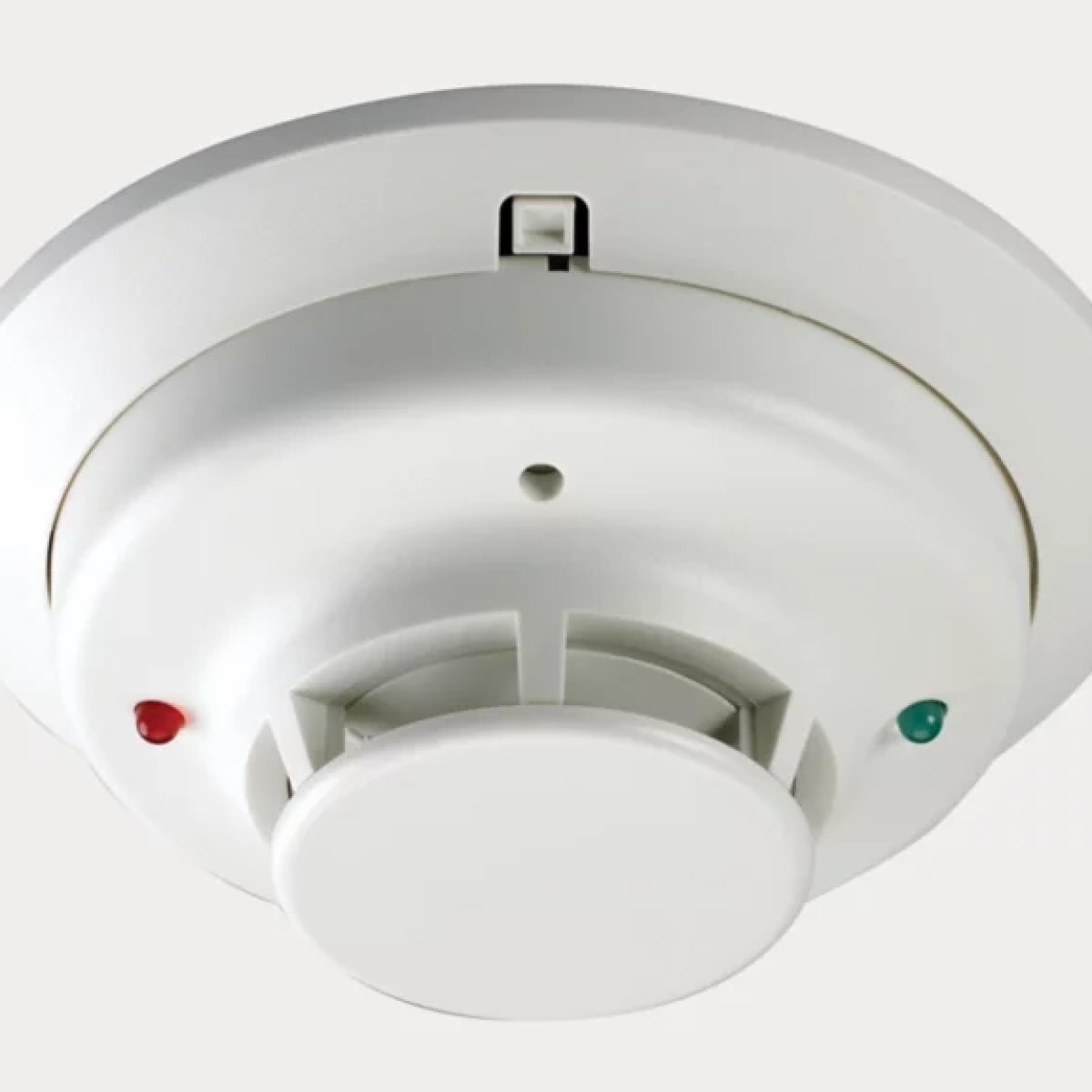
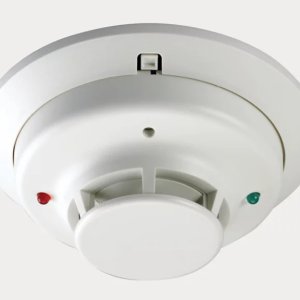
Smoke Detector
A safety sensor that triggers alarms or shutdowns if smoke is detected.
Valves
Valve are motorized, electronically controlled valves that regulate the flow of hot or chilled water throughout a building.
Air Handling Unit (AHU)
The AHU is a large
metal box containing a blower, heating or cooling elements, filter racks, and
dampers. It takes in outside air and indoor return air, conditions it to the
desired temperature and humidity, and then forces it through the ductwork to
distribute it throughout the building.
Thermostat
The thermostat acts as the primary interface between the user and the HVAC
system. It senses the ambient room temperature and allows users to input their
desired setpoints, sending signals to the controller to turn heating or cooling
on or off.
Temperature Sensor
Unlike a
thermostat on a wall, these dedicated sensors are placed inside ductwork,
pipes, or specific equipment. They provide continuous thermal data to the
controller so the system can monitor how well the heating or cooling coils are
performing.
Humidity Sensor
Also known as a
humidistat or hygrometer, this sensor monitors relative humidity. If the air is
too dry or too damp, it signals the controller to activate humidifiers or
adjust cooling cycles to dehumidify the space for occupant comfort and mold
prevention.
Pressure Sensor
These sensors
detect static or differential pressure. In ductwork, they ensure the fan isn't
over-pressurizing the system. They are also vital across air filters; a sudden
drop in pressure indicates a clogged filter that needs replacement.
Remote Sensors
These are
auxiliary sensors placed away from the main control units—often outdoors or
deep within specific zones—to give the master controller a more accurate,
comprehensive picture of environmental conditions affecting the building.
Control Panel
The control panel
acts as the physical cabinet that centralizes circuit breakers, relays, power
supplies, and terminal blocks. It organizes the complex wiring and protects
sensitive electronic control components from dust and damage.
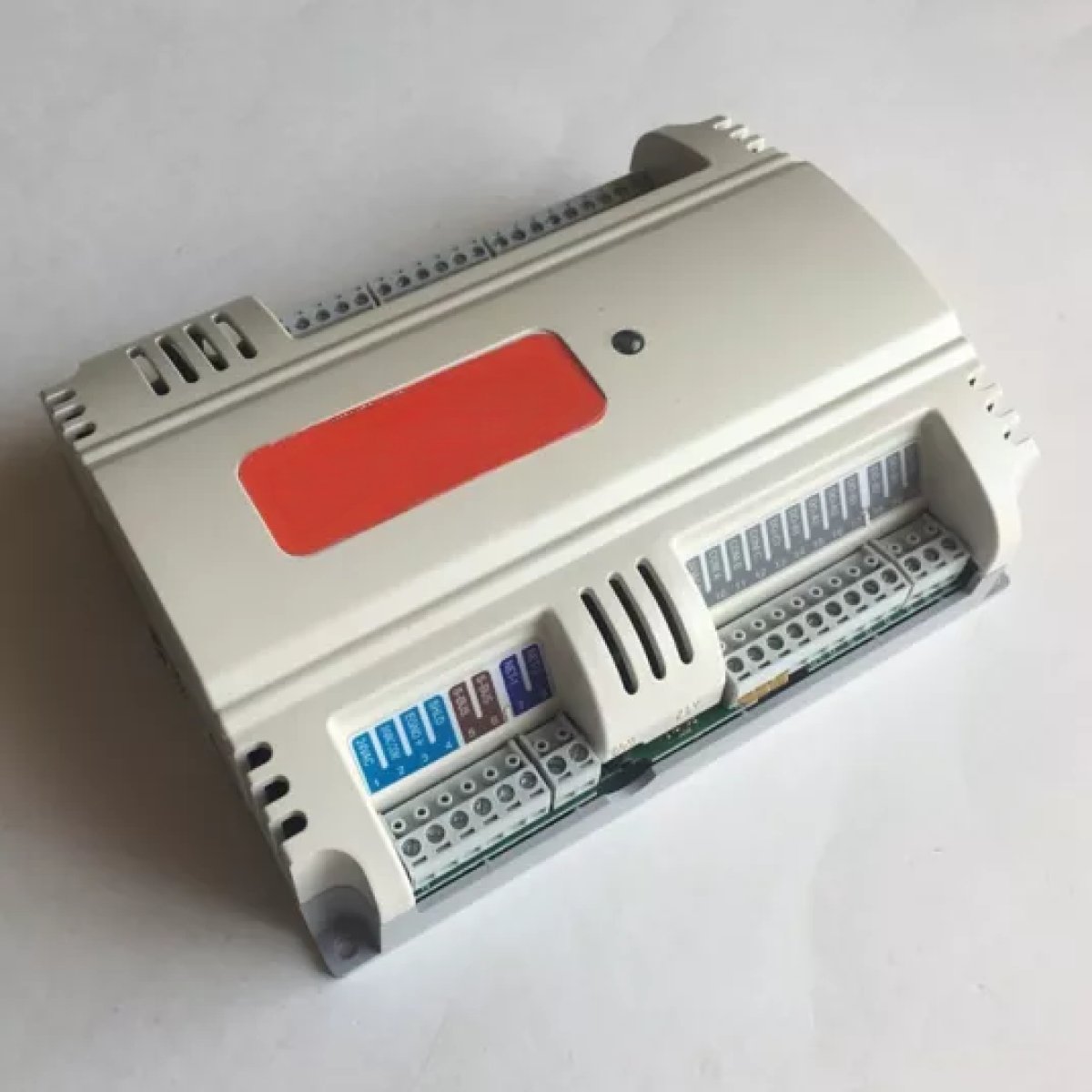
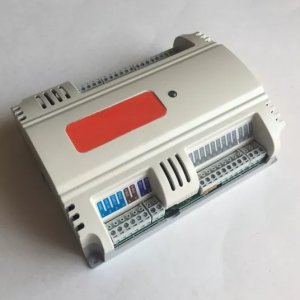
Controller
The controller is
a programmable microprocessor (like a DDC or PLC controller). It receives input
data from all the sensors (temperature, pressure, humidity), processes that
data against user setpoints, and uses programmed logic to send output commands
to mechanical parts like valves, dampers, and fans.
Variable Frequency
Drive (VFD)
A VFD controls the
speed of AC motors (like those on fans and pumps) by adjusting the frequency
and voltage of the electrical power supplied to them. Instead of running a fan
at 100% capacity all day, the VFD slows it down when demand is low, drastically
reducing energy consumption.
Fan & Blower
Driven by an
electric motor, the fan/blower creates the pressure differential needed to pull
stale air out of rooms and force freshly conditioned air through the supply
ducts and into the building spaces.
Motorized Damper
A damper consists
of movable blades inside a duct. When motorized, it can automatically adjust
its position to completely block airflow, let fresh outside air in, or mix
return air with outdoor air to optimize energy efficiency.
Smoke Detector
Installed inside
the return or supply air ducts, duct smoke detectors are critical life-safety
devices. If smoke is detected, they instantly signal the controller to shut
down fans and close specific fire dampers to prevent toxic smoke from being
circulated throughout the building HVAC control equipment.
Valves
Responding
directly to digital commands from a DDC or BMS controller, they precisely
throttle or divert fluid to match the exact heating and cooling demands of the
facility.