
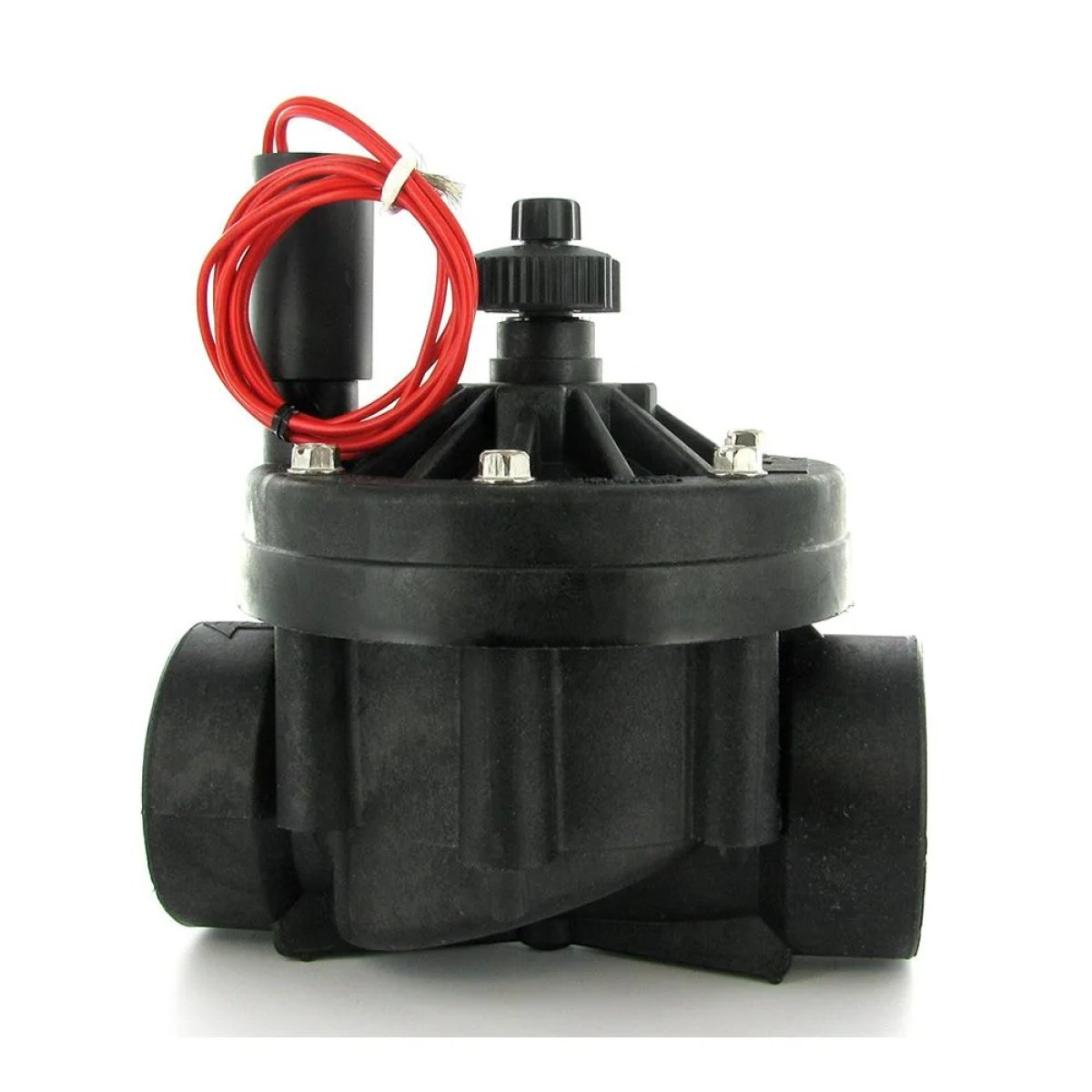
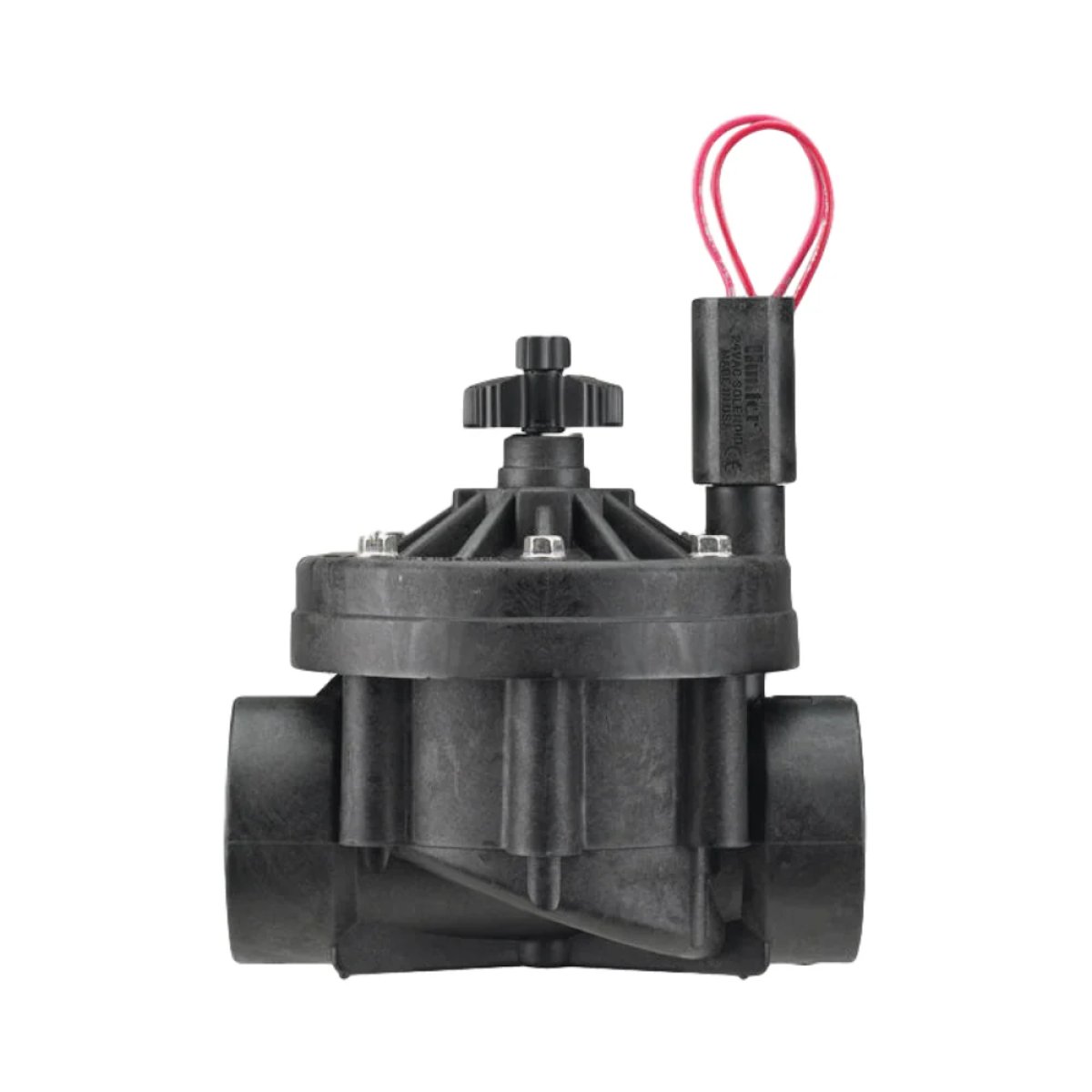
An irrigation sprinkler valve is a control device that regulates water flow to sprinkler systems, allowing automatic or manual operation for efficient irrigation management.
An irrigation sprinkler valve is an essential component of an automatic irrigation system that controls the flow of water to sprinkler zones. It opens and closes the water supply based on system requirements, ensuring proper distribution and efficient watering of lawns, gardens, agricultural fields, and landscaped areas.
These valves are commonly used with irrigation controllers, allowing automated scheduling and zone-based watering. They help deliver the right amount of water to specific areas, reducing water wastage and improving irrigation efficiency.
Irrigation sprinkler valves are available in different types, including solenoid valves, ball valves, gate valves, and pressure-regulating valves. Solenoid valves are widely used in automated systems because they can be electronically controlled through irrigation timers or smart controllers.
Made from durable materials such as PVC, polypropylene, or brass, these valves are designed to withstand continuous water pressure and outdoor environmental conditions. Many models include features such as flow control, pressure regulation, and debris resistance for reliable performance.
Proper installation and regular maintenance of sprinkler valves help prevent leaks, ensure consistent water flow, and extend the lifespan of the irrigation system.
Overall, an irrigation sprinkler valve is a crucial control component that improves automation, water efficiency, and performance in modern irrigation systems.