
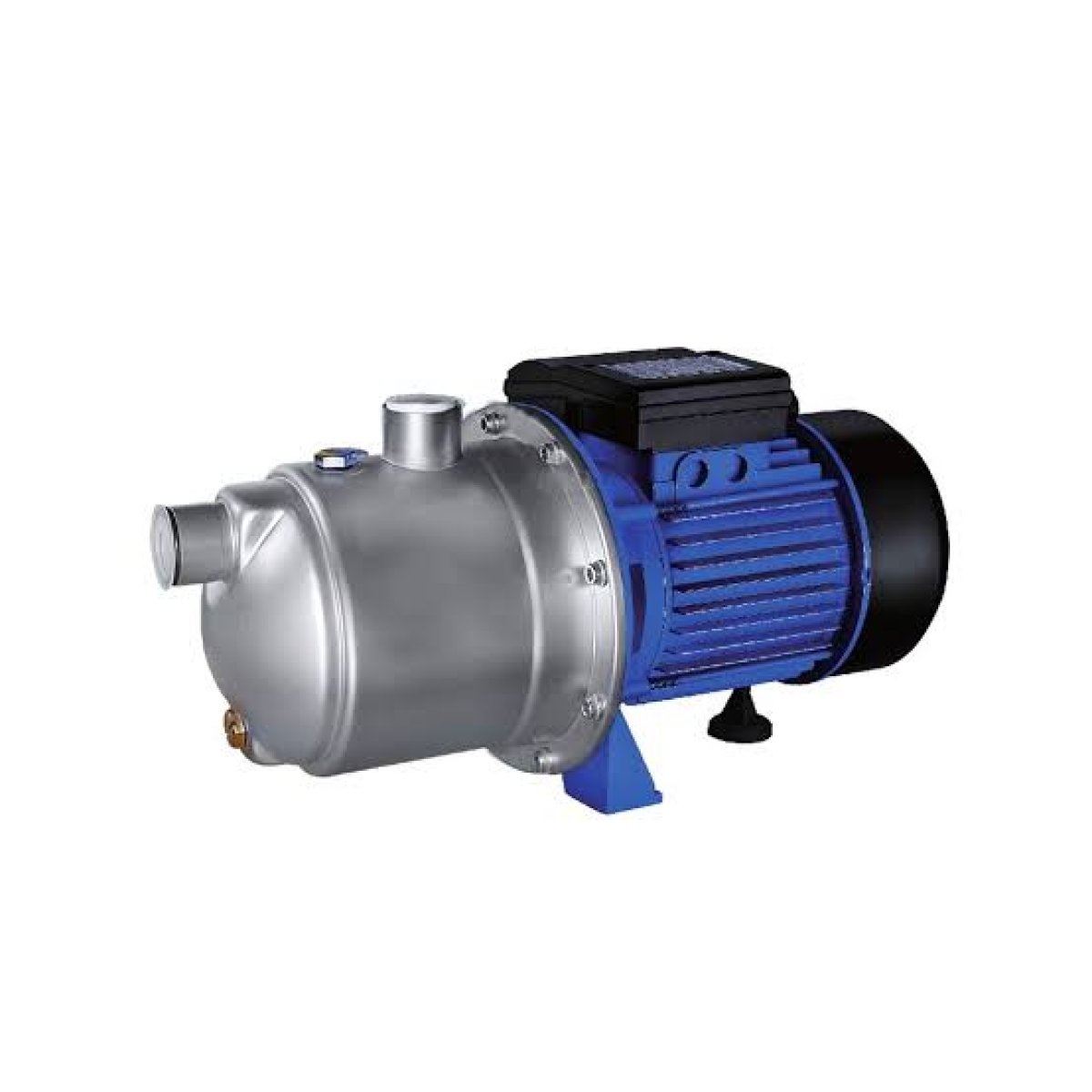
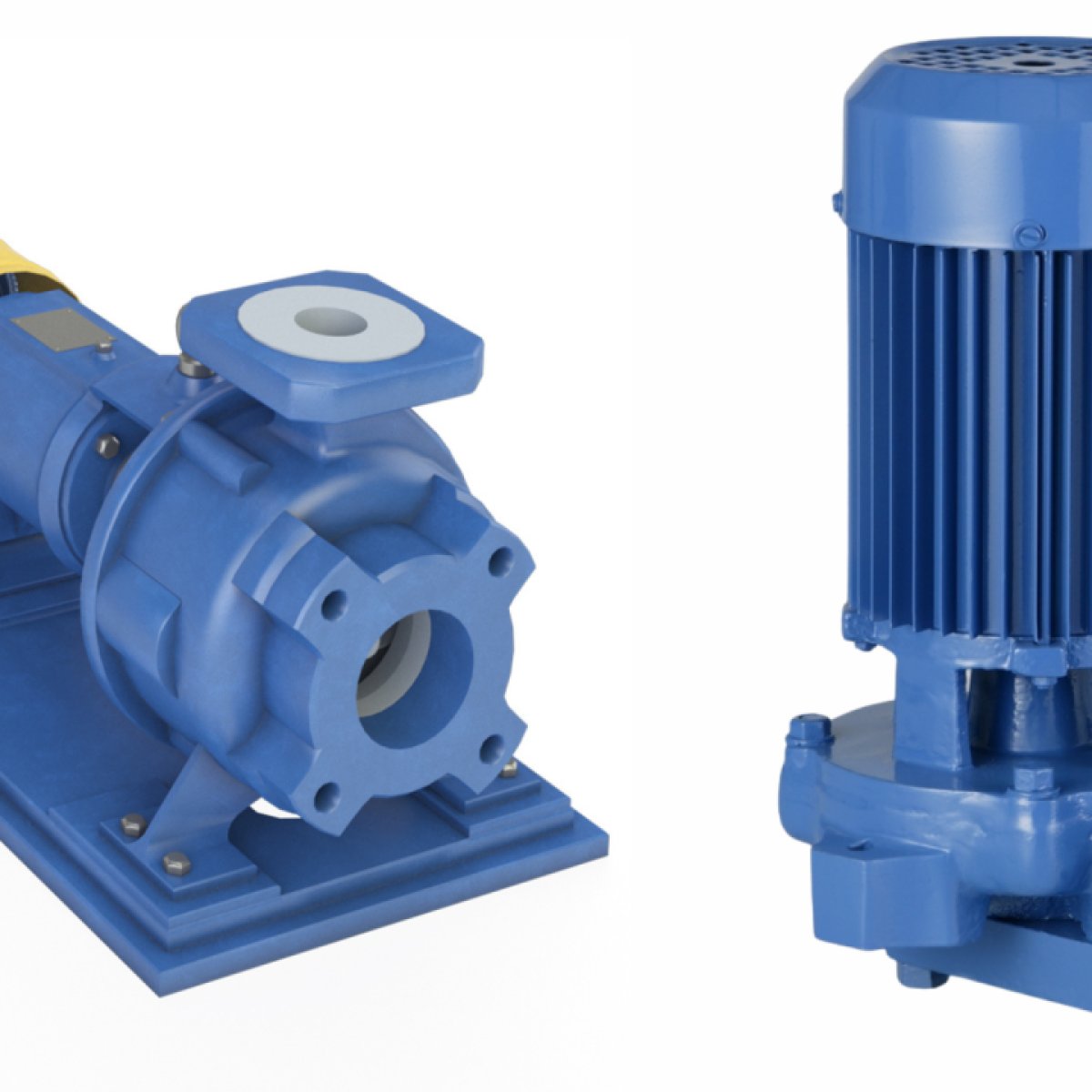
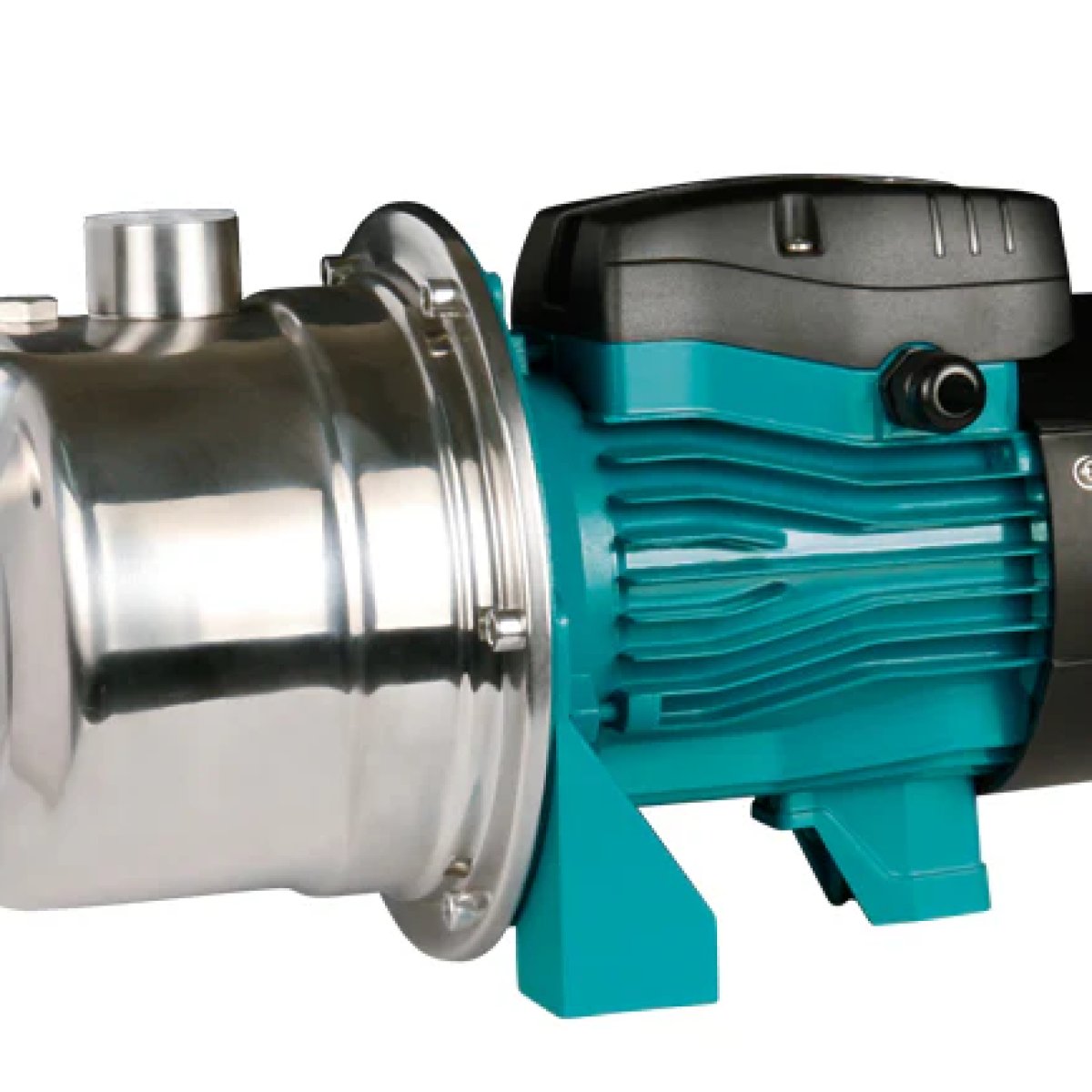
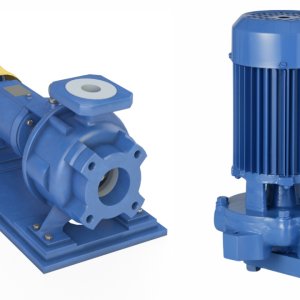
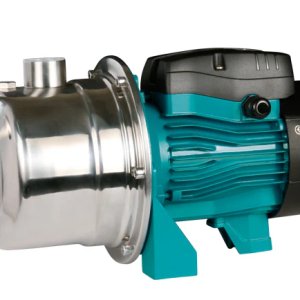
A Jet Pump is a surface-mounted, non-submersible suction pump that utilizes a combination of standard centrifugal force and a venturi-driven nozzle assembly to draw water from subterranean sources. Positioned entirely above ground, it functions by recirculating a portion of its discharged water through a restrictive nozzle to create a high-velocity jet stream. This jet stream creates a localized vacuum that forces surrounding well water into the pump casing, allowing it to lift fluids from depths that exceed standard vacuum suction limits.
1. System Architecture & The Venturi Effect
Unlike standard centrifugal pumps that rely purely on a rotating impeller to pull liquid up an open pipe, a jet pump utilizes fluid dynamics to amplify its suction capabilities. The core mechanism is the Jet Ejector Assembly, which houses a narrow nozzle and a expanding venturi tube.
The Venturi Principle: The pump's electric motor drives an internal impeller. While some of the pressurized water is discharged out into the building's plumbing system, a designated portion is redirected downward back into the well through a pressure pipe leading directly to the jet nozzle.
The Pressure-to-Velocity Conversion: As this recirculated water is forced through the tight nozzle orifice, its physical velocity spikes dramatically while its pressure drops proportionately (governed by Bernoulli's Principle):
Vacuum Generation: This high-velocity jet stream shoots across a small gap into the expanding venturi tube. The hyper-fast stream creates a powerful localized vacuum in the mixing chamber. This pressure differential forces low-pressure standing water from the surrounding well aquifer into the assembly, where it is swept up by the high-velocity stream and driven back up the suction pipe into the main pump impeller housing.
2. Core Configurations: Shallow Well vs. Deep Well Systems
Jet pumps are classified into two structural types based on the physical placement of the jet ejector assembly relative to the water table.
Shallow Well Jet Pumps
Designed for water tables situated close to the surface, typically up to a maximum depth of 7 to 8.5 meters (25 feet).
Architecture: The jet ejector assembly (nozzle and venturi) is built directly inside the cast-iron pump housing on the surface. A single suction pipe drops down into the well water.
Deep Well Jet Pumps (Convertible)
Engineered to extract water from depths down to 25 to 35 meters (80 to 110 feet).
Architecture: To bypass atmospheric suction limits, the jet ejector assembly is unbolted from the surface pump body, lowered completely down into the well shaft, and submerged deep below the water line.
The Twin-Pipe Pipeline: This configuration requires two parallel pipes running down the well: a Pressure Pipe (which delivers the high-pressure drive water from the surface down to the submerged nozzle) and a Suction Pipe (which carries both the drive water and the newly captured well water back up to the surface impeller).
3. Operational Advantages, Limitations, and The Priming Factor
Jet pumps represent a specific engineering compromise between low-cost accessibility and raw mechanical output.
Operating Metric Jet Pump (Surface Mounted)Submersible Pump (Submerged)Maintenance Accessibility High. All electrical and rotating mechanical parts sit above ground, making inspection simple. Low. Must be pulled hundreds of feet out of a well shaft to service.
Mechanical Efficiency Moderate-Low. Consumes significant energy continuously recirculating "drive water. "High. Pushes water upward efficiently without loop recirculation.
Risk of Cavitation High. Vulnerable to air pockets entering the suction line .Zero. Operating under constant positive hydrostatic head pressure. The Critical Importance of Priming The single most critical operational constraint of a jet pump is its dependence on Priming. Before a surface jet pump can be turned on for the first time or restarted after a power loss, the pump casing and the entire down-well suction pipeline must be completely manually filled with water, and all air must be bled from the line.
If the pump runs dry or draws in air pockets, the water loop is broken instantly. Without a solid volume of water to recirculate through the venturi nozzle, the high-velocity jet stream collapses, the vacuum vanishes, and the pump will run dry indefinitely, causing rapid friction-induced overheating and total thermal destruction of the internal plastic impellers and mechanical shaft seals. To prevent back-draining when the motor turns off, a specialized one-way Foot Valve is installed at the absolute bottom of the well suction line.