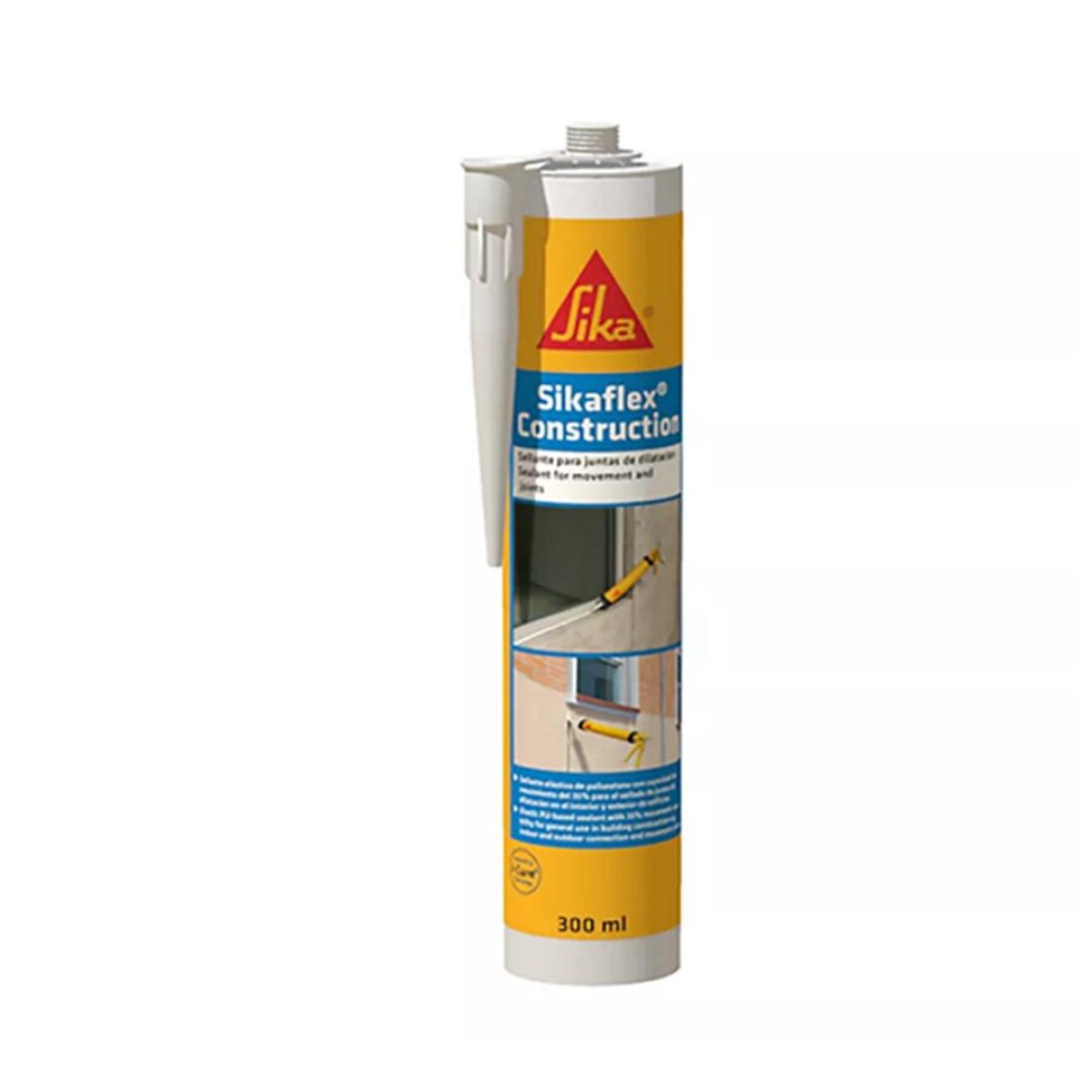
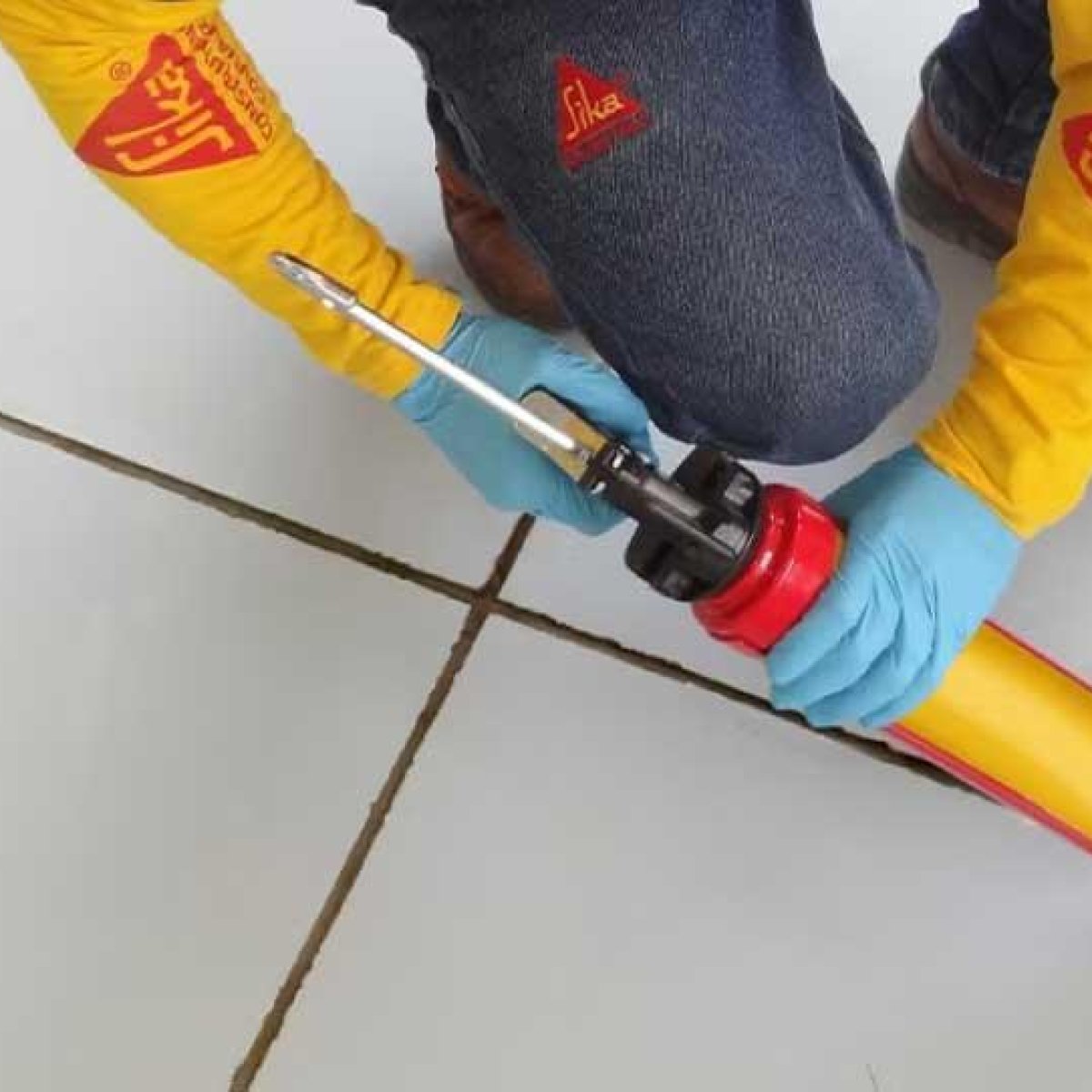
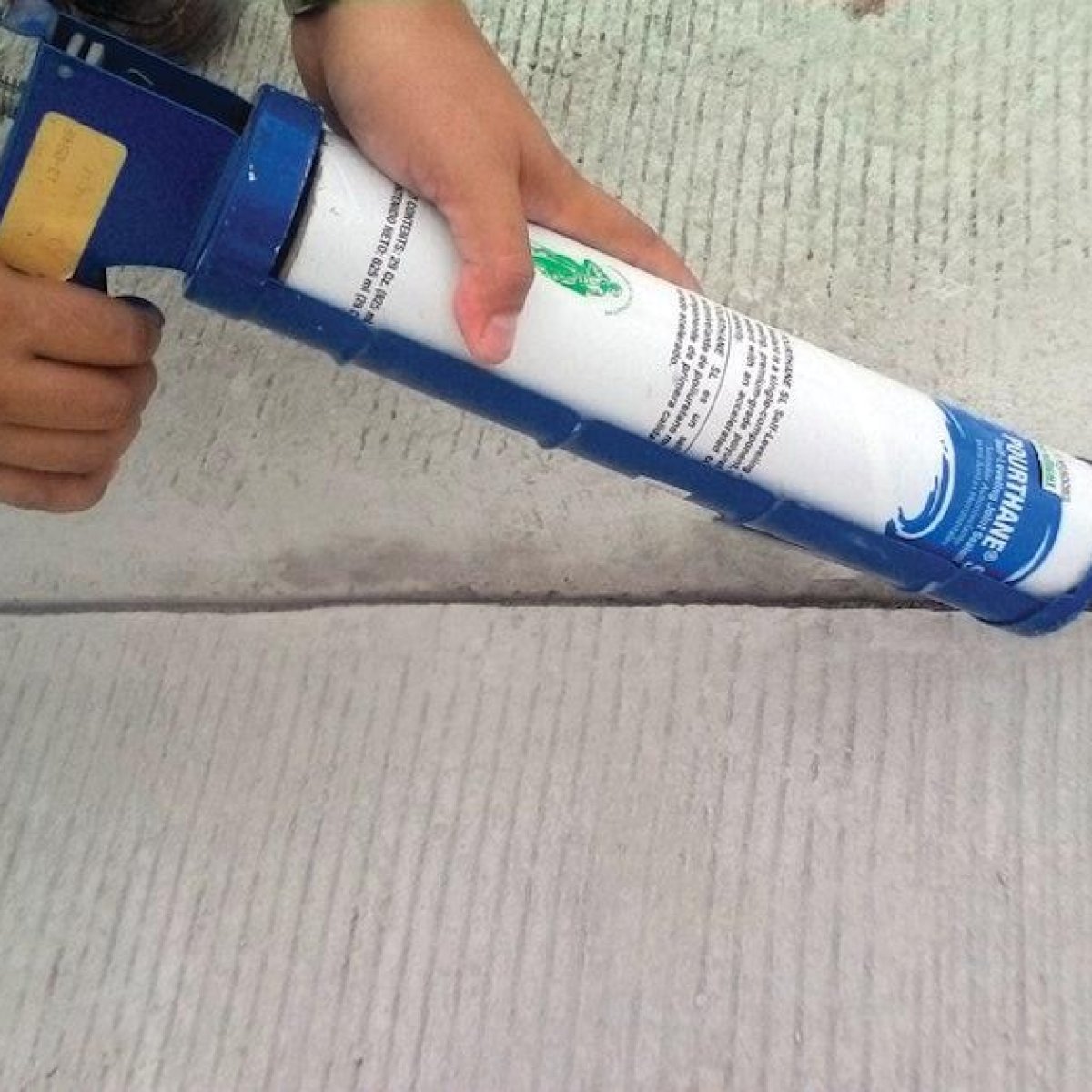
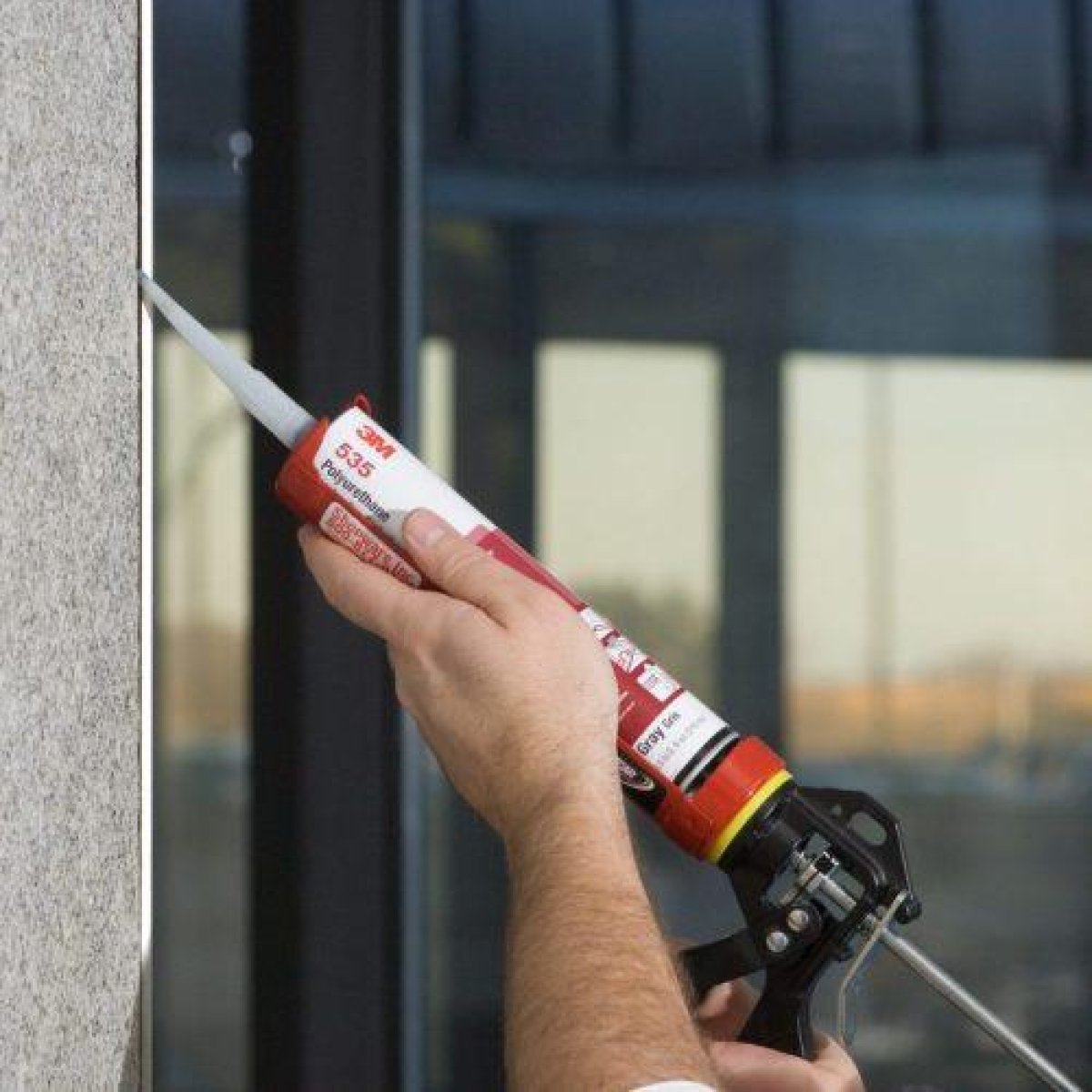
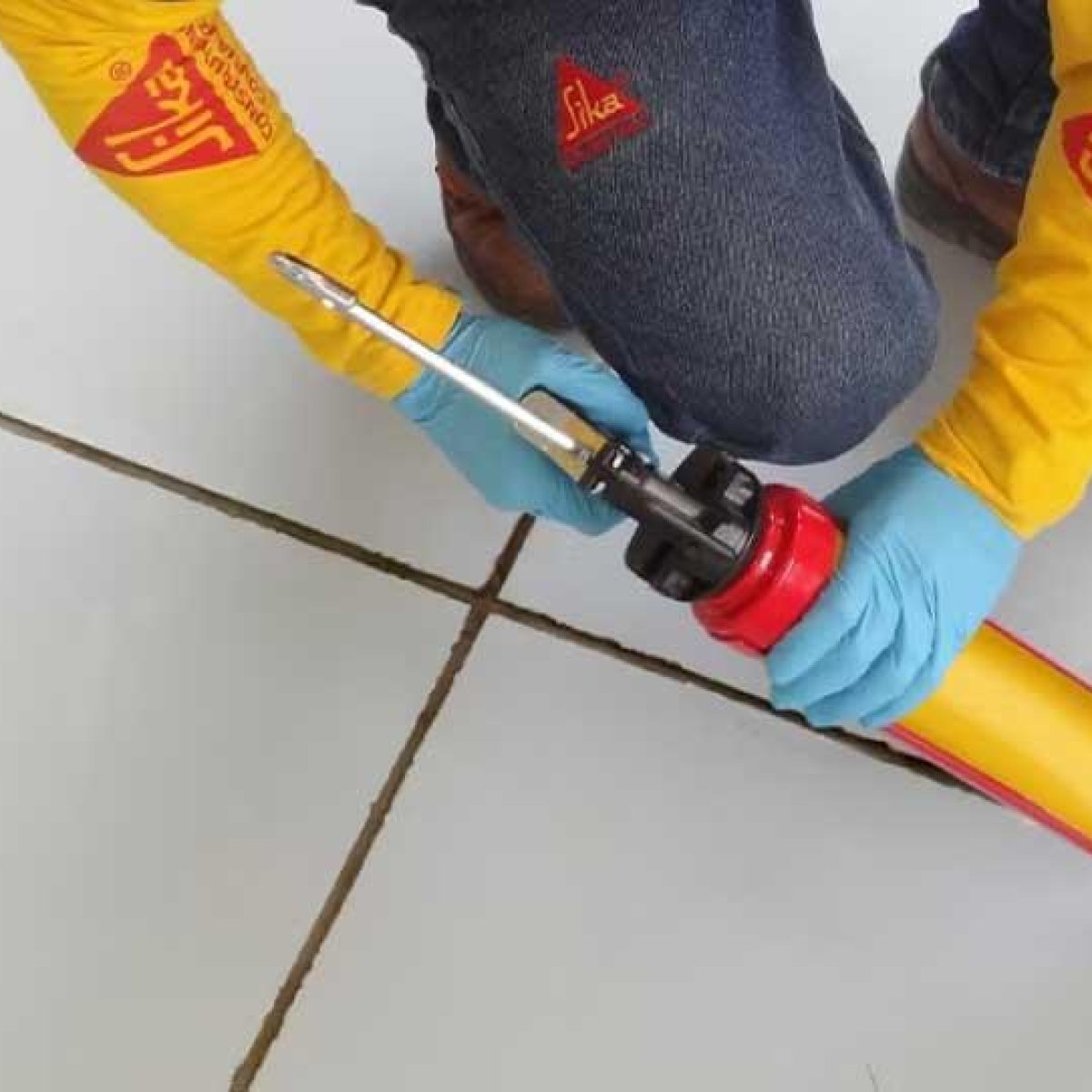
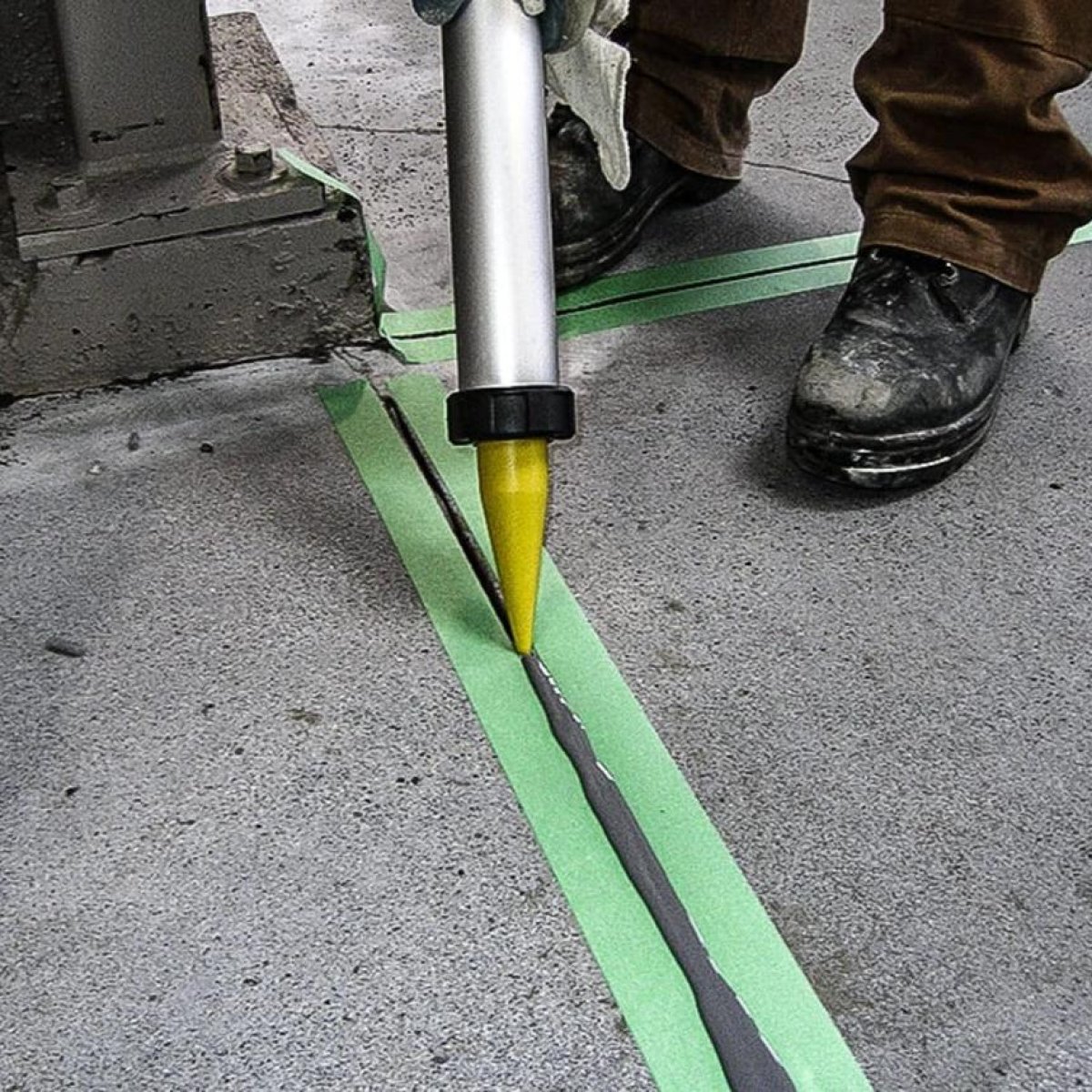
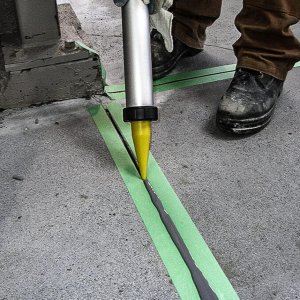
Joint Sealant is a flexible sealing material used to fill and protect joints, gaps, and cracks in buildings, preventing the entry of water, air, dust, and moisture while allowing movement between building materials.
Joint sealants are applied to expansion joints, control joints, window and door frames, concrete panels, and other construction joints. They remain flexible after curing, accommodating expansion and contraction caused by temperature changes, vibration, and structural movement. Common sealant materials include silicone, polyurethane, acrylic, and polysulfide.
Common Types
-
Silicone Sealant – Excellent weather resistance; ideal for glass, aluminum, kitchens, and bathrooms.
-
Polyurethane (PU) Sealant – High flexibility and strong adhesion for concrete, masonry, and expansion joints.
-
Acrylic Sealant – Paintable and suitable for interior gaps and cracks.
-
Polysulfide Sealant – Highly resistant to chemicals, water, and fuels; used in industrial and marine applications.
-
Hybrid Polymer (MS Polymer) Sealant – Combines strong adhesion, flexibility, and weather resistance with low odor.
Common Features
-
Flexible after curing
-
Excellent adhesion to various building materials
-
Water- and weather-resistant
-
Accommodates joint movement
-
Helps prevent air and moisture leakage
-
Available in cartridges, sausages, and bulk packaging
Typical Applications
-
Expansion and control joints
-
Concrete and masonry joints
-
Window and door frame sealing
-
Curtain wall joints
-
Bathroom and kitchen sealing
-
Roof and façade joints
-
Floor and pavement joints
Advantages
-
Prevents water and air infiltration
-
Protects joints from dust and moisture
-
Reduces the risk of cracks and leaks
-
Improves building durability
-
Accommodates structural movement
-
Extends the service life of construction joints