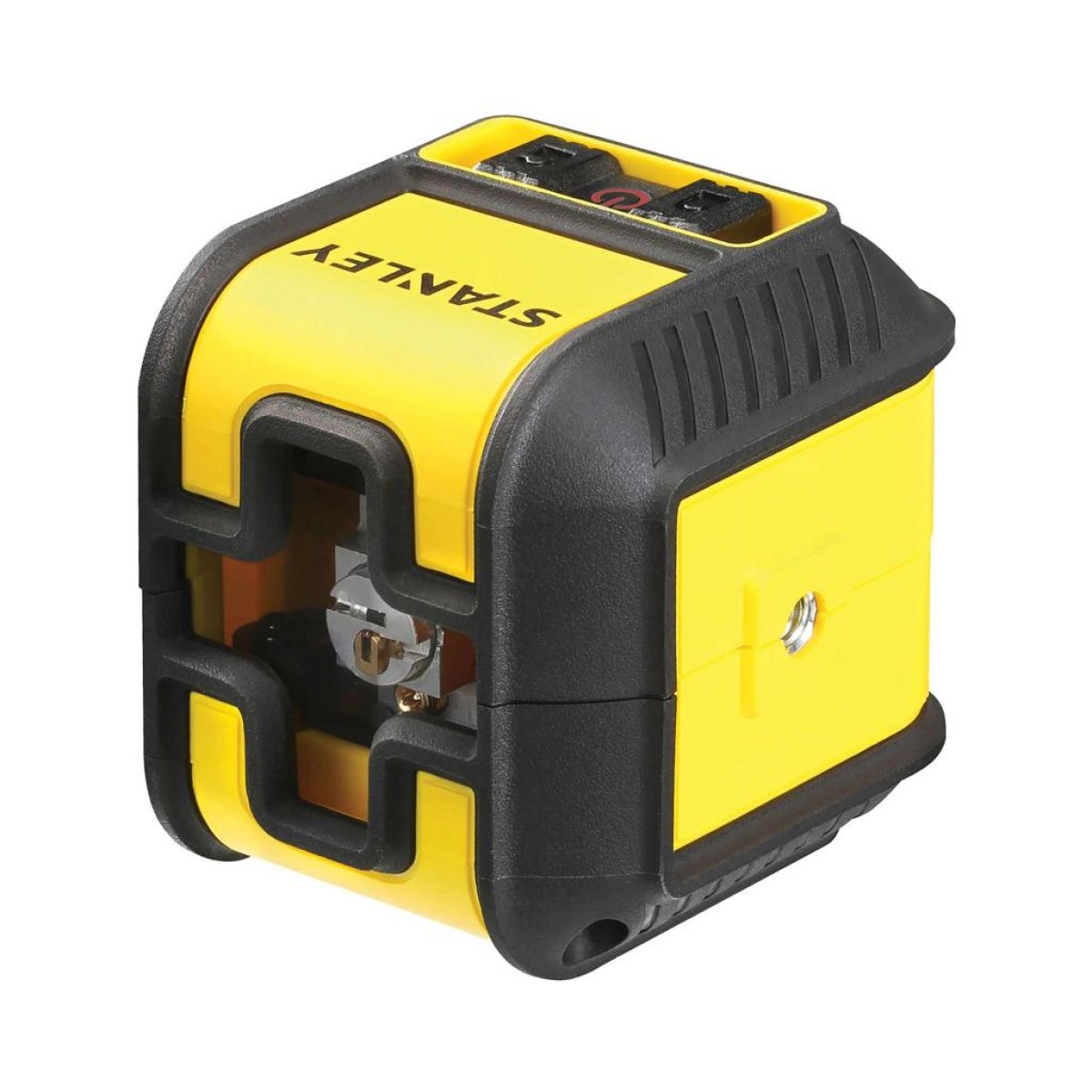
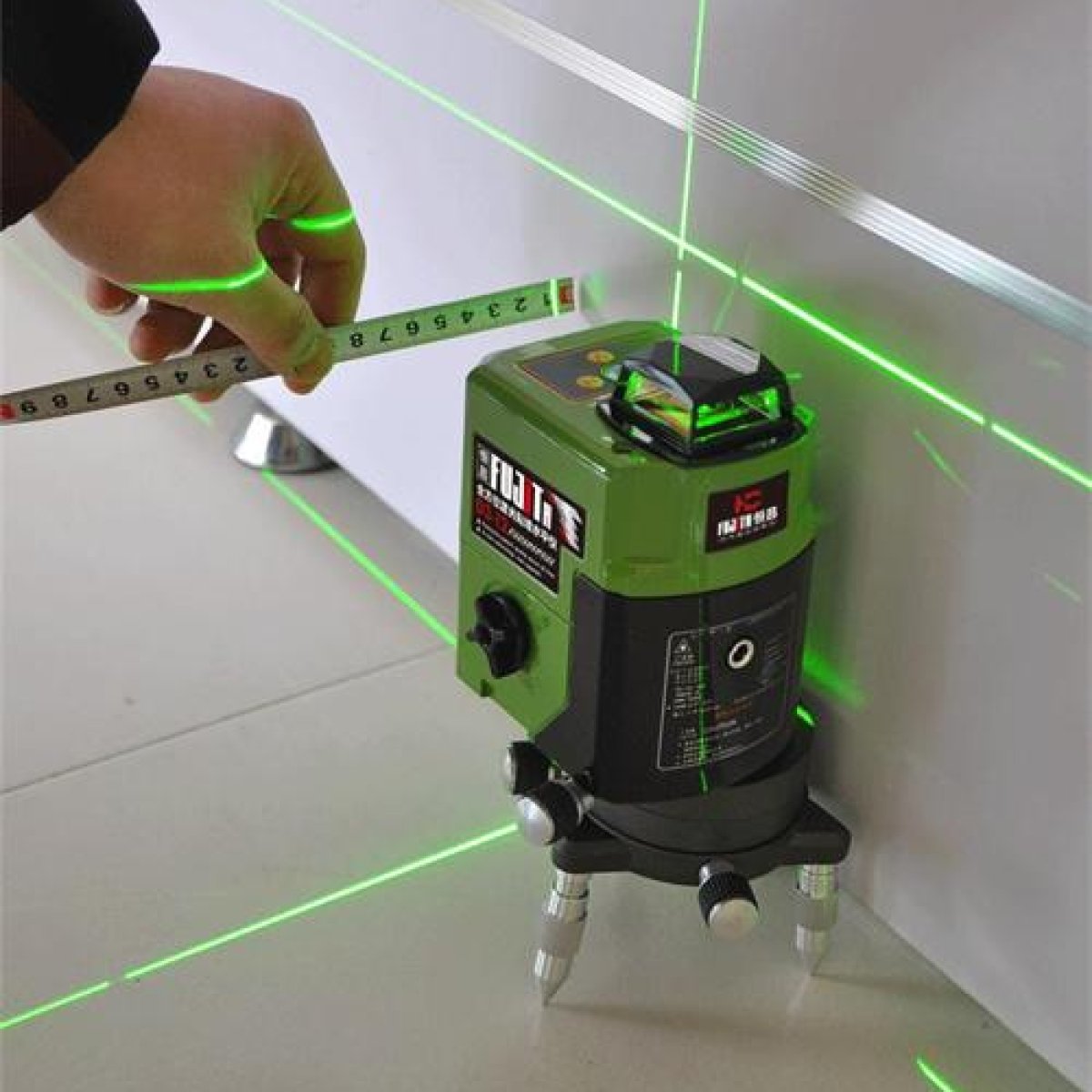
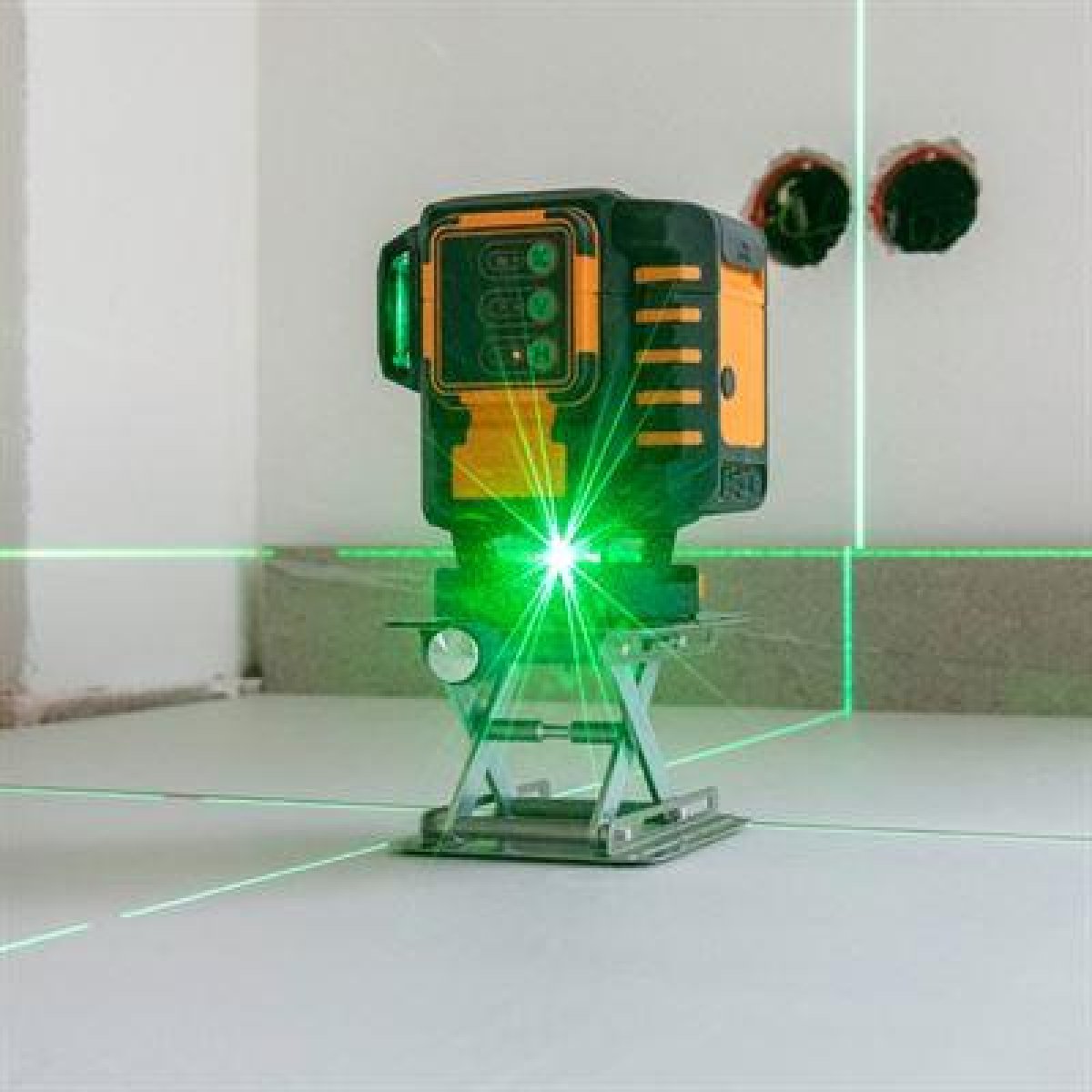
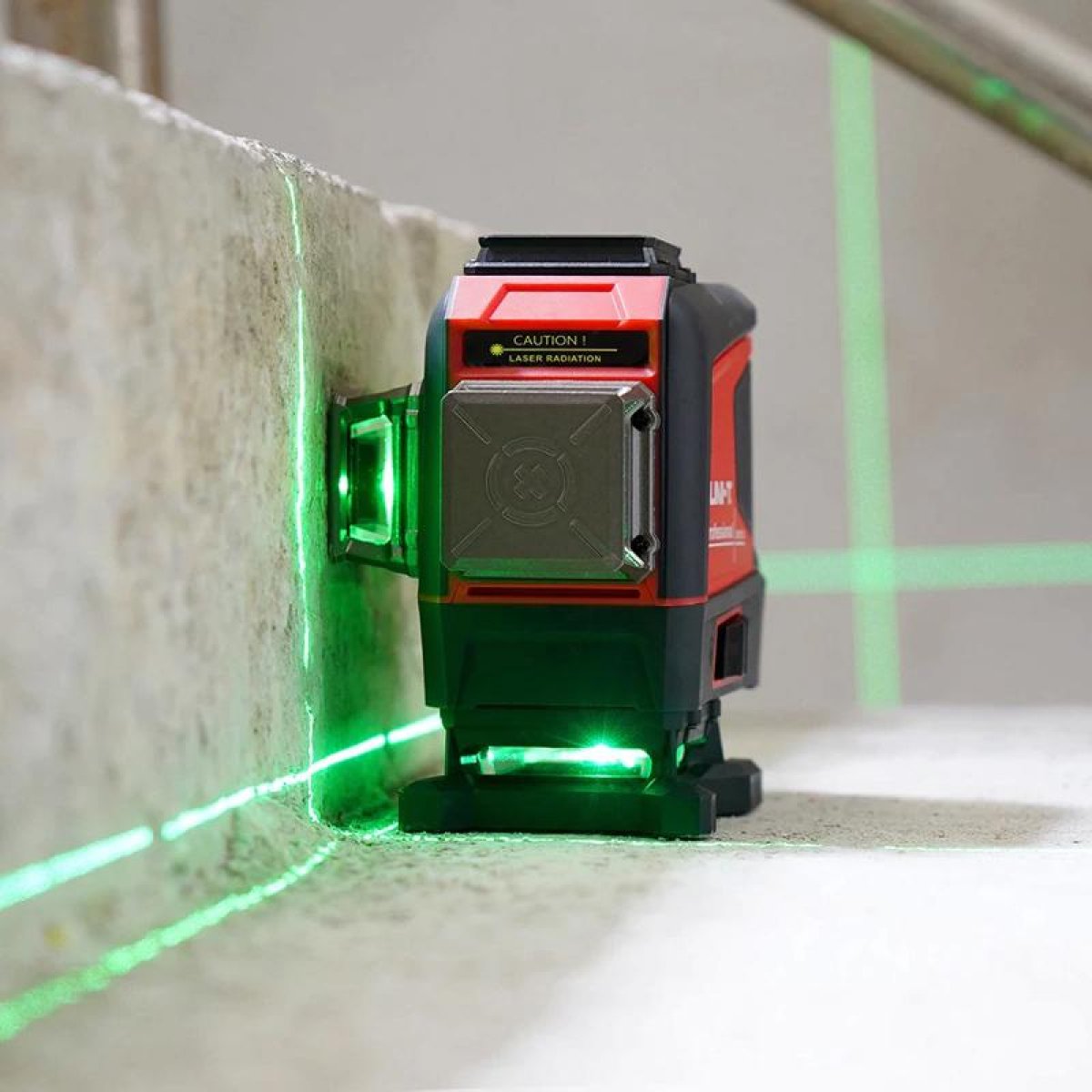
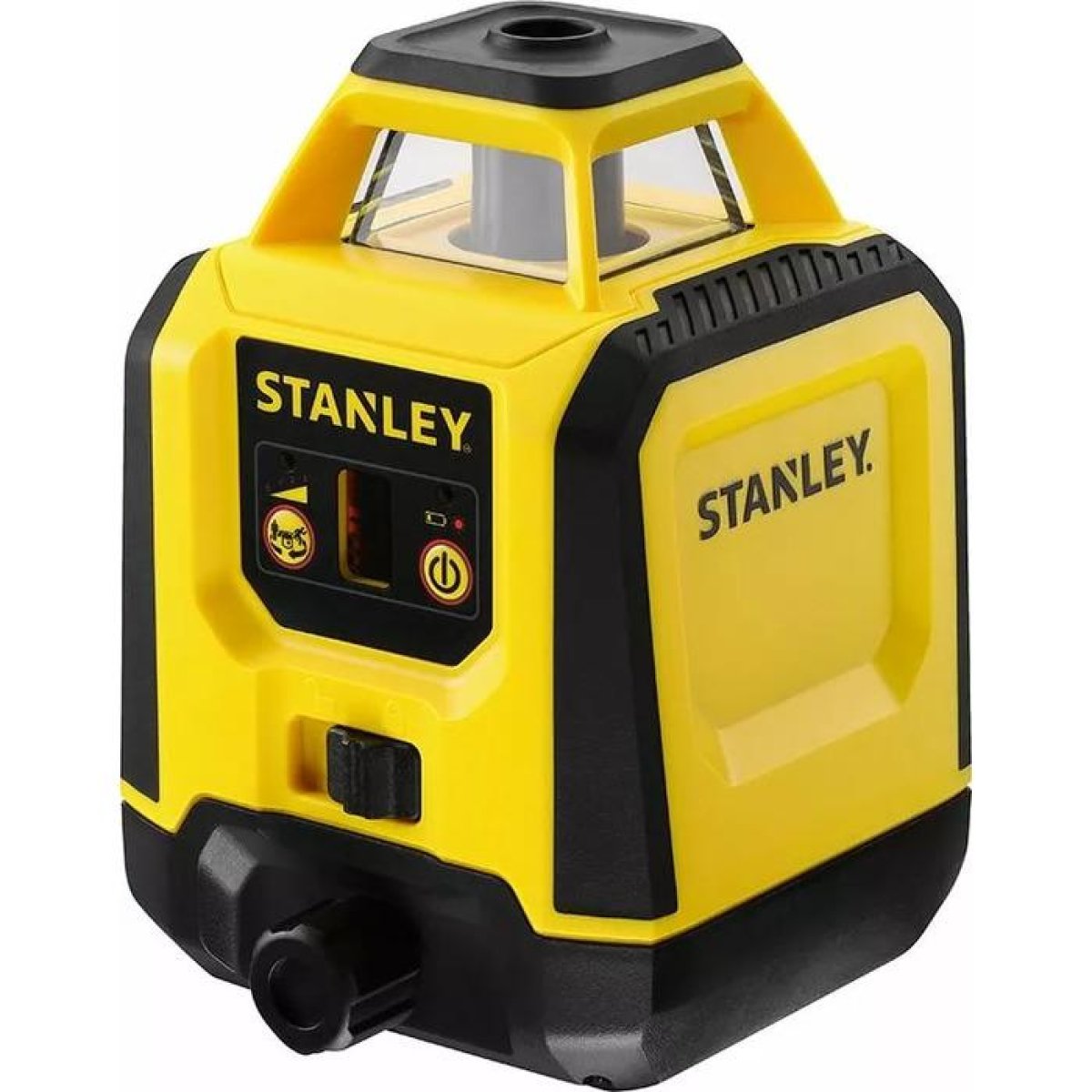
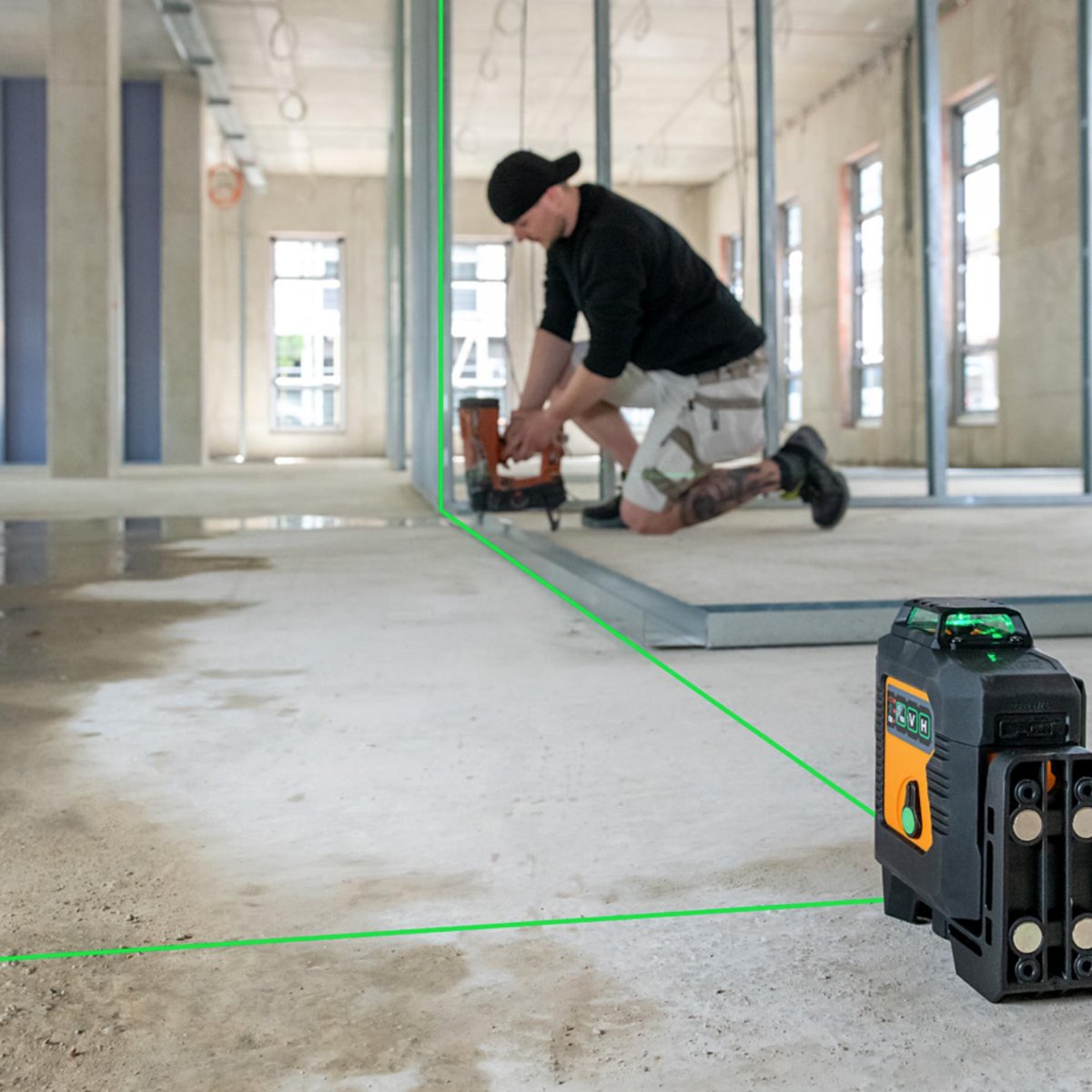
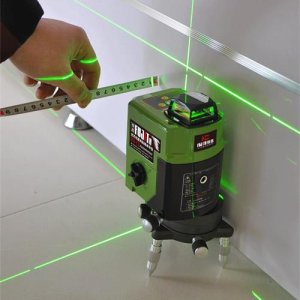
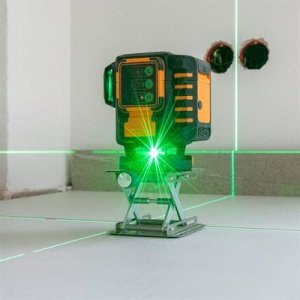
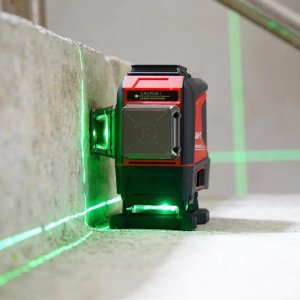
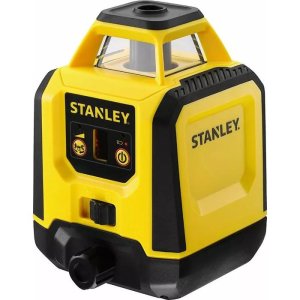
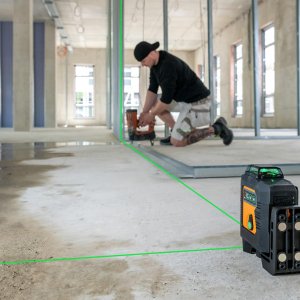
A laser level is widely used by contractors, carpenters, painters, electricians, plumbers, and DIY users to create accurate horizontal, vertical, or cross-reference lines. Most modern laser levels are self-leveling, making layout work faster and more precise than traditional spirit levels.Common Features
-
Self-leveling function
-
Horizontal, vertical, or cross-line projection
-
Green or red laser beam
-
360° laser coverage (on some models)
-
Indoor and outdoor operation
-
Tripod mounting thread
-
Adjustable brightness modes
-
Dust- and water-resistant housing (IP-rated on many models)
Common Uses
-
Hanging pictures, shelves, and cabinets
-
Installing ceiling grids
-
Wall and floor tile alignment
-
Painting and wallpaper layout
-
Door and window installation
-
Electrical and plumbing alignment
-
Framing and partition layout
-
General construction and renovation
Advantages
-
High measurement accuracy
-
Faster setup than traditional levels
-
Self-leveling reduces user error
-
Improves installation quality
-
Suitable for long-distance alignment
-
Saves time and labor
Common Types
-
Cross-Line Laser Level
-
Line Laser Level
-
Rotary Laser Level
-
Dot Laser Level
-
360° Laser Level
-
Combination Laser Level
Typical Specifications
FeatureDescriptionTool TypeMeasuring & Alignment ToolLaser ColorRed or GreenAccuracy±2–3 mm at 10 m (typical)Working Range10–50 m (up to 100 m+ with a detector)LevelingSelf-Leveling or ManualMounting1/4" or 5/8" Tripod ThreadPower SourceAA Batteries or Rechargeable Lithium Battery
Typical Applications
-
Carpentry
-
Painting
-
Interior finishing
-
Tiling
-
Drywall installation
-
Electrical work
-
Plumbing
-
Ceiling installation
-
Construction layout
A laser level is an essential measuring tool for achieving precise alignment and professional-quality results in construction, remodeling, and installation projects.