
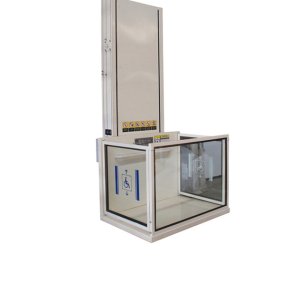
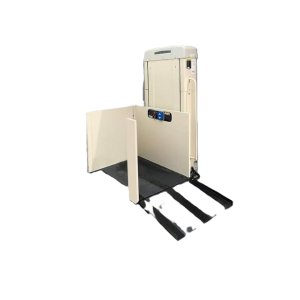
A Platform (Wheelchair) Lift—technically known as a Vertical Platform Lift (VPL) or Inclined Platform Lift (IPL)—is a specialized accessibility solution engineered to transport individuals with mobility impairments, particularly those utilizing wheelchairs or mobility scooters, between different architectural levels. Designed to bridge barriers where traditional ramps are geometrically impossible or standard passenger elevators are structurally impractical, these lifts prioritize universal access compliance, ease of independent operation, and strict safety interlocking.
1. Primary Structural Configurations
Platform lifts are divided into two main physical profiles based on the architectural layout of the barrier they are designed to bypass.
Vertical Platform Lifts (VPL)
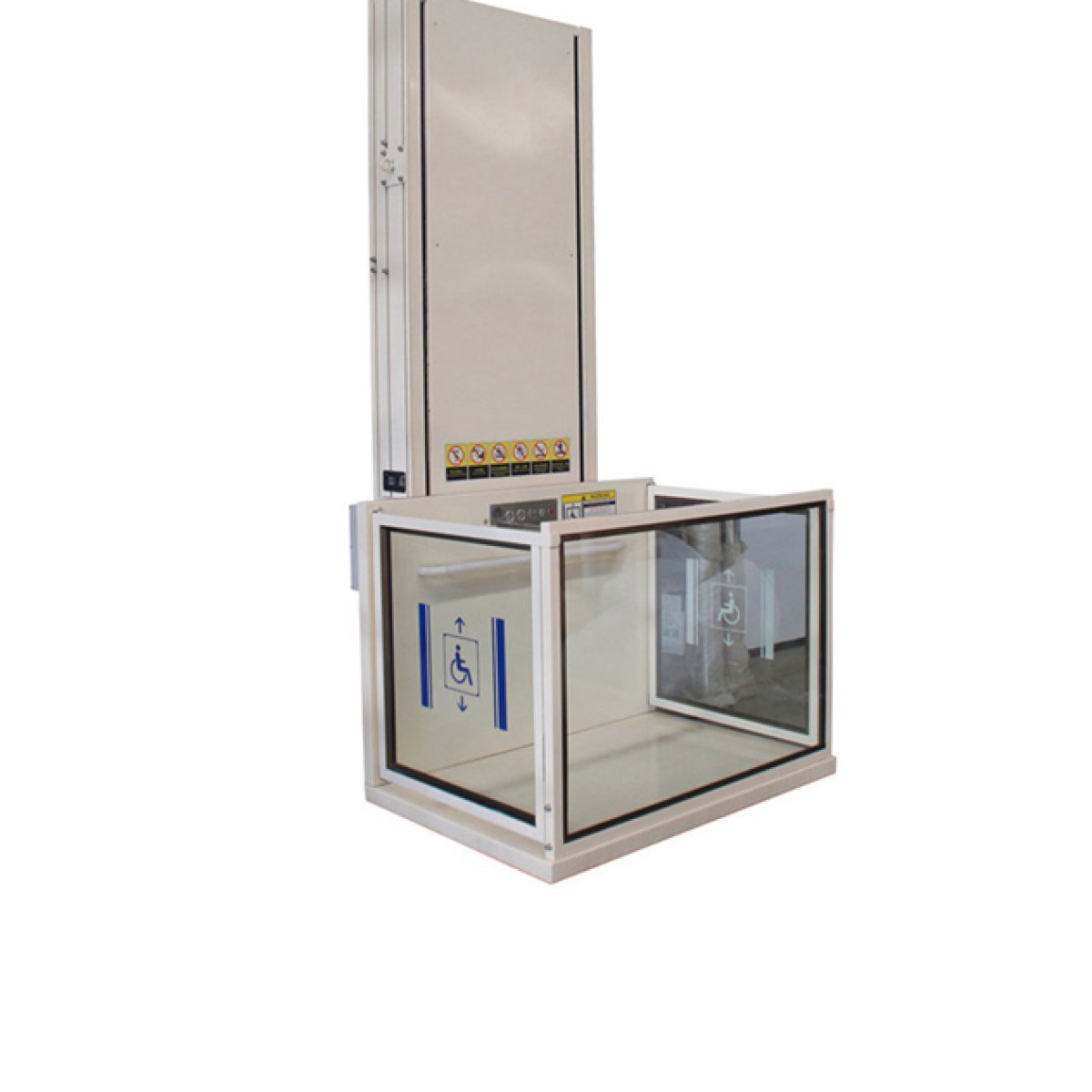
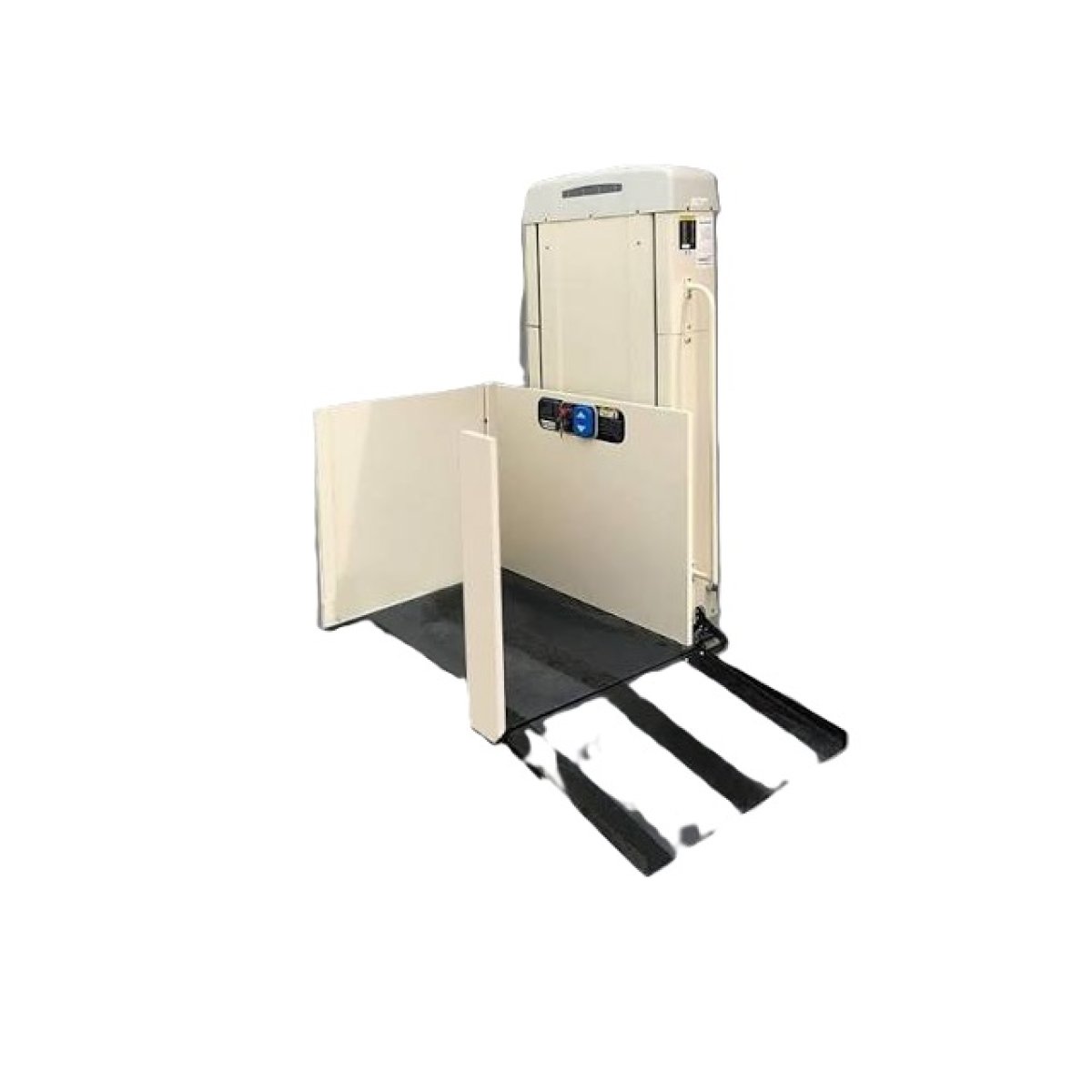
Commonly referred to as porch lifts, these operate similarly to a miniature elevator, moving a flat platform straight up and down on a vertical guide mast.
Travel Range: Typically engineered for short-to-medium vertical rises, ranging from 0.5 meters to 4.2 meters ($2\text{ to }14\text{ feet}$).
Enclosure Types: They can be open-platform (for short residential porch rises), enclosed inside a weatherproof factory-built shaft, or installed inside a standard concrete structural hoistway inside a public building to meet commercial accessibility codes.
Inclined Platform Lifts (IPL)
Designed for accessibility across existing staircases without altering the structural building frame. The platform is mounted to a tracking system that follows the precise angle and pitch of the stairs.
Travel Range: Can follow straight stair runs or complex, custom-engineered curved staircases with mid-travel landings.
Space Optimization: The platform features a motorized folding mechanism. When not in use, the platform folds flat against the wall or guide rail, leaving the staircase completely clear for standard foot traffic.
2. Mechanical Propulsion Systems
Because platform lifts handle a wide range of indoor and outdoor environments, their drive mechanisms are engineered for high reliability, minimal maintenance, and consistent weight capacities (typically ranging from 250 kg to 350 kg / 550 lbs to 750 lbs).
ACme Screw-Driven System: A highly reliable mechanical design where an electric motor spins a long, vertical steel threaded Acme screw. A high-strength brass safety nut attached to the lift platform moves up or down along the threads as the screw rotates. This system is inherently self-locking; if power is completely lost, the physical threads prevent the lift from slipping or falling, ensuring absolute mechanical safety without complex braking systems.
Hydraulic Drive System: Utilizes a fluid-filled cylinder and an electric pump to lift the platform smoothly and quietly. Preferred for high-use commercial applications or longer vertical rises due to its whisper-quiet operation and fluid ride quality.
Chain-Drive Network: Utilizes a heavy-duty dual aircraft chain system driven by a geared motor to pull the platform along the guide rails, commonly used in enclosed vertical lifts and residential outdoor models.
3. Safety Controls & Accessibility Compliance
Platform lifts are strictly regulated by accessibility standards (such as ASME A18.1 in North America or EN 81-41 in Europe) to guarantee that individuals with limited mobility can operate them safely and completely unassisted.
Constant-Pressure Controls: To maintain active safety monitoring, the control buttons (both on the platform and at the landing stations) require continuous manual pressure to move the lift. If the user releases the button or loses their grip, the lift halts instantly, preventing pinning or crush accidents.
Safety Underpan Sensors: The bottom of an open vertical platform is entirely lined with a highly sensitive mechanical pressure plate or electronic light array. If a pet, child, or dropped object is beneath the lift while it is descending, the slightest upward pressure on the underpan breaks the safety circuit, halting downward travel immediately to prevent injury.
Motorized Ramps & Safety Flaps: Open platforms feature automatic hinged ramps at the entry threshold. When the lift is on the ground, the ramp drops down to form a smooth transition for a wheelchair. The exact millisecond the lift begins to rise, the ramp rotates upward into a locked vertical position, serving as a solid structural barrier that prevents a wheelchair from rolling off the platform edge mid-travel.
Electromechanical Gate Interlocks: Landing gates or doors are electronically integrated with the drive system. The gate at the upper level remains mechanically locked shut and cannot be opened unless the platform has arrived perfectly level with that floor, preventing accidental falls down an open drop-off.