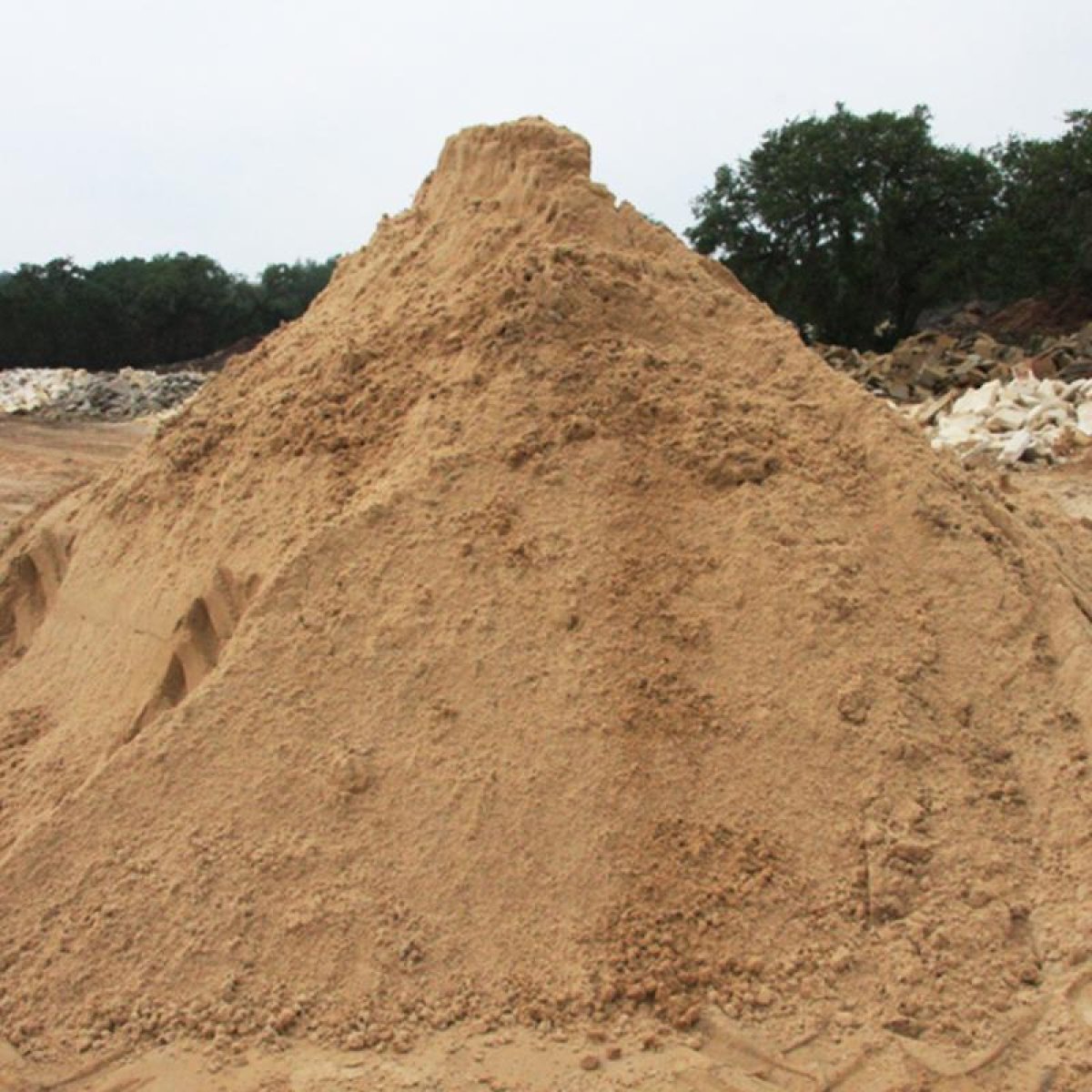
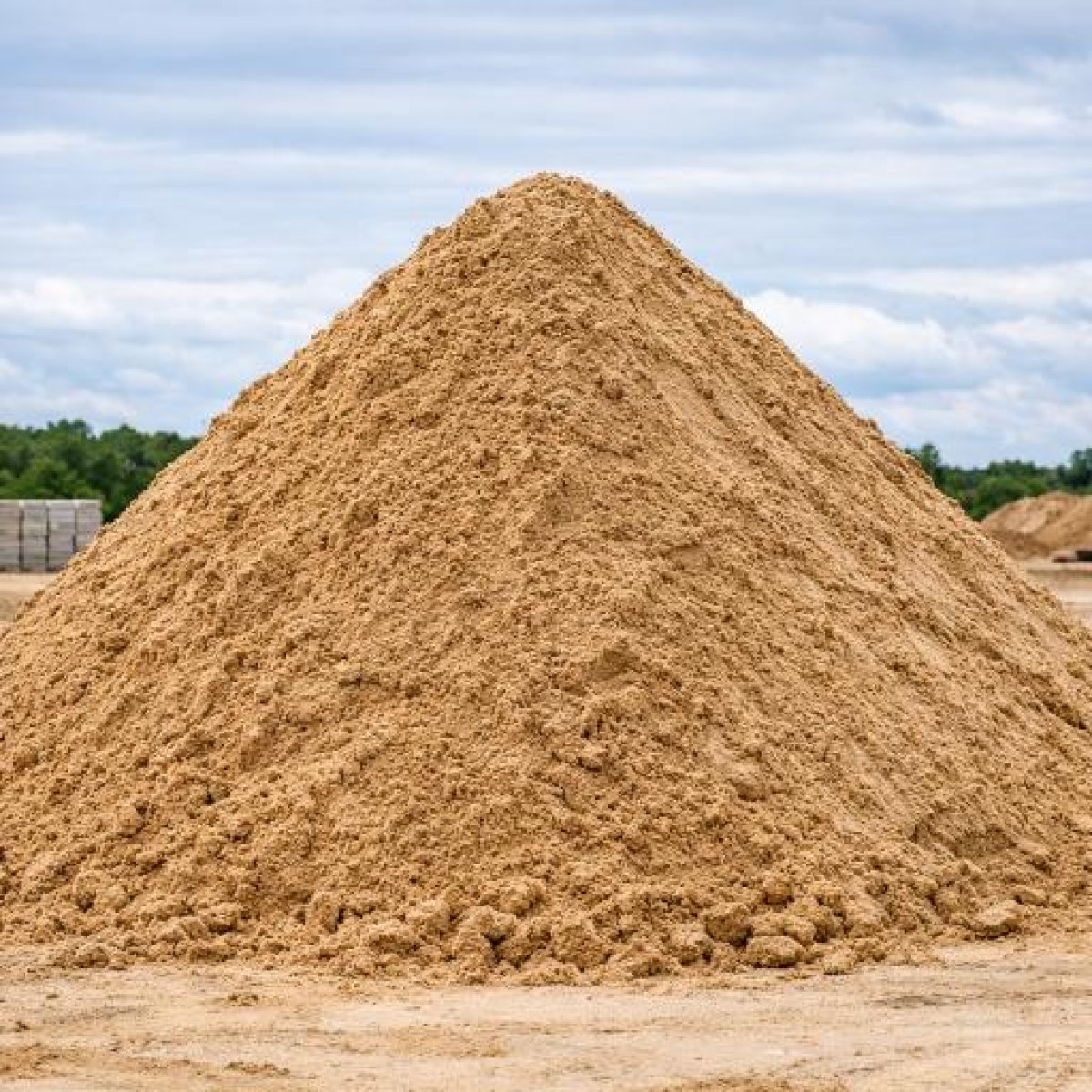
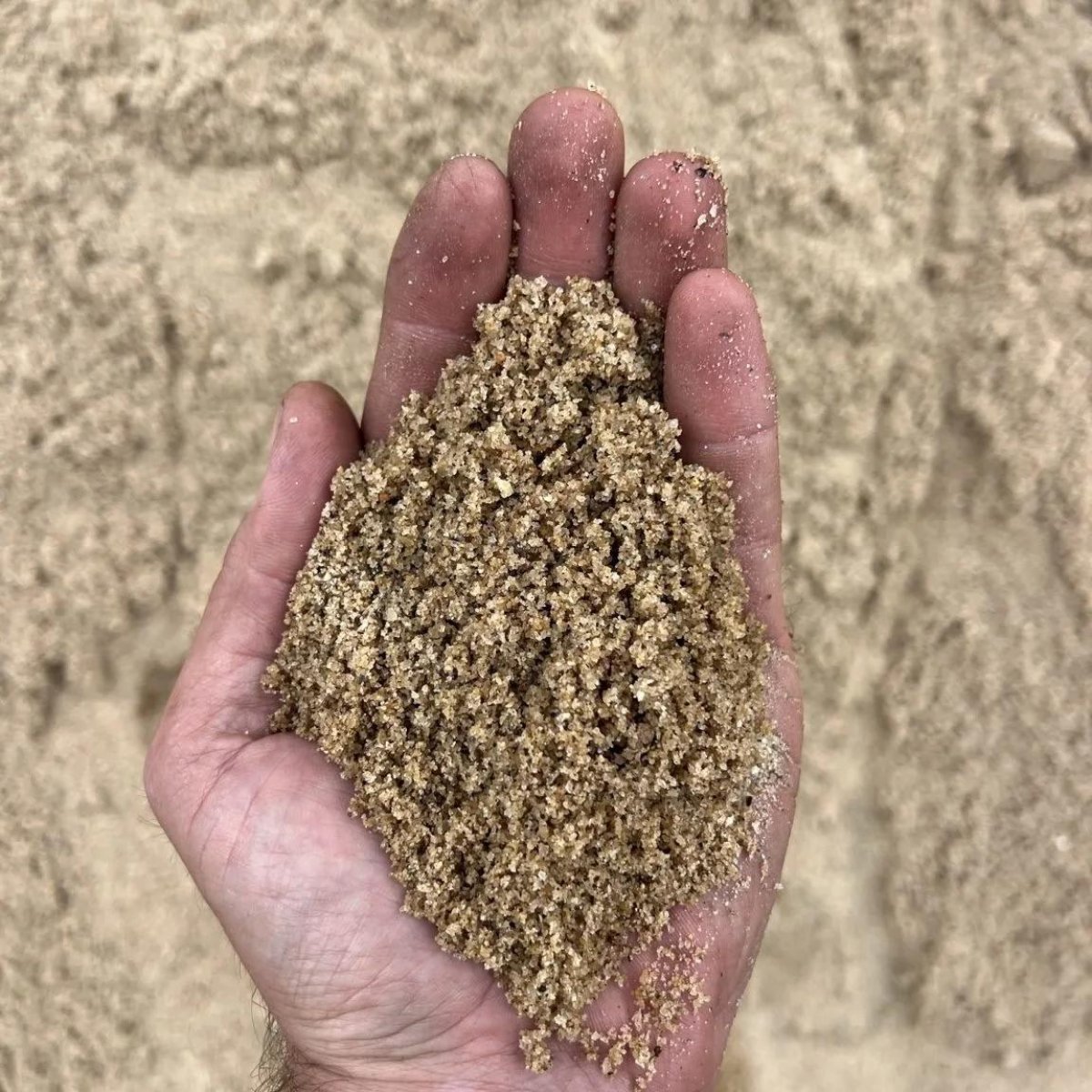
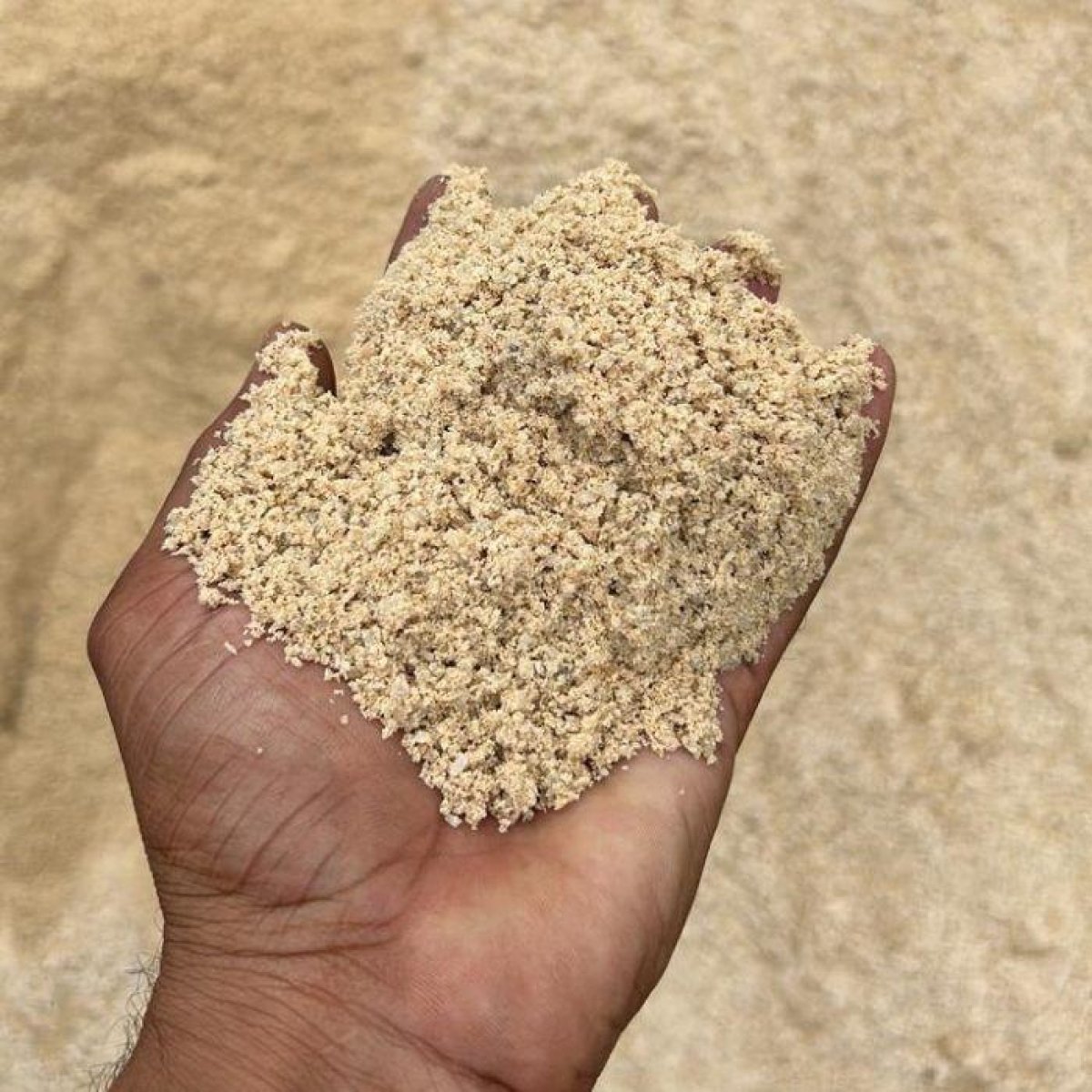
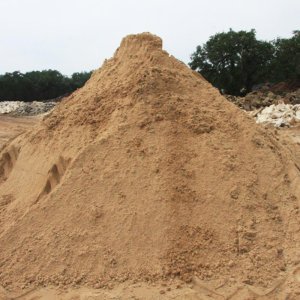
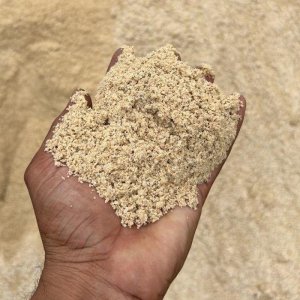
Sand is one of the most important building materials in construction. It is mixed with cement, lime, and water to produce mortar, plaster, and concrete. Depending on the application, different types of sand are selected to achieve the required strength, texture, and finish.Common Features
-
Clean and well-graded particles
-
Available in fine, medium, and coarse grades
-
High compressive strength when mixed with cement
-
Free from excessive clay, silt, and organic matter
-
Suitable for various construction applications
Common Uses
-
Concrete production
-
Cement mortar preparation
-
Wall plastering
-
Brick and block masonry
-
Floor screeding
-
Paver and tile bedding
-
Backfilling and landscaping
Advantages
-
Increases the strength of mortar and concrete
-
Improves workability and finish
-
Readily available and economical
-
Durable and long-lasting
-
Suitable for both structural and finishing work
Common Types
-
River Sand
-
Manufactured Sand (M-Sand)
-
Plaster Sand
-
Concrete Sand
-
Fill Sand
-
Silica Sand (specialized applications)
Typical Specifications
FeatureDescriptionProduct TypeFine AggregateMaterialNatural or Manufactured SandParticle SizeApproximately 0.075–4.75 mmColorWhite, Yellow, Brown, or GrayApplicationConcrete, Mortar, Plaster, MasonryPackagingLoose Bulk or 25–50 kg Bags (varies by supplier)
Typical Applications
-
Residential construction
-
Commercial buildings
-
Road and pavement works
-
Concrete and masonry
-
Plastering and rendering
-
Landscaping and drainage
Sand is an essential construction material that provides strength, stability, and a smooth finish in concrete, mortar, and plaster, making it indispensable for nearly all building projects.