
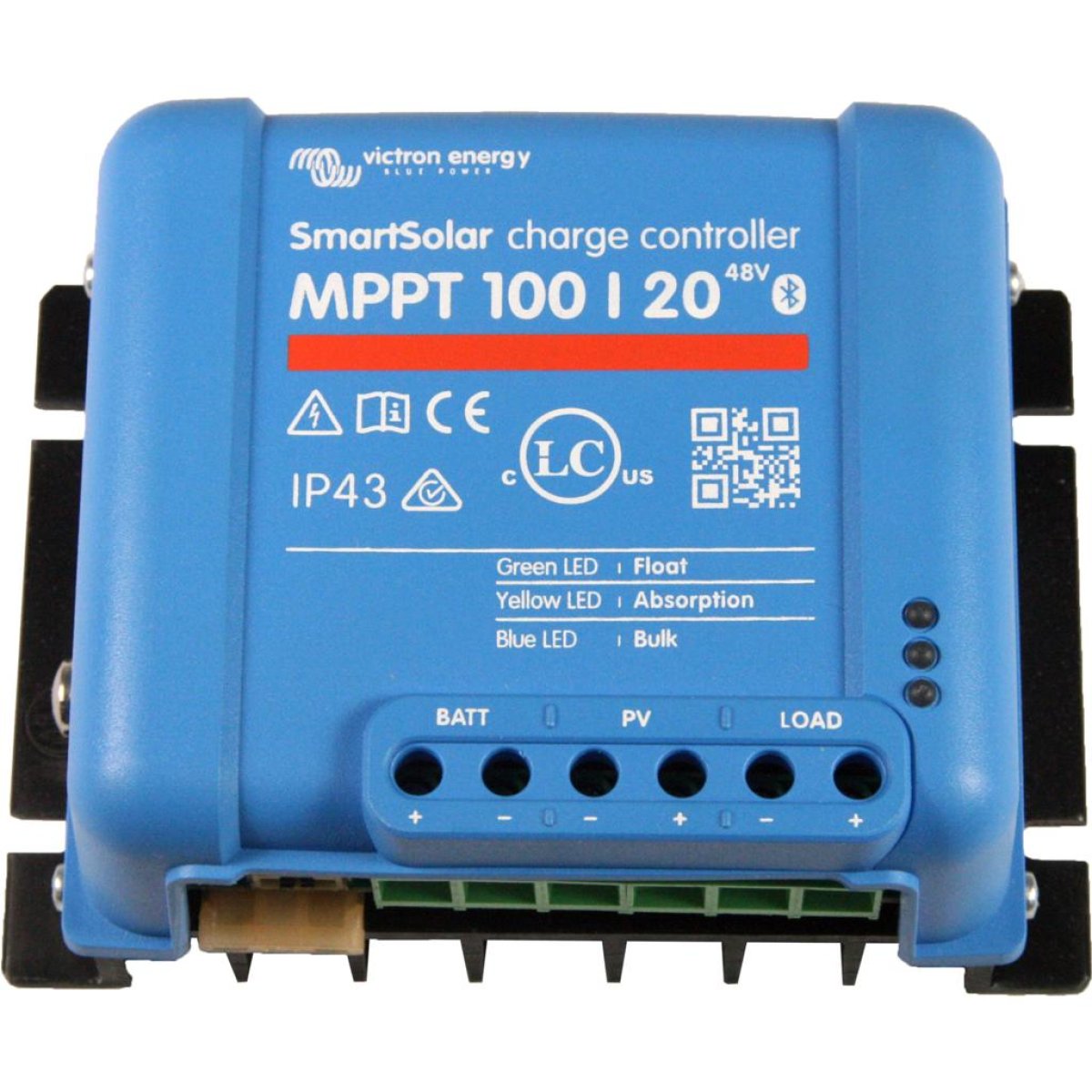
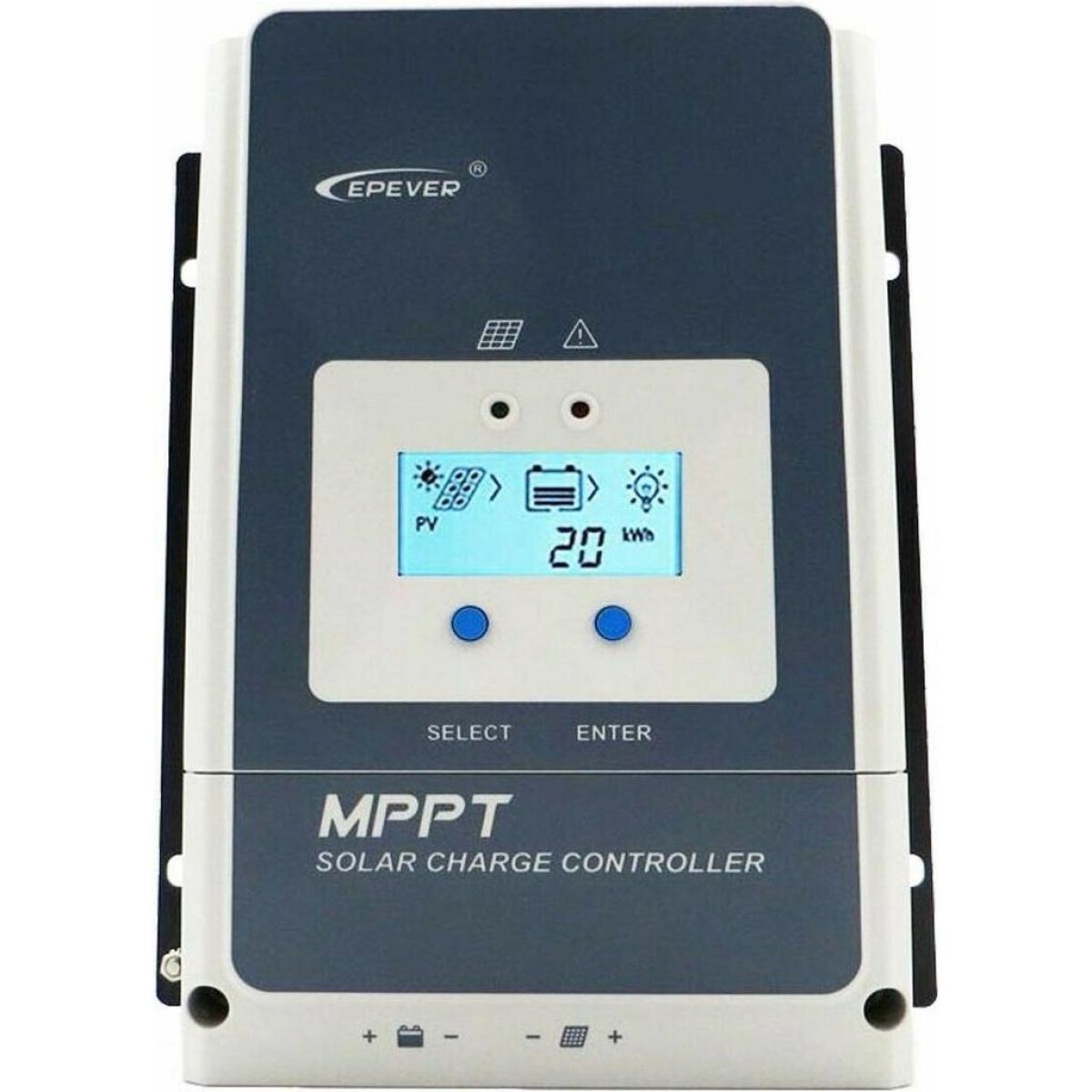
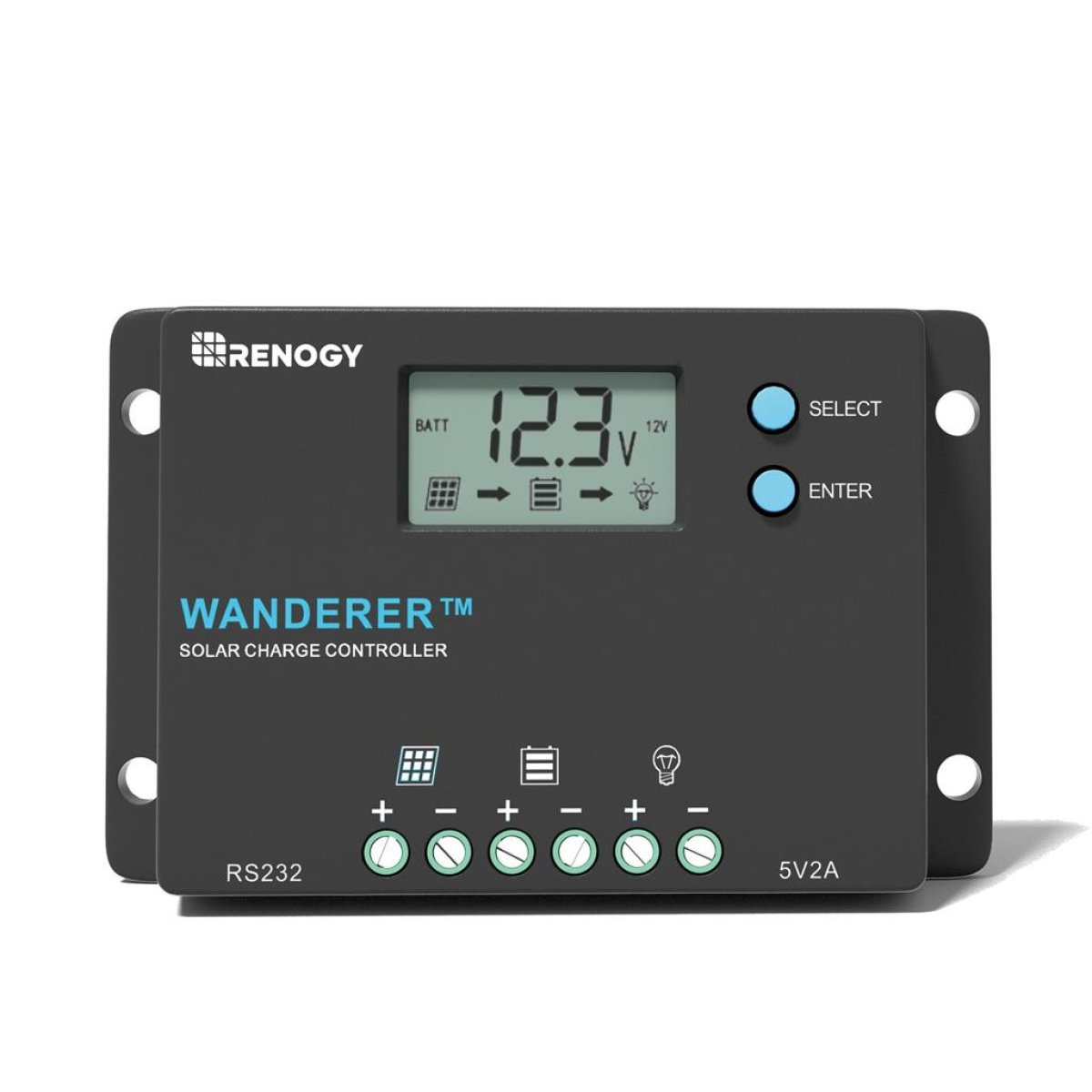
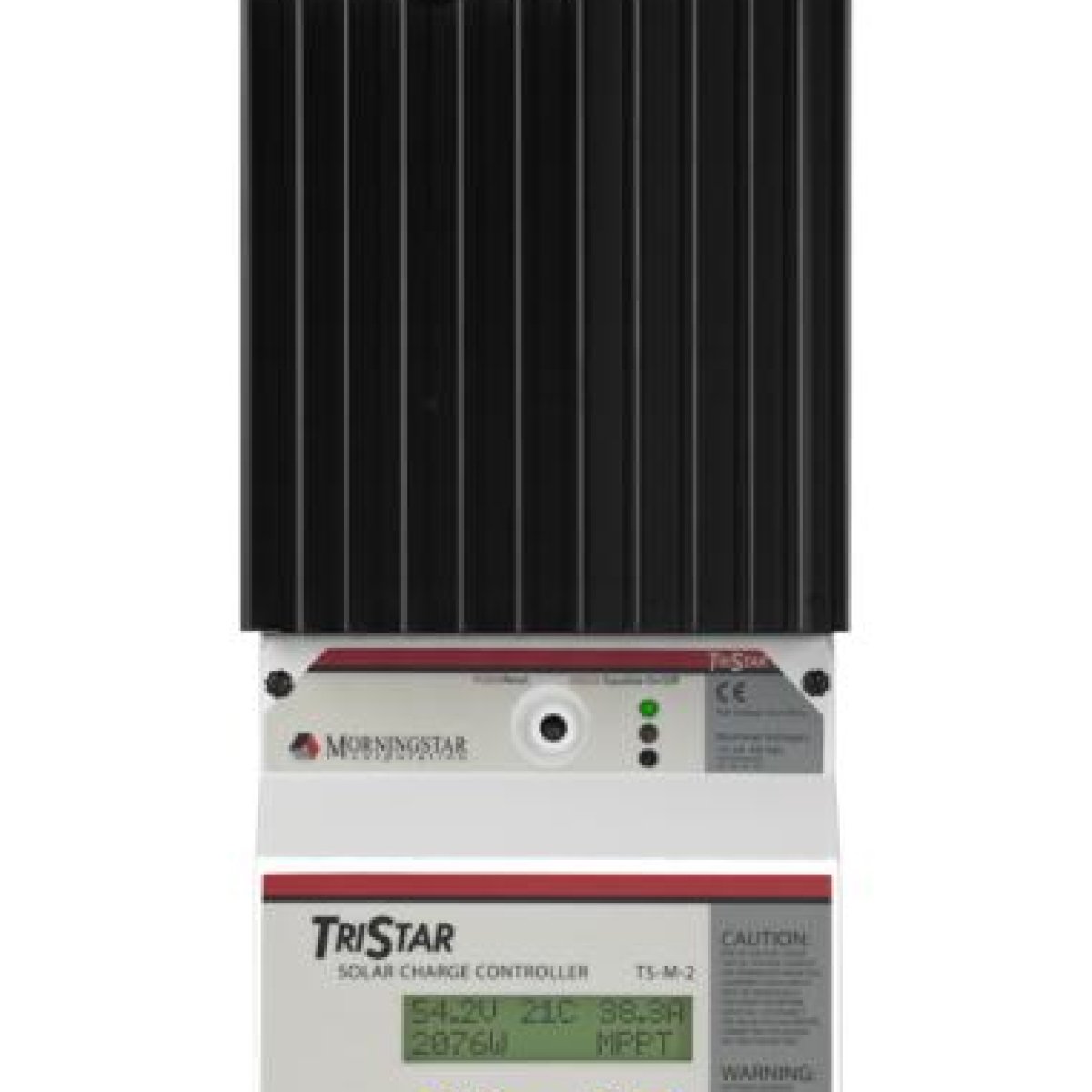
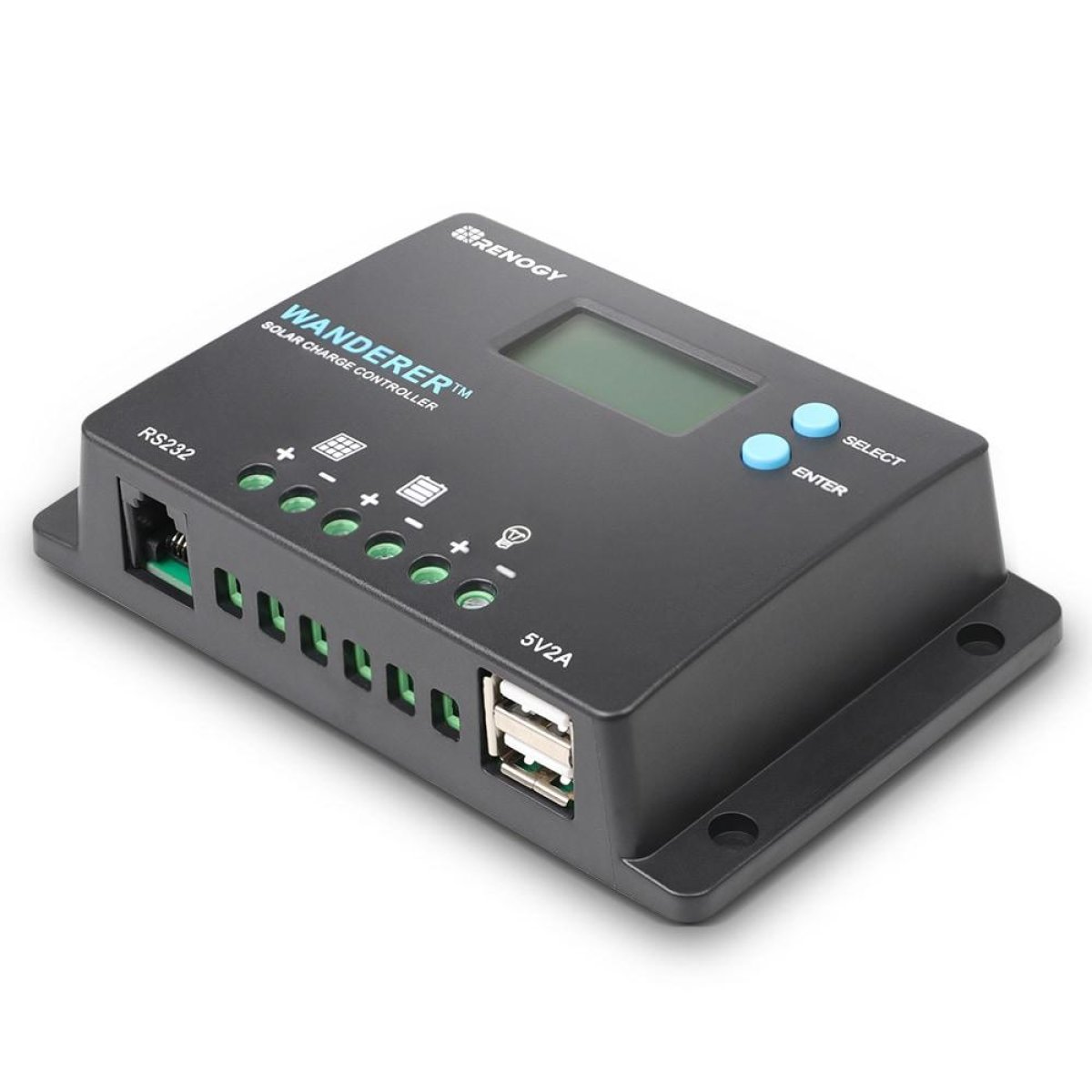
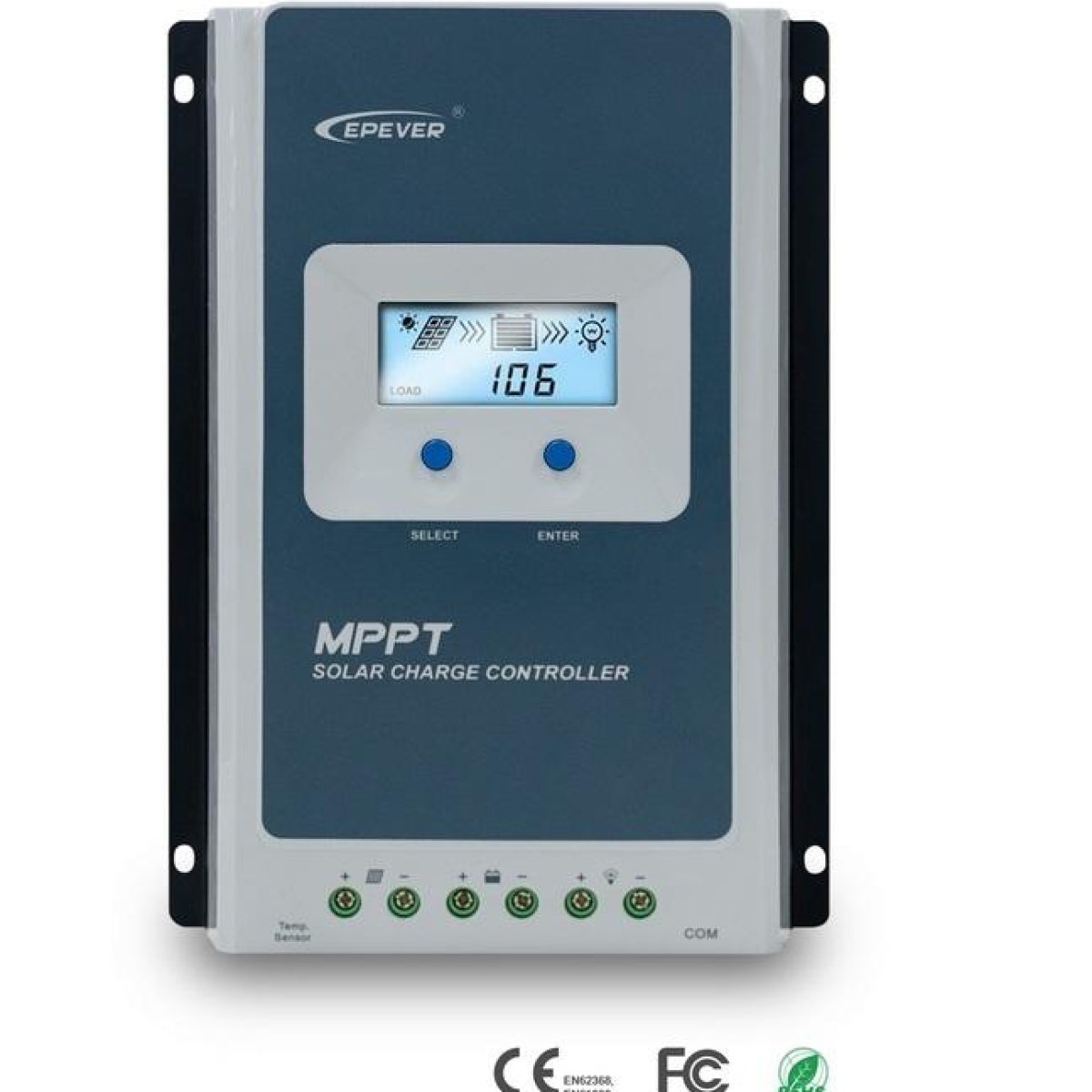
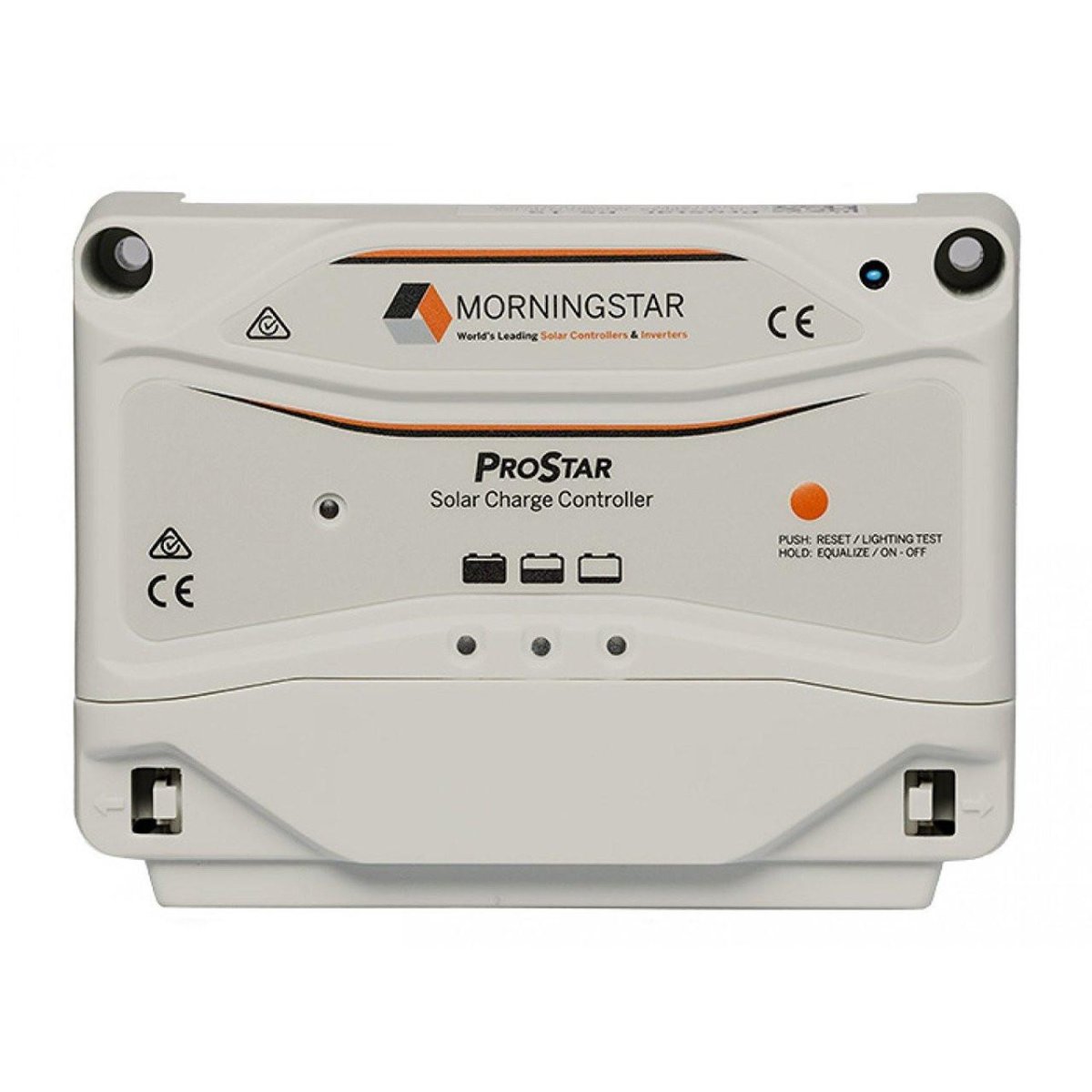
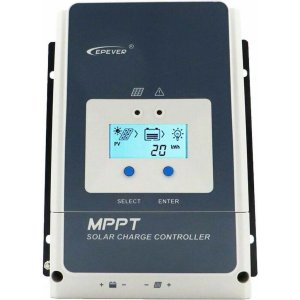
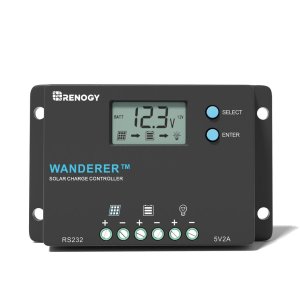
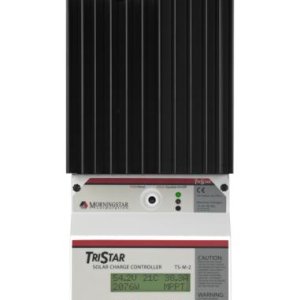
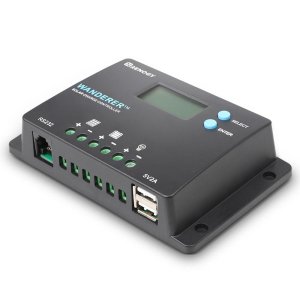
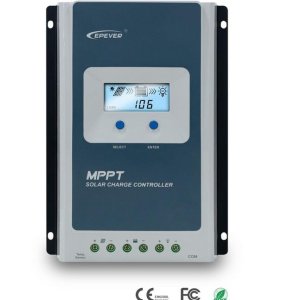
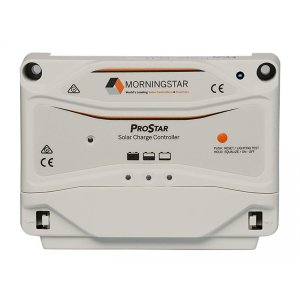
A Solar Charge Controller regulates the voltage and current from solar panels to safely charge batteries while preventing overcharging, over-discharging, and battery damage.
A Solar Charge Controller is an essential component in off-grid and hybrid solar power systems that manages the flow of electricity between photovoltaic (PV) panels and battery storage. It optimizes charging performance, protects batteries, and improves the overall efficiency and lifespan of the solar energy system.
There are two main types of solar charge controllers:
MPPT (Maximum Power Point Tracking) Solar Charge Controller
MPPT controllers continuously track the solar panel’s maximum power point to extract the highest available energy, especially during changing weather conditions. They provide higher efficiency and support higher-voltage solar arrays.
PWM (Pulse Width Modulation) Solar Charge Controller
PWM controllers provide simple and reliable battery charging by regulating current flow from solar panels. They are cost-effective and suitable for smaller solar systems with matching panel and battery voltages.
Key Features
Common Applications
Typical Specifications
PWM Controller
MPPT Controller
Common Types
Popular Brands