
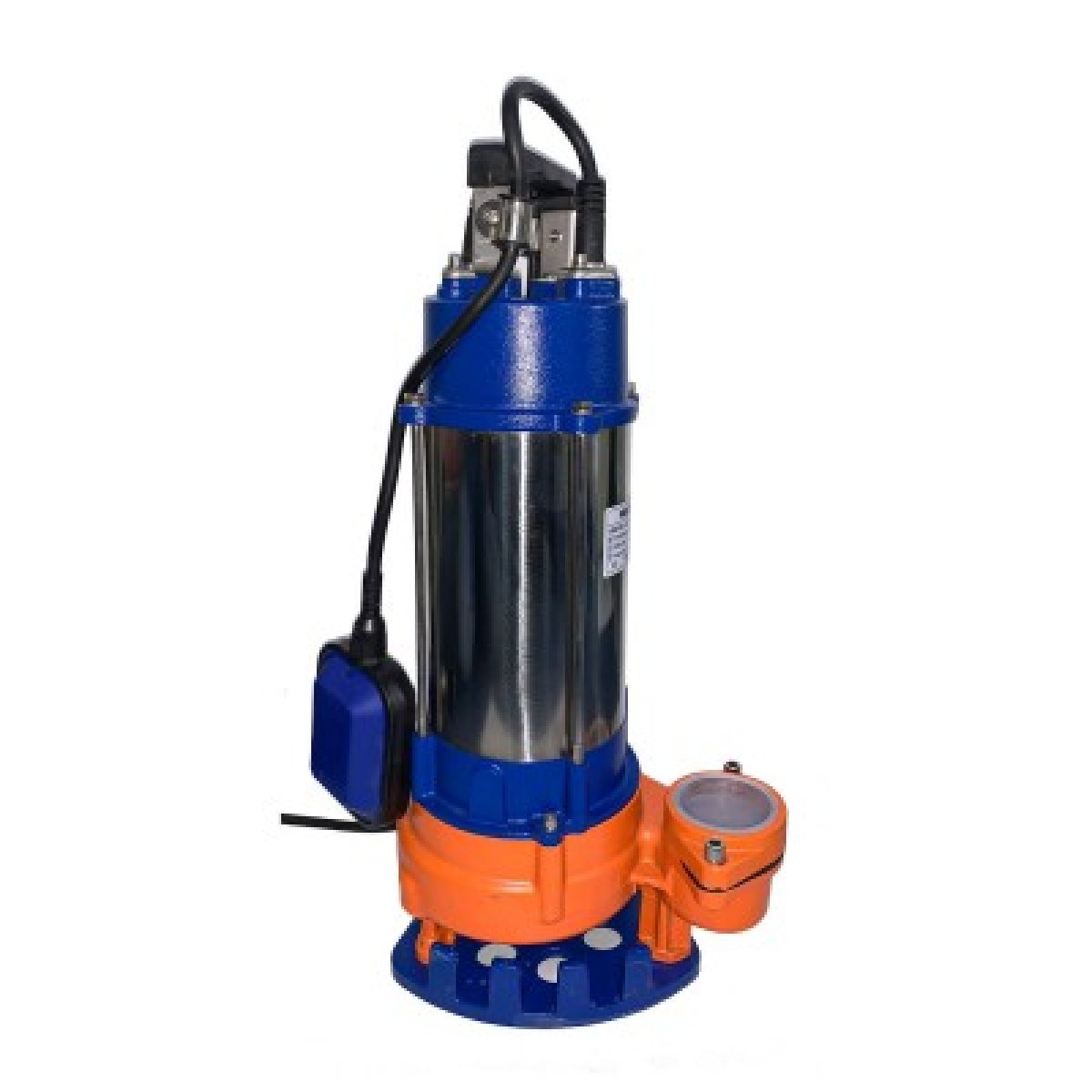
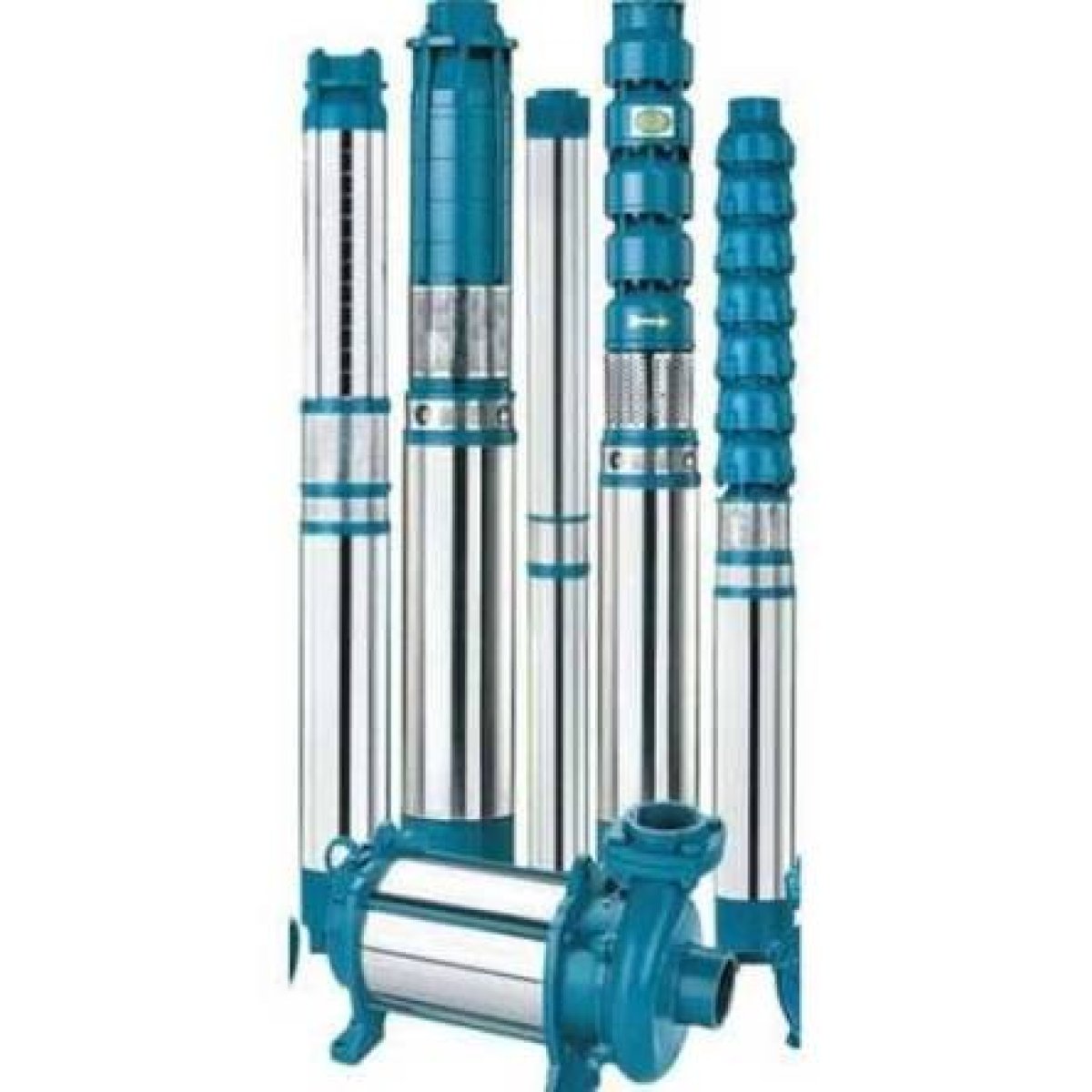
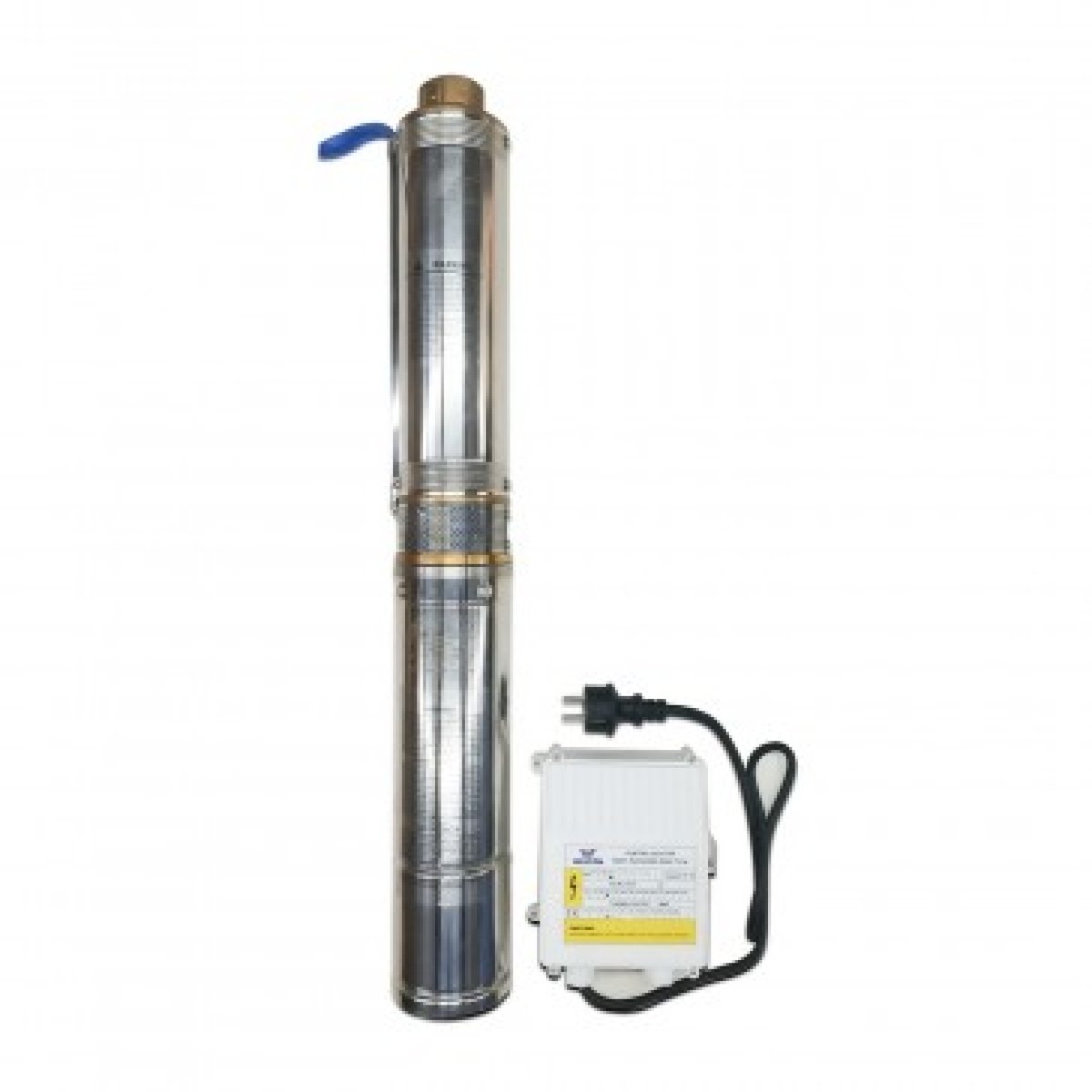
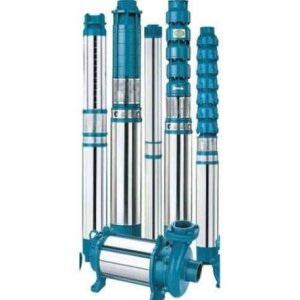
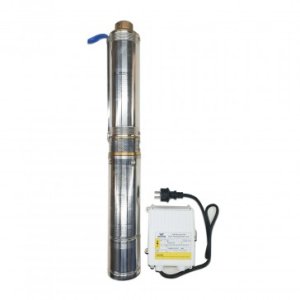
A Submersible Pump is an integrated, hermetically sealed mechanical lifting unit that combines a centrifugal pump assembly with a completely waterproof electric motor. Designed to operate while fully submerged within the fluid it is pumping, the unit pushes water or slurry upward toward the surface through a discharge pipe, eliminating the atmospheric depth limitations and priming issues that plague traditional surface-mounted suction pumps.
1. System Architecture & Waterproof Engineering
The defining characteristic of a submersible pump is its ability to operate indefinitely underwater without short-circuiting or experiencing mechanical breakdown. This requires specialized materials and physical isolation barriers:
The Hermetic Enclosure: The electric motor is encased inside a heavy-duty, corrosion-resistant housing made of 304/316 Stainless Steel or cast iron.
The Mechanical Seal Matrix: Positioned where the rotating motor shaft enters the pump housing. Submersible pumps utilize dual, independent mechanical seals running inside a dedicated Oil Chamber (Buffer Zone). The seals are typically constructed from ultra-hard Silicon Carbide or Tungsten Carbide to prevent water from migrating down the shaft into the electrical windings under high hydrostatic pressure.
Submersible Power Cable: Power is supplied via a specialized, heavily jacketed neoprene or polyurethane insulated cable that remains completely flexible and water-impermeable at extreme depths.
2. Multi-Stage Centrifugal Mechanics (Deep Well Systems)
For deep-well applications (such as agricultural boreholes or municipal aquifers), a single pump impeller lacks the kinetic energy to push water hundreds of feet straight up to the surface. To overcome this, engineers deploy Multi-Stage Vertical Submersible Pumps.
The Kinetic Stacking Process
Inside a multi-stage pump, a series of individual Impellers and Diffusers are stacked vertically along a single shared drive shaft.
Water enters the bottom of the pump through a suction screen.
The first rotating impeller accelerates the fluid outward using centrifugal force, imparting high velocity.
The water immediately hits a stationary diffuser, which converts that high velocity into static pressure.
Instead of leaving the pump, this pressurized water is routed directly into the center eye of the second impeller stage.
Each subsequent stage acts as a pressure booster. If a single stage generates $10\text{ PSI}$ of head pressure, a $15\text{阶}$ (15-stage) pump assembly will stack that energy to discharge the fluid at $150\text{ PSI}$, allowing it to conquer deep subterranean gravity barriers.
3. Core Operational Classifications
Submersible pumps are explicitly engineered based on the solids content and chemical aggressiveness of the target fluid.ClassificationStructural Design TraitsCommon Enterprise Use CaseClean Water Well PumpsSlim diameter profiles ($3\text{", } 4\text{", or } 6\text{"}$); tight internal clearances; high-speed enclosed impellers.Municipal drinking aquifers, agricultural center-pivot irrigation systems.Sump / Dewatering PumpsTop or side discharge ports; open vortex impellers; semi-portable frames with integrated mechanical float switches.Commercial basement flood mitigation, open-pit construction site drainage.Sewage / Effluent PumpsMassive internal clearances; heavy-duty cast-iron scroll casings; integrated Macerator (Grinder) Blades.Pumping raw municipal wastewater from low-elevation residential lift stations up to treatment facilities.The Anti-Cavitation & Priming Advantage
Traditional surface suction pumps (like jet pumps) sit above the water level and pull water up using a vacuum. This limits their theoretical maximum suction lift to roughly 8.5 meters (28 feet) due to atmospheric pressure constraints, and they require manual "priming" (filling the intake line with water) to function. If air pockets enter the line, they suffer from destructive cavitation.
Submersible pumps completely circumvent this physics bottleneck. Because they sit at the bottom of the fluid reservoir, they operate entirely on positive head pressure. The fluid is pushed outward from below rather than pulled from above, meaning they never lose prime, operate with significantly higher mechanical efficiency, and can lift water from depths exceeding several hundred meters.