
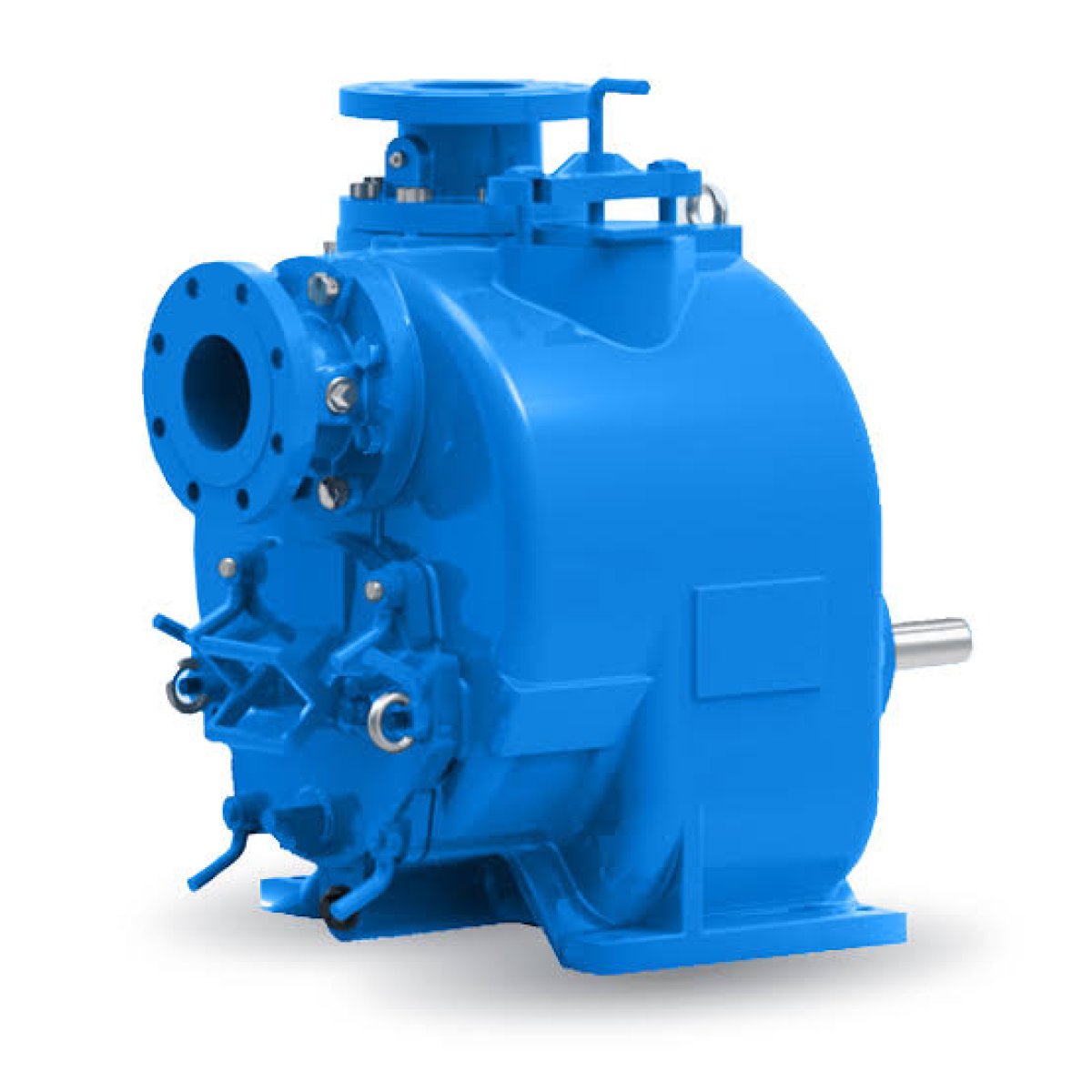
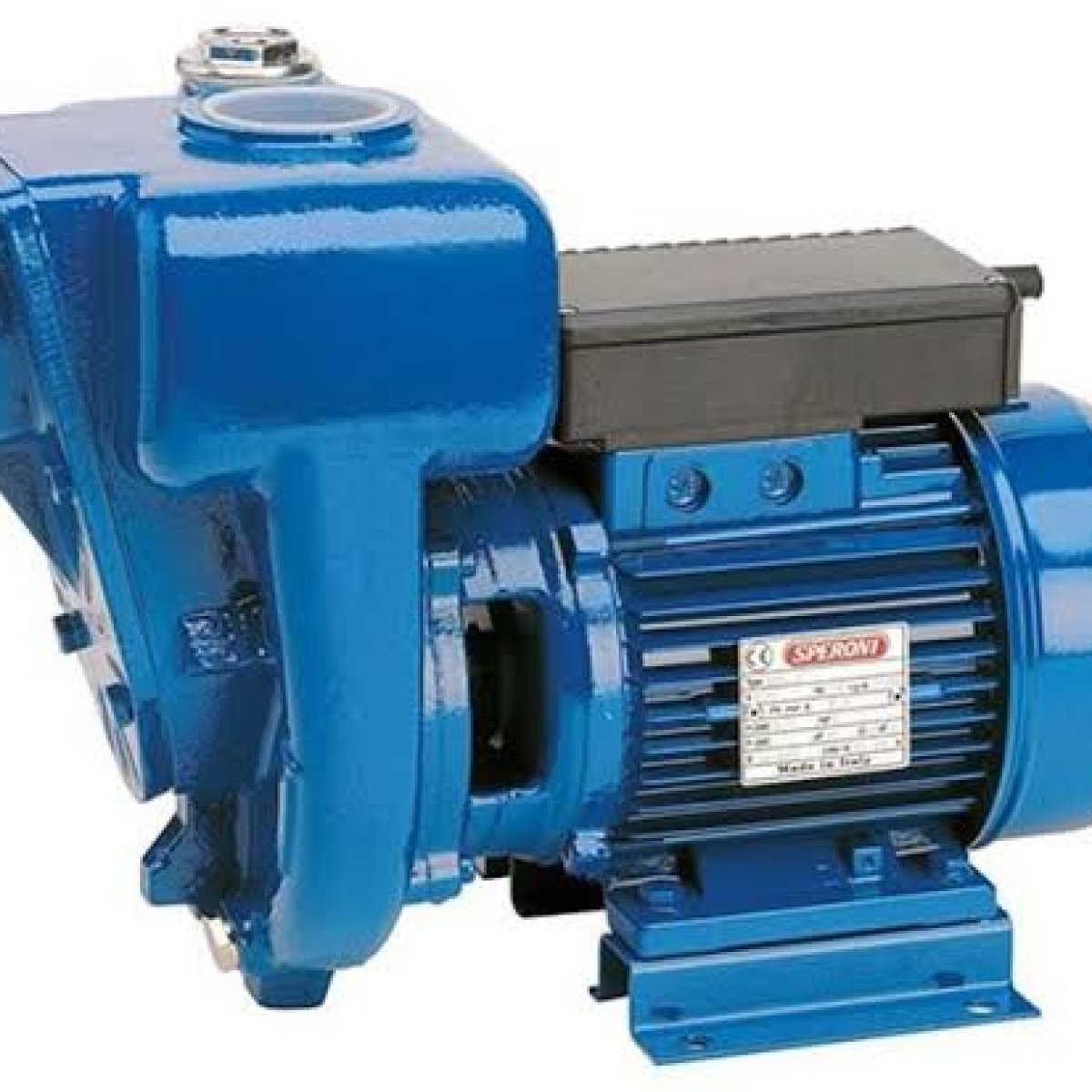
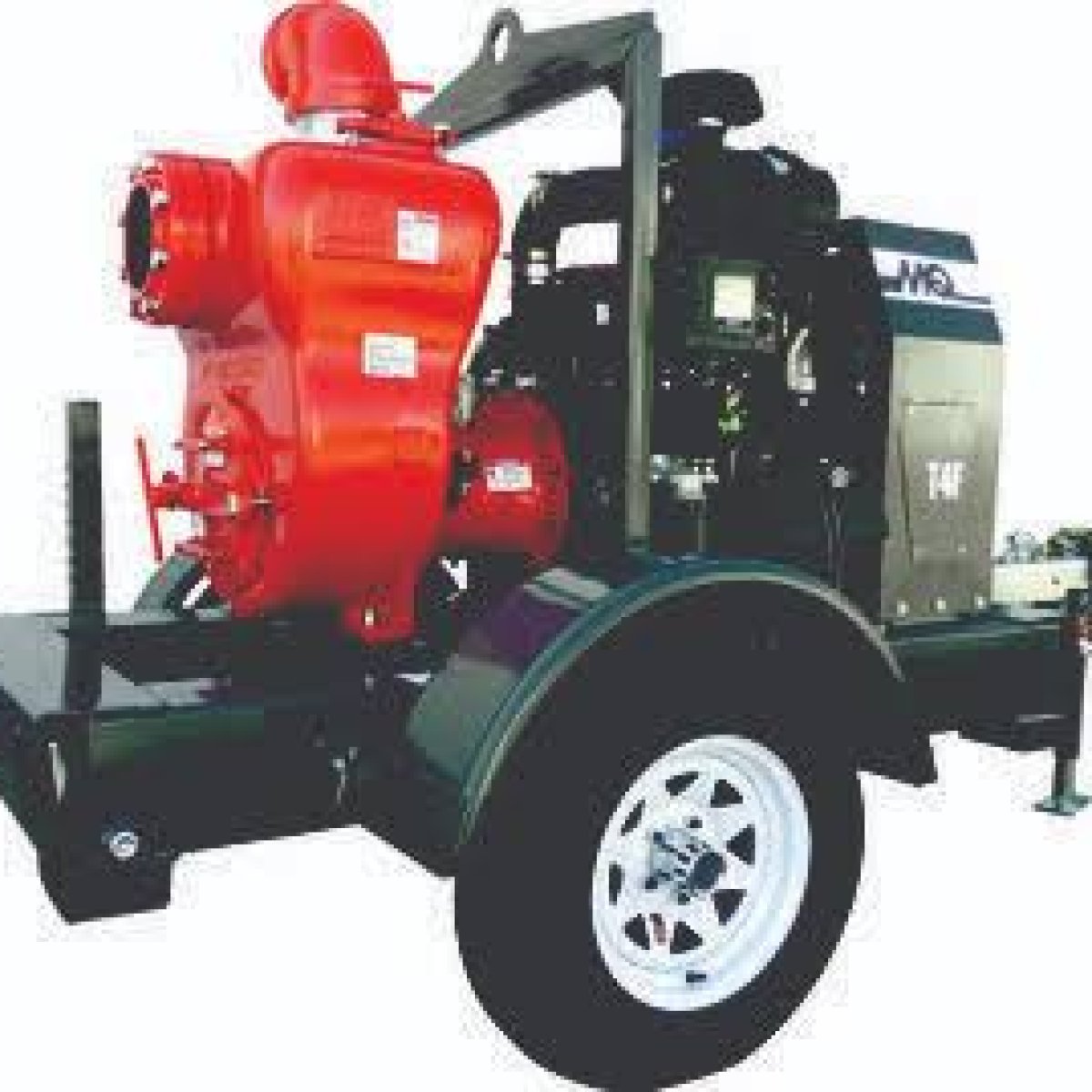
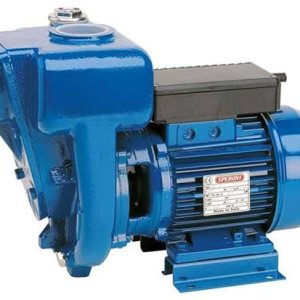
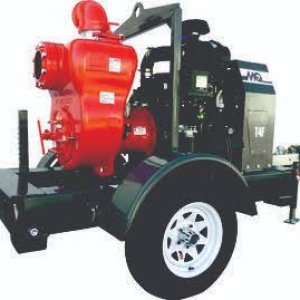
A Trash Pump is a heavy-duty, portable or stationary centrifugal pump explicitly engineered to handle large volumes of water containing abrasive solids, debris, mud, and raw sewage. Unlike standard dewatering or sump pumps—whose tight internal clearances clog or fail when exposed to gravel or twigs—trash pumps feature massive internal passages, deep-vane open impellers, and quick-access cleanout covers designed to process heavily contaminated slurries without stopping.
1. Internal Engineering & Clog-Free Architecture
The fundamental difference between a trash pump and a standard water pump lies in its internal clearance geometry and the structural design of its spinning impeller.
The Open Impeller Design: Standard pumps use "enclosed" impellers (where the blades are sandwiched between two solid metal discs) to maximize fluid efficiency. Trash pumps discard this configuration in favor of wide, heavy-duty Open or Semi-Open Impellers made of ductile iron or high-chrome steel cast alloys. The blades stand freely, allowing stones and fibrous materials to pass right across the vanes without wrapping around the central drive shaft.
Spherical Solids Handling Capacity: Trash pumps are categorized by the maximum diameter of solid debris they can pass unscathed. A standard $2\text{-inch}$ trash pump can process solids up to $1\text{ inch}$ in diameter, while heavy industrial $3\text{-inch or } 4\text{-inch}$ units can easily pass solid rocks and sticks measuring up to $2 \text{ to } 3\text{ inches}$ in diameter without binding.
The Quick-Access Cleanout Cover: Even with massive clearances, irregular items like industrial rags, thick rope, or large chunks of asphalt can occasionally wedge inside the volute. To combat this, trash pumps feature a toolless, removable front cover plate secured by heavy-duty wing nuts. This allows field operators to physically open the main pump casing, clear the obstruction, and reseal the machine right on the job site in under two minutes.
2. Material Sealing & Abrasive Wear Resistance
Pumping mud, sand, and gravel creates an intensely abrasive environment acting like sandpaper on the pump's internal components. Trash pumps incorporate specialized metallurgy to survive this friction:
Silicon Carbide Mechanical Seals: The seal isolating the wet pump volute from the gas engine or electric motor shaft is the most vulnerable failure point. Trash pumps utilize dual mechanical seals faced with Silicon Carbide or Tungsten Carbide. These diamond-hard ceramics prevent micro-fine sand particles from scratching the seal faces and migrating into the motor bearings.
Sacrificial Wear Plates: The interior wall of the pump casing experiences severe scouring from flying rocks. Trash pumps feature replaceable cast-iron Wear Plates bolted directly inside the aluminum outer housing. When sand erosion eventually drops the pump's fluid efficiency, technicians simply swap out the inner wear plate rather than scraping the entire expensive pump casing.
3. Core Operational Classifications
Trash pumps are divided into three primary operational tiers based on the severity of the slurry they are tasked with clearing.
ClassificationDriving Power OptionsSolids Size RangeIdeal Enterprise ApplicationSemi-Trash PumpsGasoline / Small Electric$0.25" \text{ to } 0.75"$Draining muddy trenches, clearing flooded basements, pumping swimming pools with heavy leaf debris.Full Trash PumpsDiesel / Gas / Heavy Electric$1.0" \text{ to } 2.0"$Construction site excavation dewatering, utility bypass pumping, agricultural ditch clearing.Diaphragm Pumps (Mud Hogs)Diesel / Heavy GasolineUnlimited (Up to pipe diameter)Pumping thick, viscous sludge, oil-field drilling mud, septage pits, and dewatering trenches with high mud-to-water ratios.The Diaphragm Pump Alternative: Handling Thick Sludge
When a slurry contains so little liquid that it behaves more like wet cement or pudding, standard centrifugal trash pumps stall because they cannot maintain a fluid vortex. In these extreme conditions, engineers switch to a Diaphragm Pump.
Instead of a spinning impeller, a diaphragm pump relies on positive displacement. A flexible synthetic rubber membrane is driven mechanically up and down via a reciprocating connecting rod. As the diaphragm rises, it creates a powerful vacuum that pulls the thick mud through a one-way flapper intake valve. As it pushes down, it forces the mud out through a discharge valve. Because it acts like a mechanical syringe, it can run completely dry without overheating, can pump air and fluid simultaneously, and handles high-viscosity sludge that would instantly choke a traditional centrifugal pump.