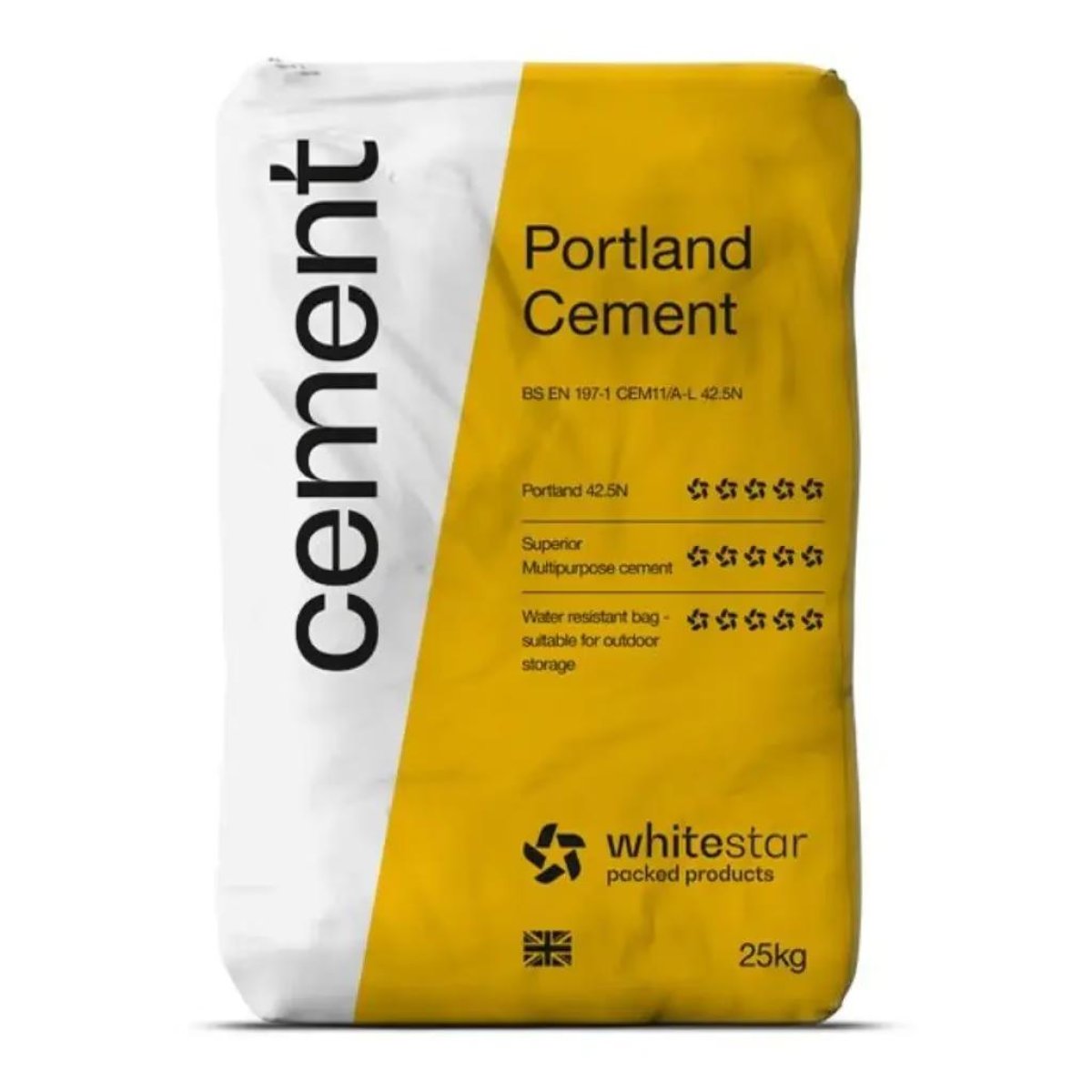
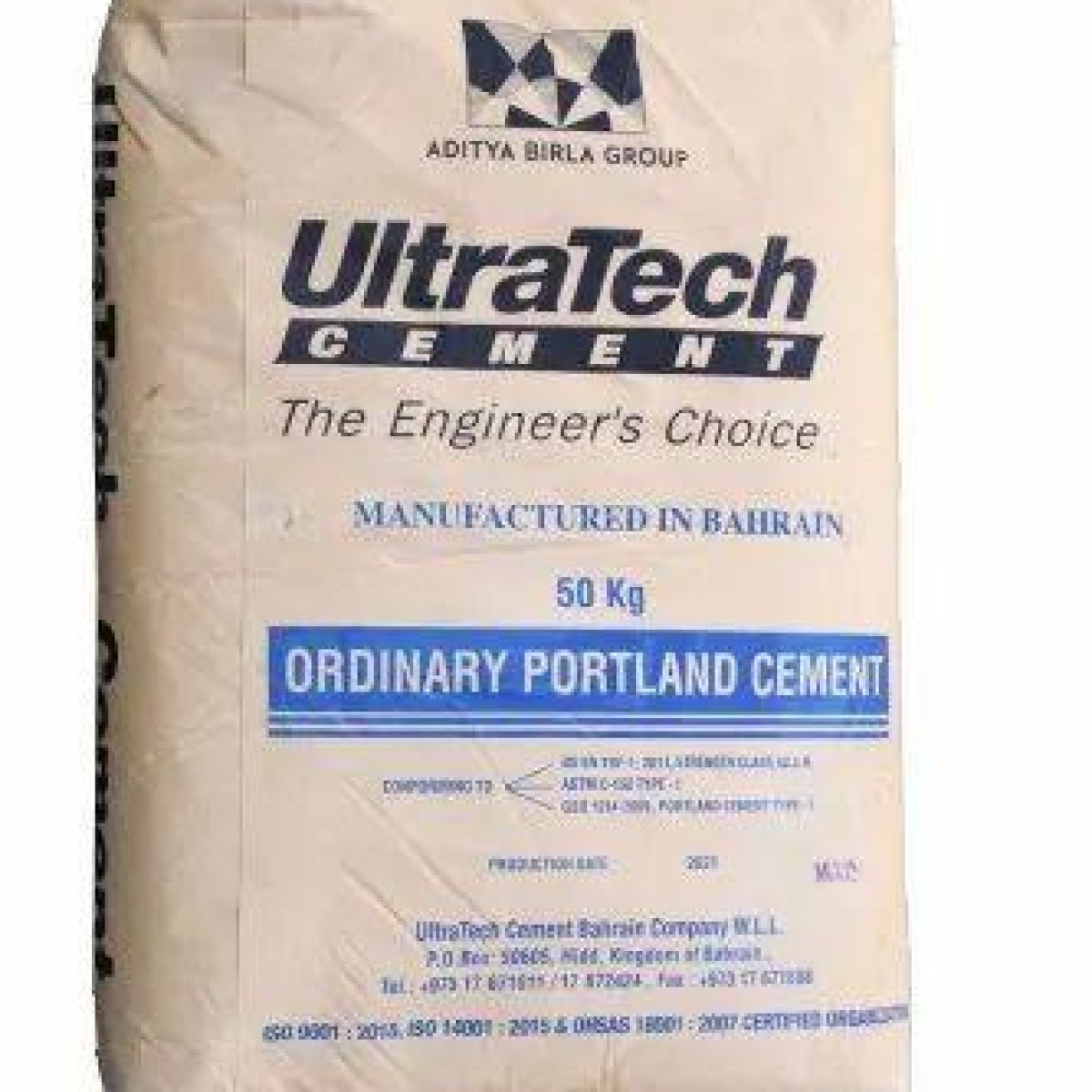
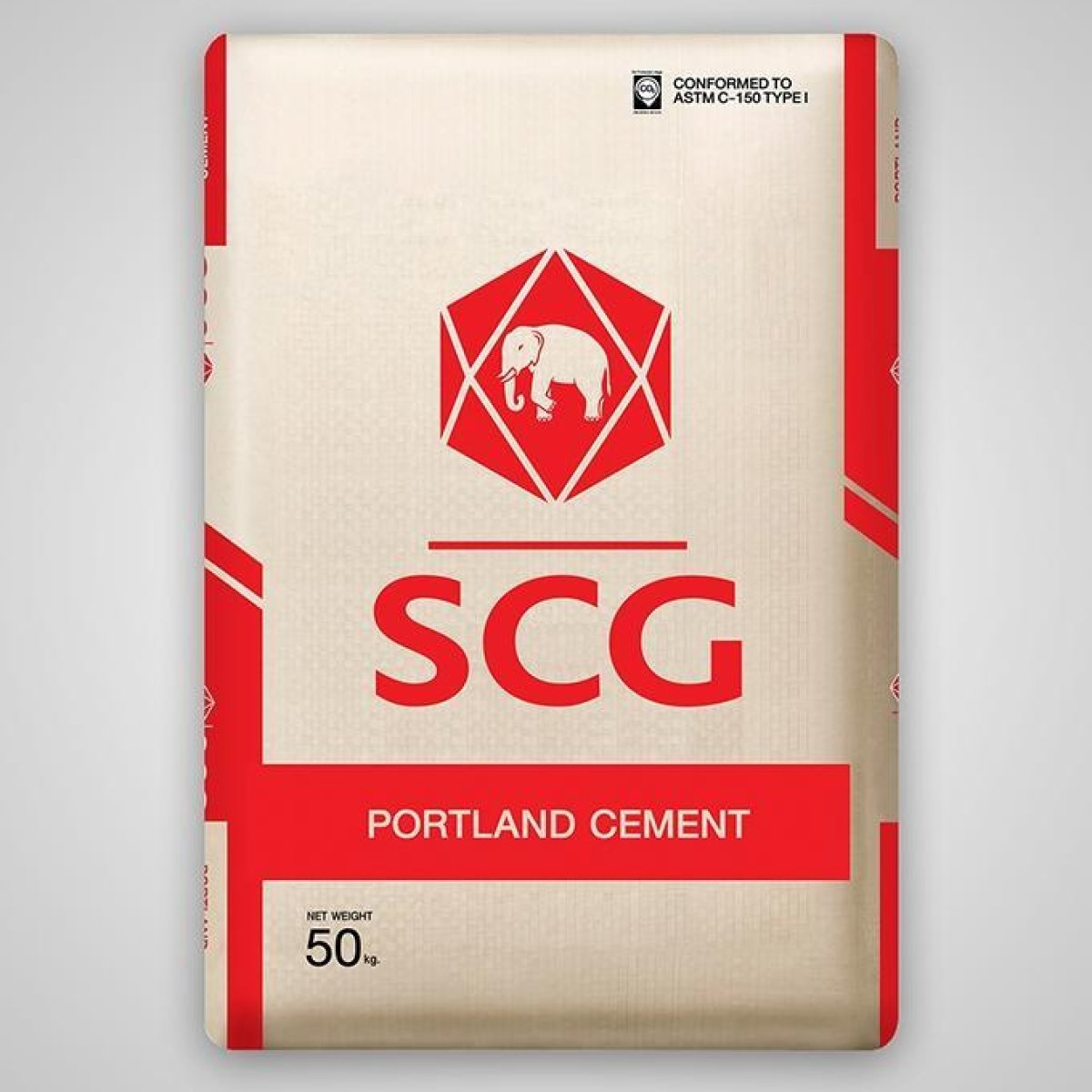
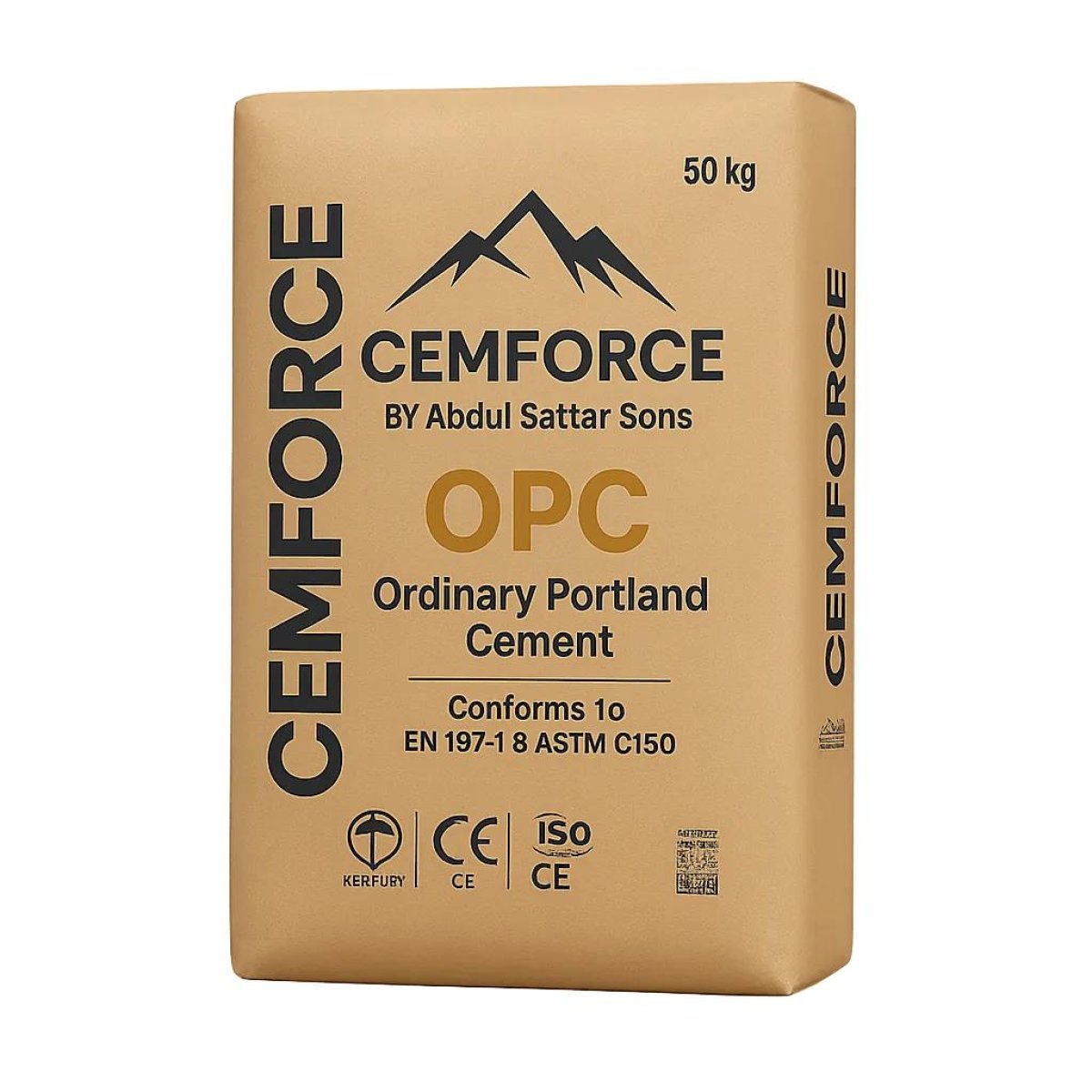
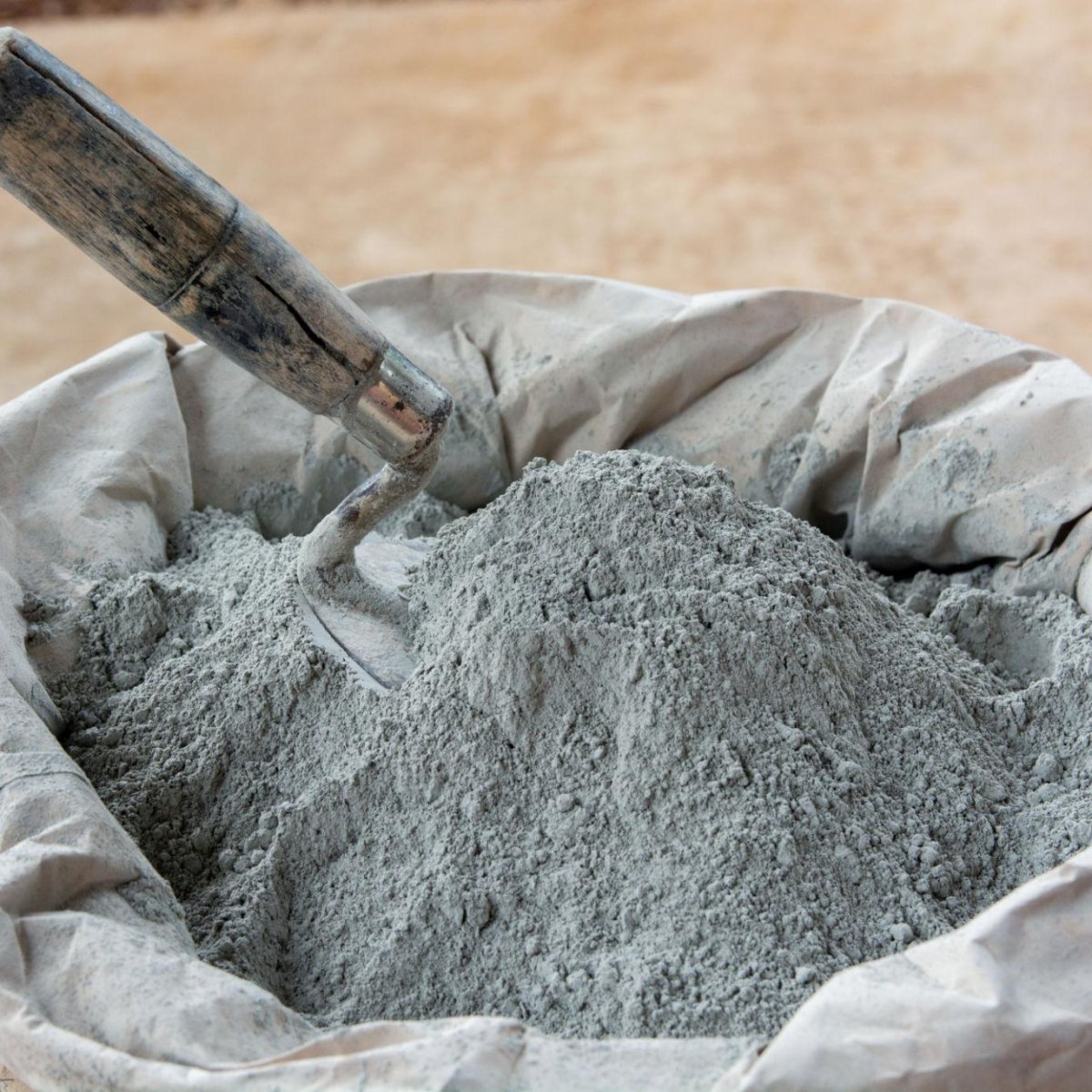
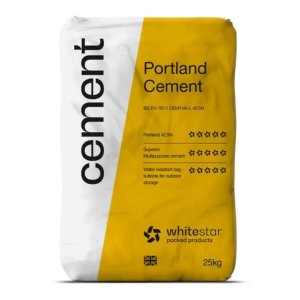
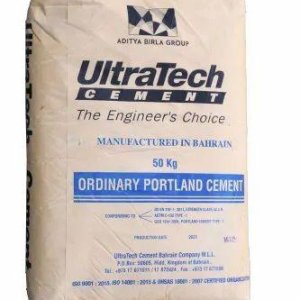
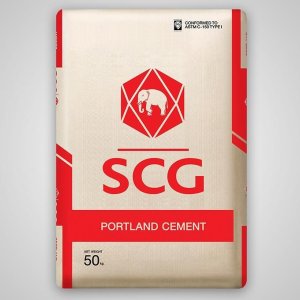
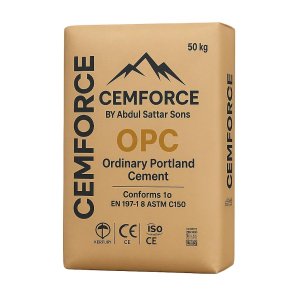
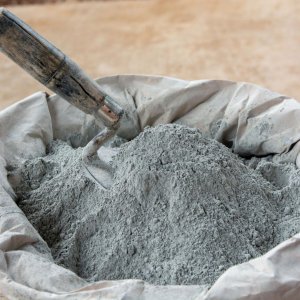
Cement is one of the most important construction materials, used to bind sand, gravel, and other aggregates into strong, durable structures. The most common type is Ordinary Portland Cement (OPC), while Portland Composite Cement (PCC) is also widely used for general building work. Cement is suitable for residential, commercial, and infrastructure projects.
Common Features
-
High compressive strength
-
Excellent binding properties
-
Durable and long-lasting
-
Suitable for structural and non-structural work
-
Compatible with various aggregates and admixtures
-
Available in moisture-resistant bags
Common Uses
-
Concrete production
-
Brick and block masonry
-
Plastering walls and ceilings
-
Floor screeds
-
Foundation construction
-
Road and bridge construction
-
Repair and maintenance work
Advantages
-
Strong and durable
-
Excellent bonding performance
-
Fire-resistant
-
Weather-resistant
-
Versatile for many construction applications
-
Cost-effective building material
Common Types
-
Ordinary Portland Cement (OPC)
-
Portland Composite Cement (PCC)
-
Portland Pozzolana Cement (PPC)
-
Rapid Hardening Cement
-
Sulphate Resistant Cement
-
White Cement
Typical Specifications
FeatureDescriptionProduct TypeHydraulic BinderMain MaterialPortland Cement Clinker, Gypsum, Mineral AdditivesColorGrey (White for White Cement)Packaging25 kg or 50 kg BagsSetting TimeInitial: ≥30 min; Final: ≤10 hours (typical)Compressive Strength32.5, 42.5, or 52.5 MPa GradeApplicationsConcrete, Mortar, Plaster, Masonry
Typical Applications
-
Residential buildings
-
Commercial construction
-
Industrial structures
-
Bridges and highways
-
Foundations and columns
-
Pavements and flooring
-
General repair and renovation
Cement is the foundation of modern construction, providing the strength and durability required for concrete, masonry, and structural building projects.