Concrete blocks are durable, factory-made building units used for constructing walls, foundations, partitions, and other structural elements. They provide excellent strength, fire resistance, and long-lasting performance in residential, commercial, and industrial construction.
Concrete blocks are manufactured from a mixture of cement, sand, aggregates, and water, then molded and cured to achieve high compressive strength. They are widely used because they are strong, economical, easy to install, and require minimal maintenance. Different types of concrete blocks are available to suit structural and non-structural applications, including solid, hollow, lightweight, AAC (Autoclaved Aerated Concrete), and interlocking blocks.
Key Features:
-
High compressive strength and durability
-
Excellent fire and weather resistance
-
Good thermal and sound insulation (especially AAC blocks)
-
Faster construction with uniform dimensions
-
Low maintenance and long service life
-
Suitable for residential, commercial, and industrial buildings
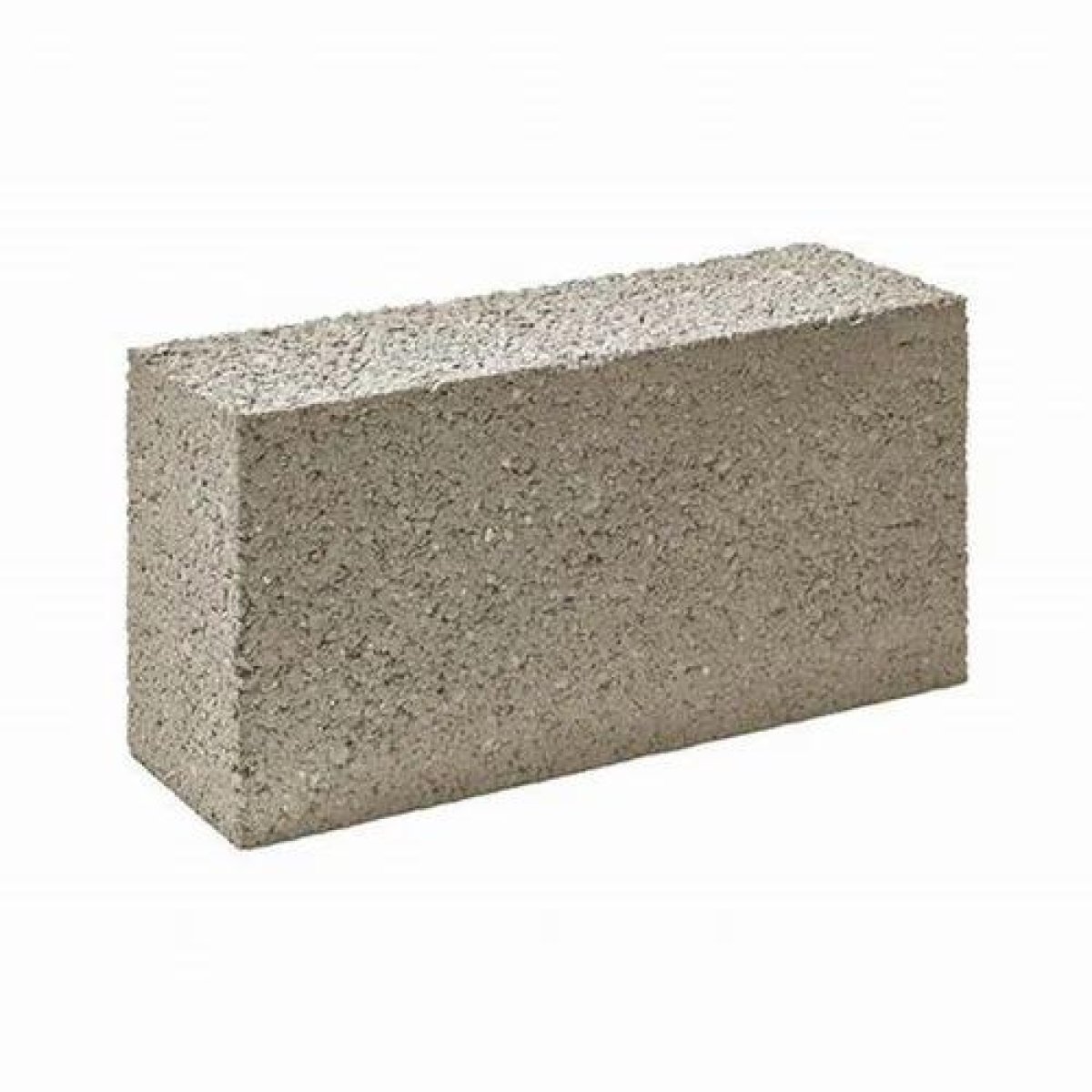
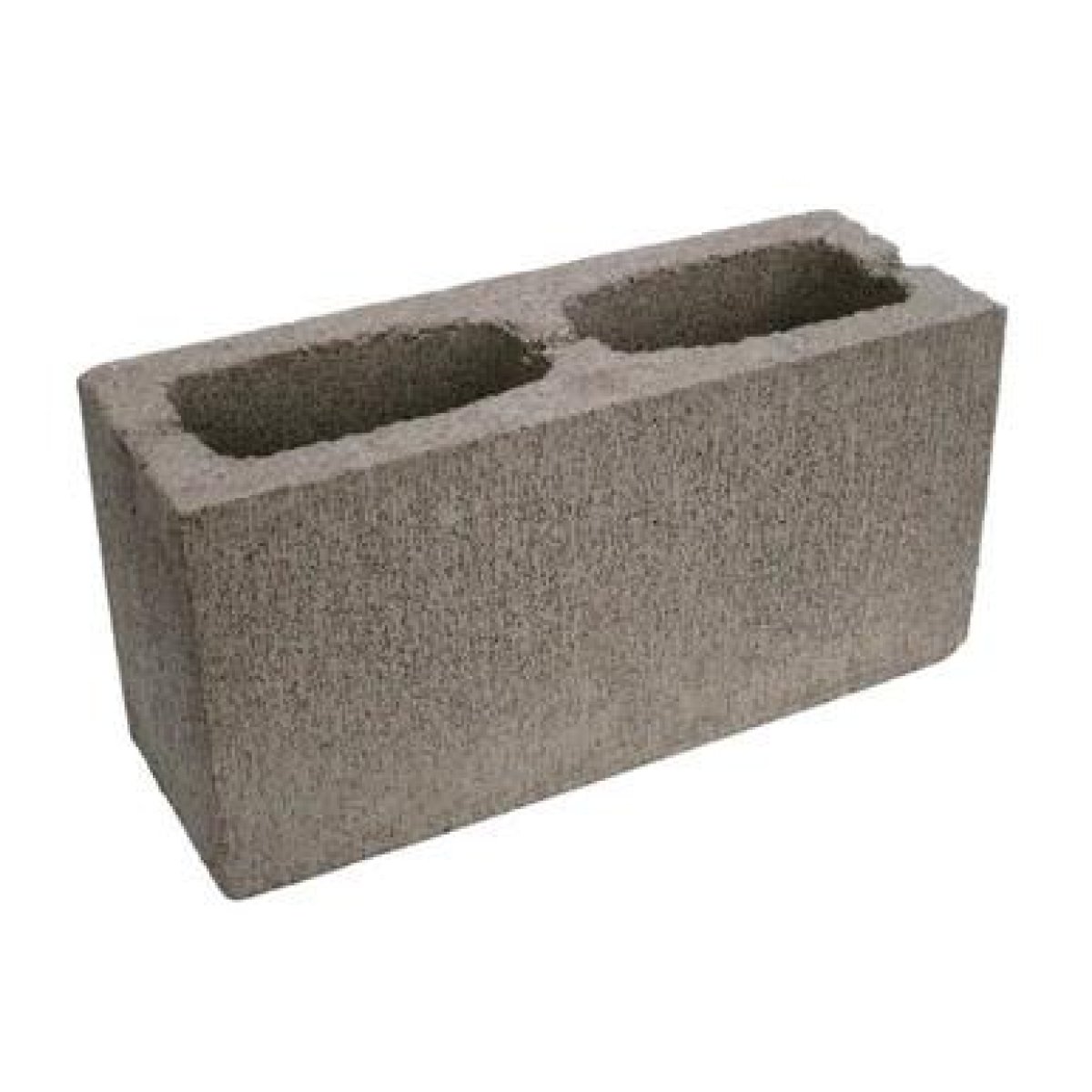
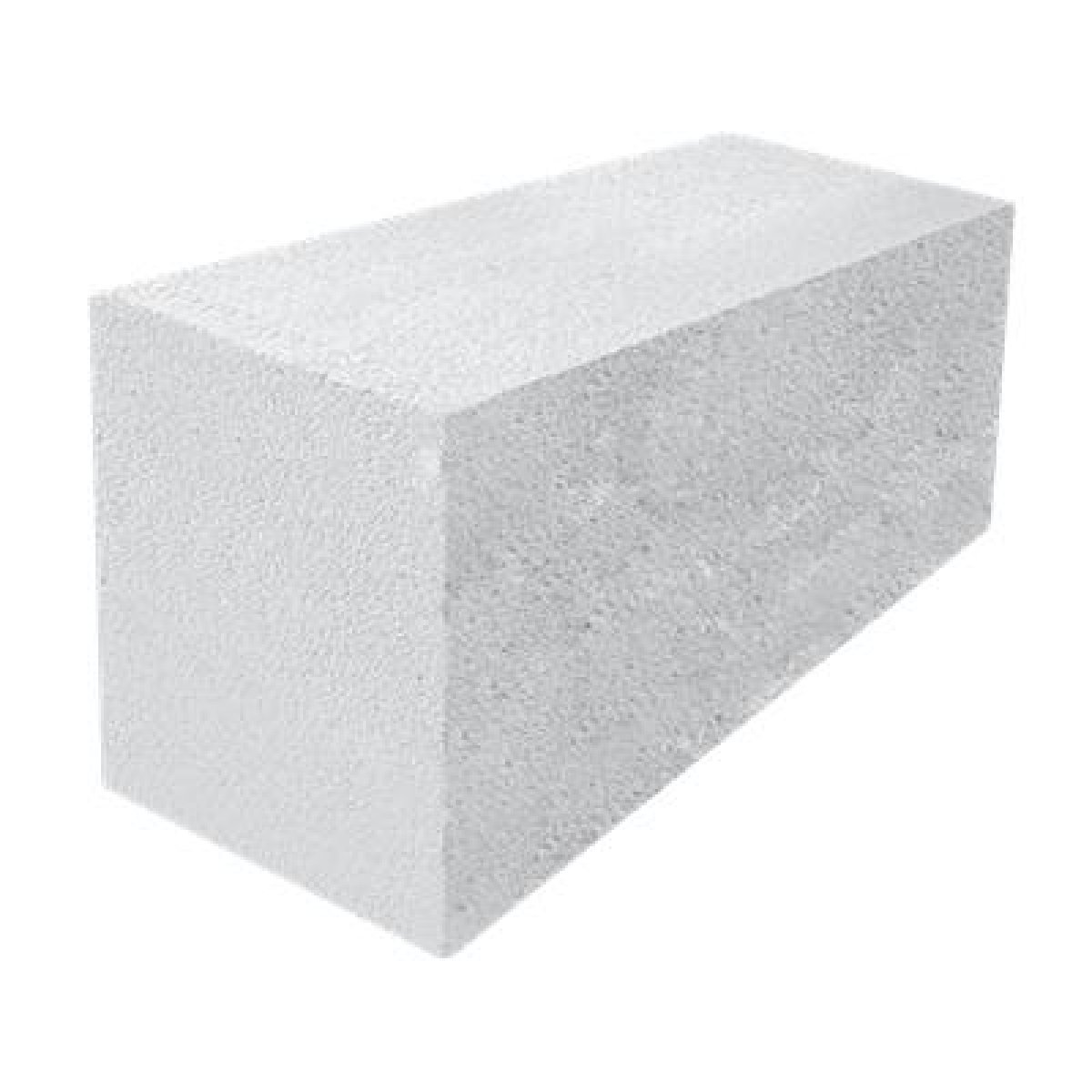
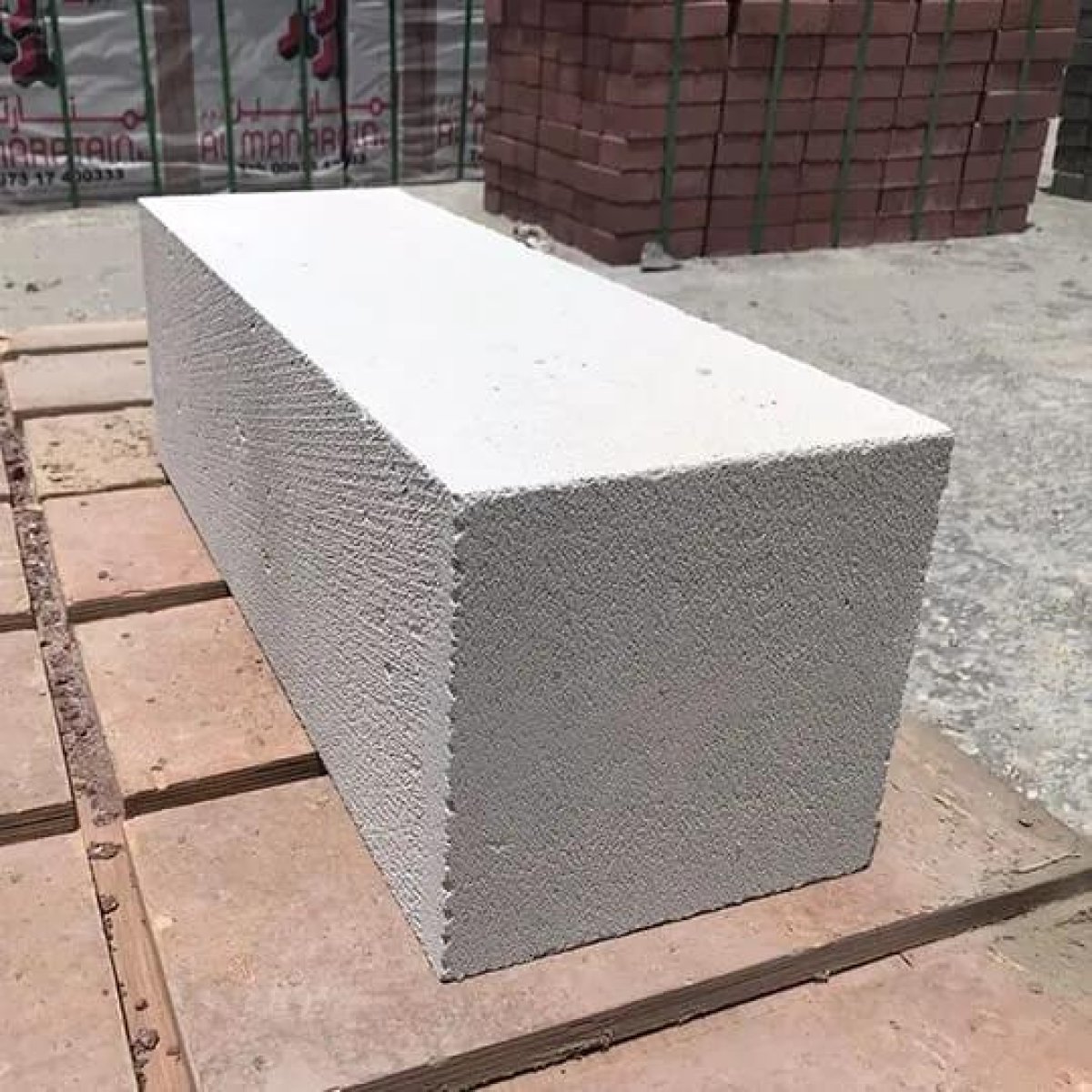
Common Types (Shown Above)
-
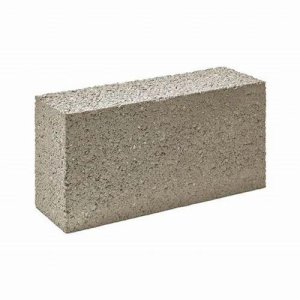
Solid Concrete Block – Used for load-bearing walls and foundations.
-
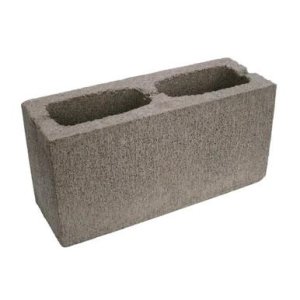
Hollow Concrete Block – Lightweight blocks commonly used for walls and partitions.
-
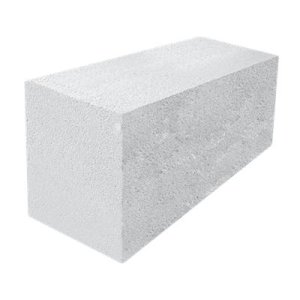
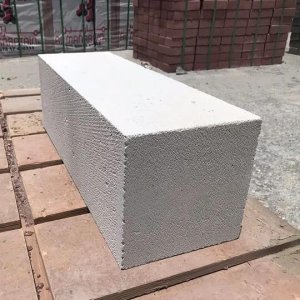
AAC Concrete Block – Lightweight blocks with excellent thermal insulation.
-
Lightweight Concrete Block – Easy to handle and reduces structural load.
-
Interlocking Concrete Block – Designed for quick installation with minimal mortar.