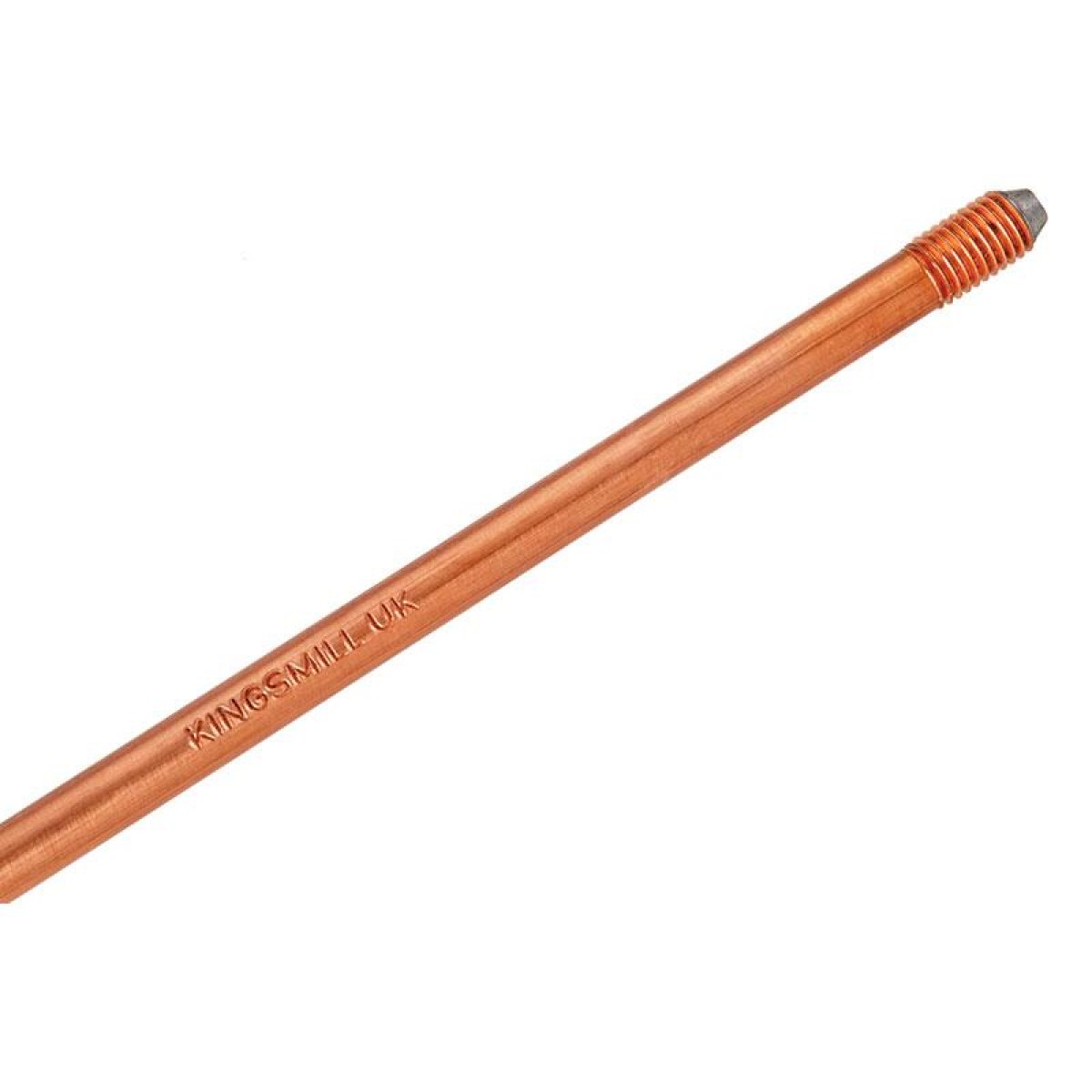
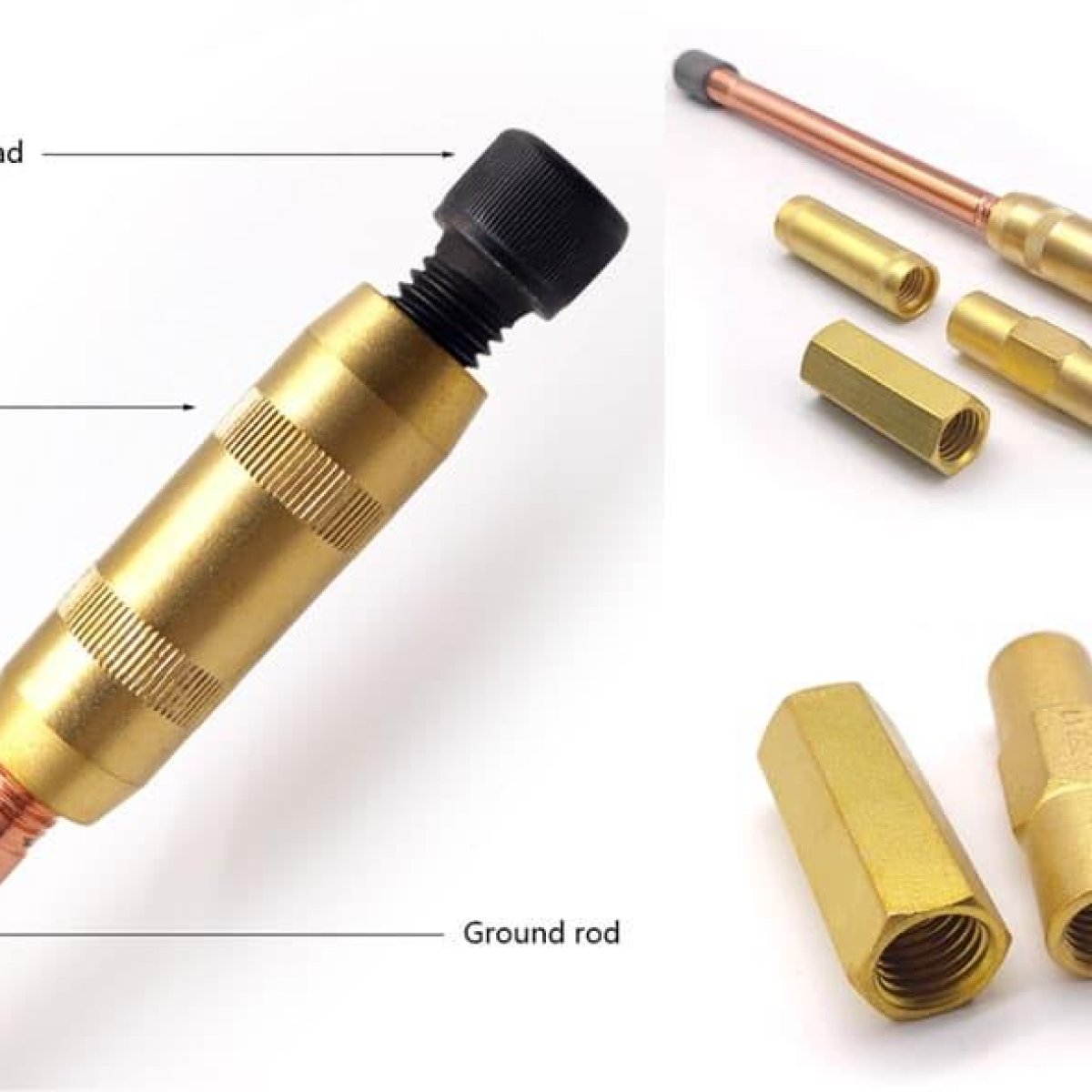
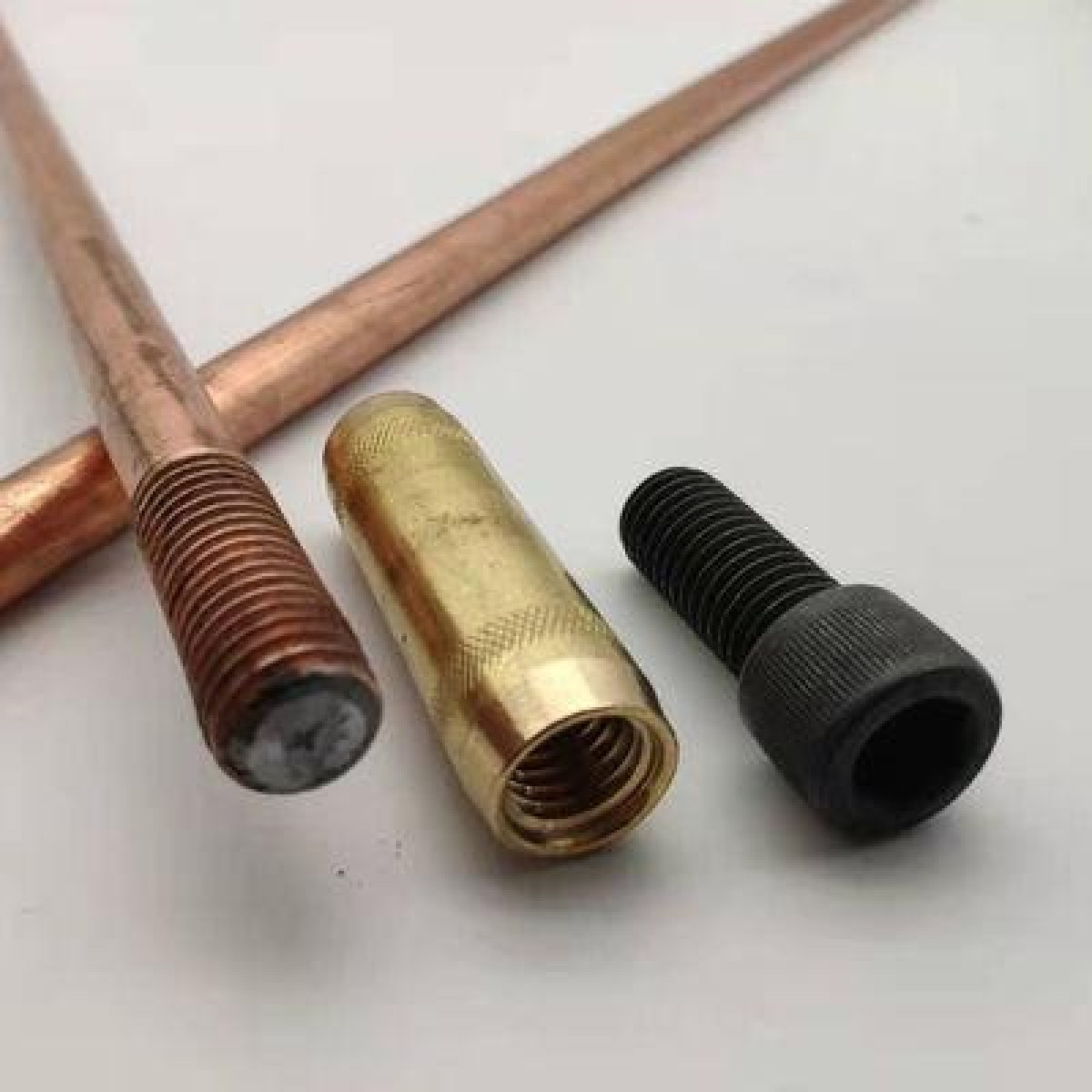
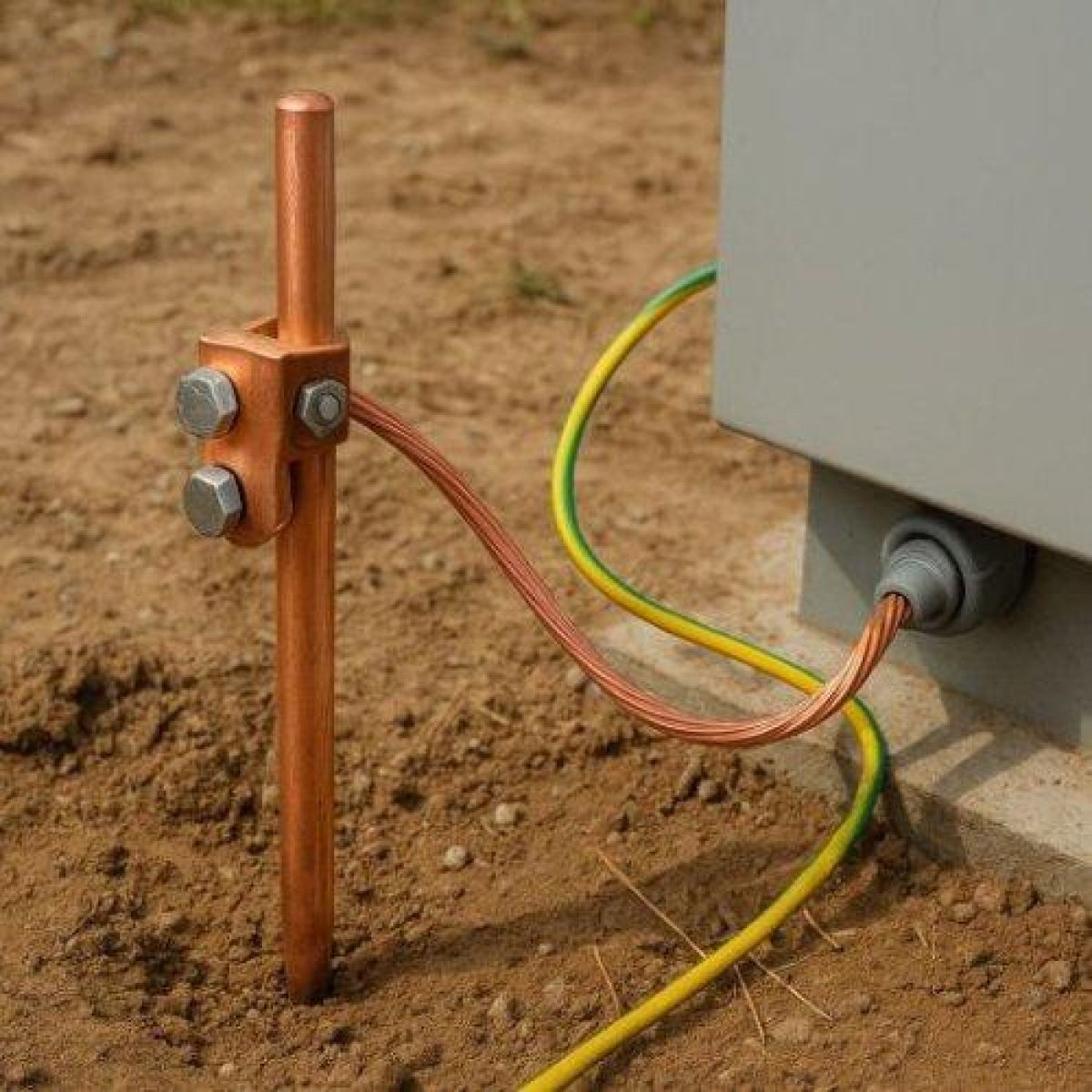
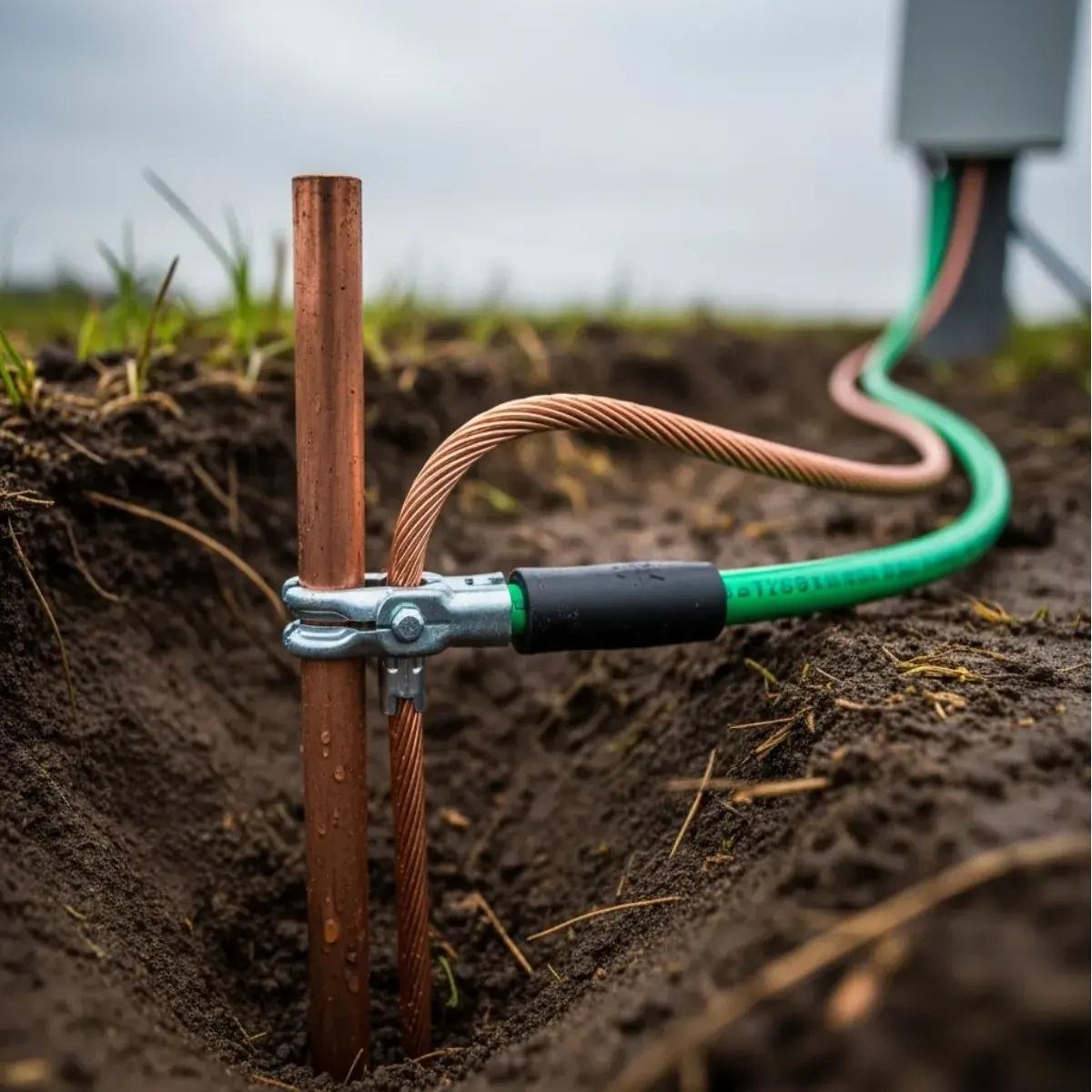
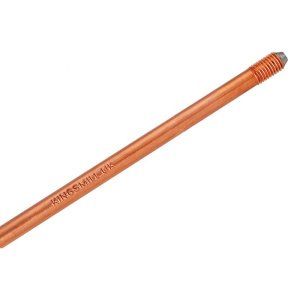
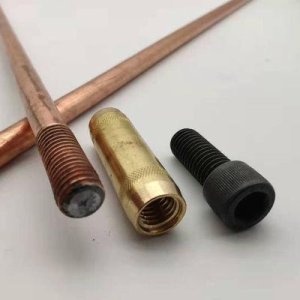
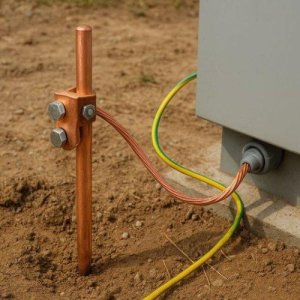
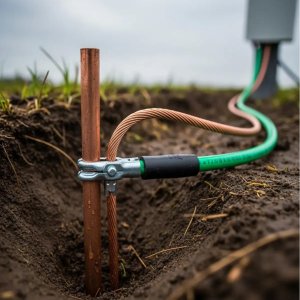
A Copper-Bonded Earth Rod is an electrical grounding electrode made of a high-strength steel core bonded with a layer of copper. It provides a low-resistance path to safely dissipate fault currents and lightning surges into the ground, protecting electrical systems and equipment.
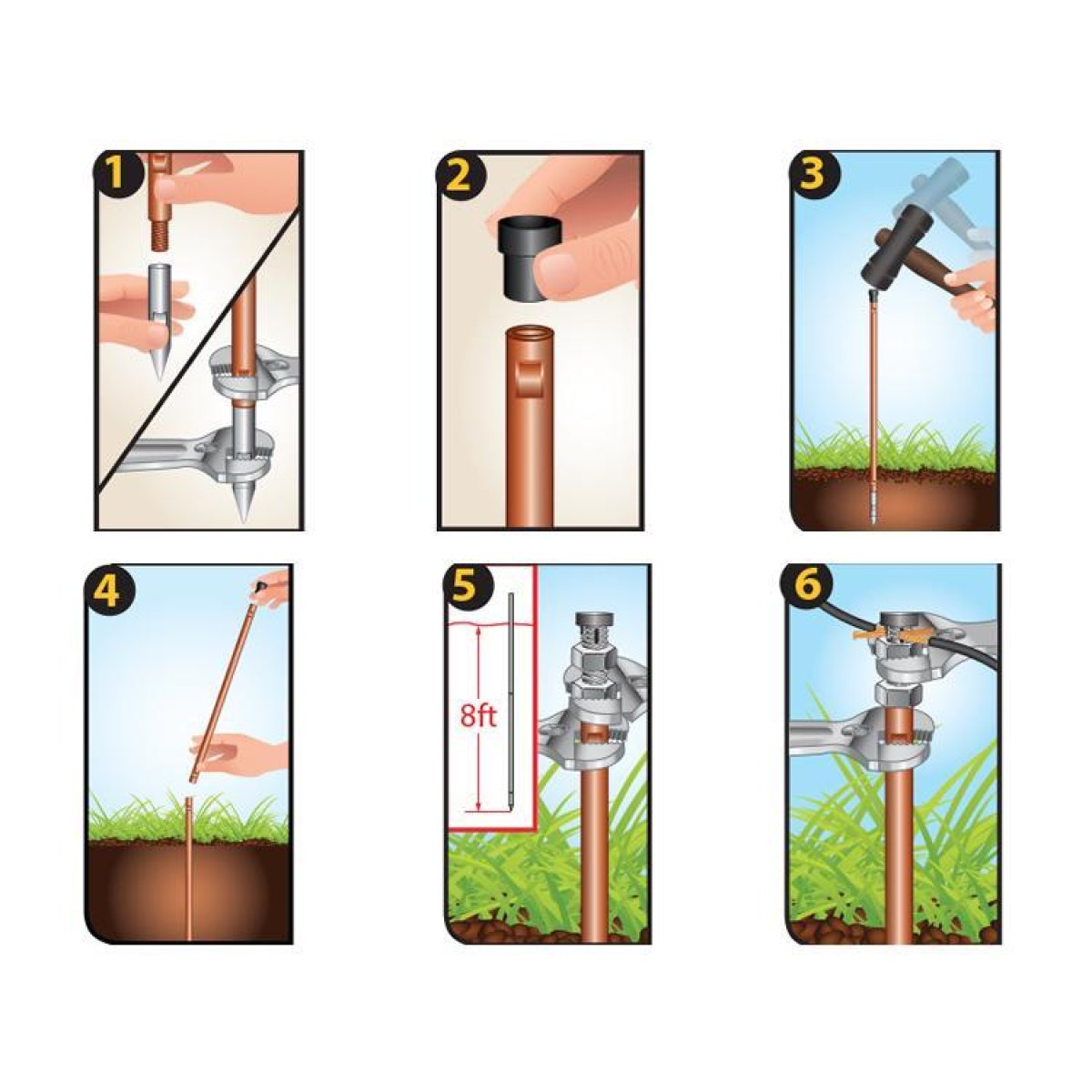
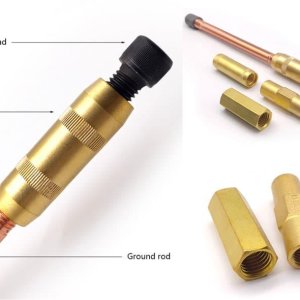
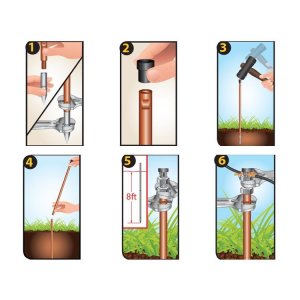
Copper-bonded earth rods are widely used in residential, commercial, industrial, and utility grounding systems. The steel core provides mechanical strength for driving into the ground, while the copper coating offers excellent conductivity and corrosion resistance. They are typically installed with earth clamps, couplings, and driving heads to achieve the required grounding depth and resistance.
Common Types
-
Threaded Copper-Bonded Earth Rod
-
Plain Copper-Bonded Earth Rod
-
Sectional Earth Rod
-
Heavy-Duty Copper-Bonded Earth Rod
-
Pointed Copper-Bonded Earth Rod
Common Features
-
High-strength steel core
-
Uniform molecularly bonded copper coating
-
Excellent electrical conductivity
-
Superior corrosion resistance
-
Threaded ends for extending rod depth
-
Easy installation with couplings and driving heads
-
Long service life in various soil conditions
Common Uses
-
Building grounding systems
-
Lightning protection systems
-
Electrical substations
-
Power distribution networks
-
Telecommunication towers
-
Solar PV grounding
-
Industrial plants
-
Generator and transformer grounding
Advantages
-
Provides low earth resistance
-
Excellent corrosion resistance
-
High mechanical strength
-
Long-lasting performance
-
Easy to extend to greater depths
-
Meets common international grounding standards
Common Materials
-
High-Tensile Steel Core
-
Electrolytic Copper Bonding
-
Brass or Copper Alloy Couplings (accessories)
-
Bronze or Copper Ground Clamps (accessories)