
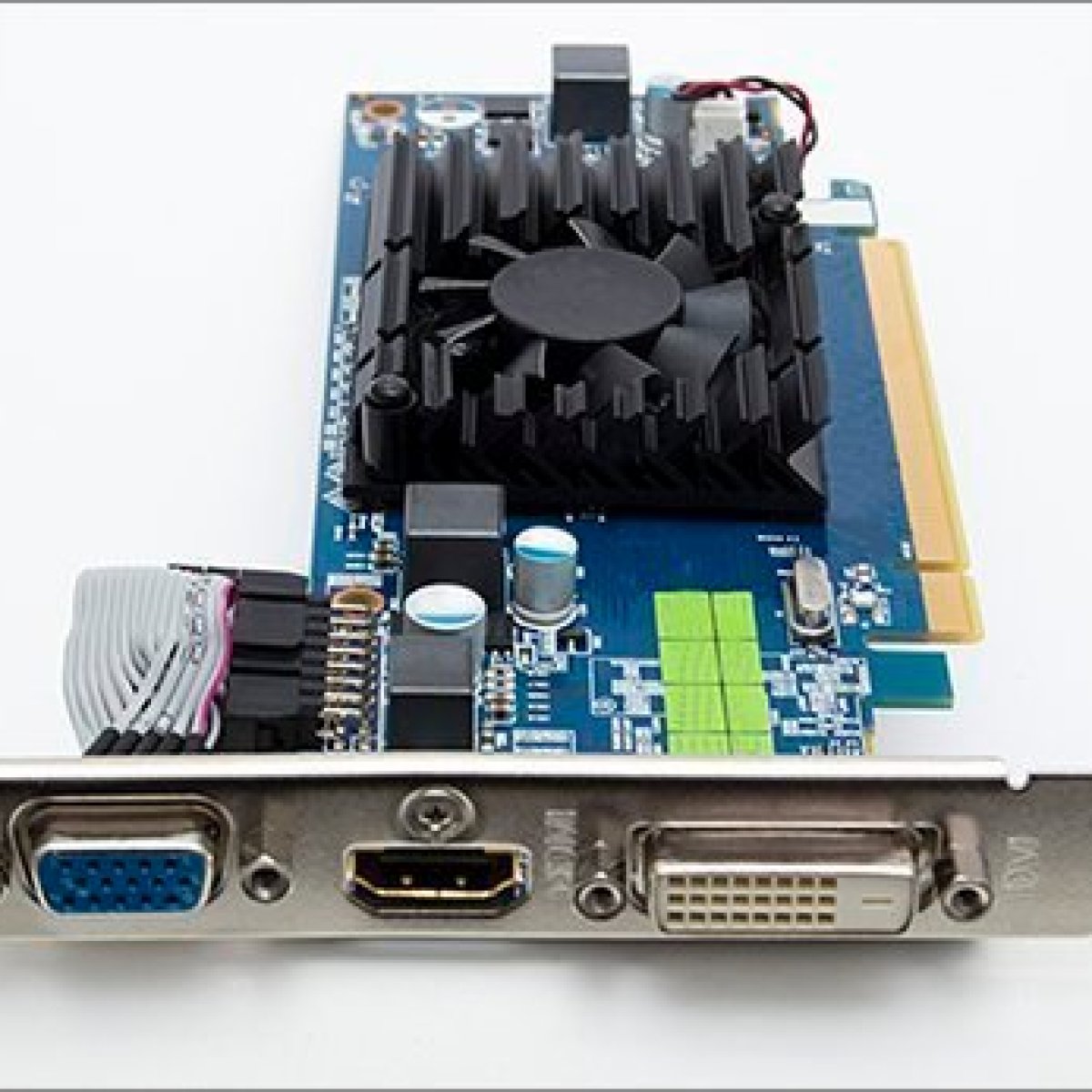
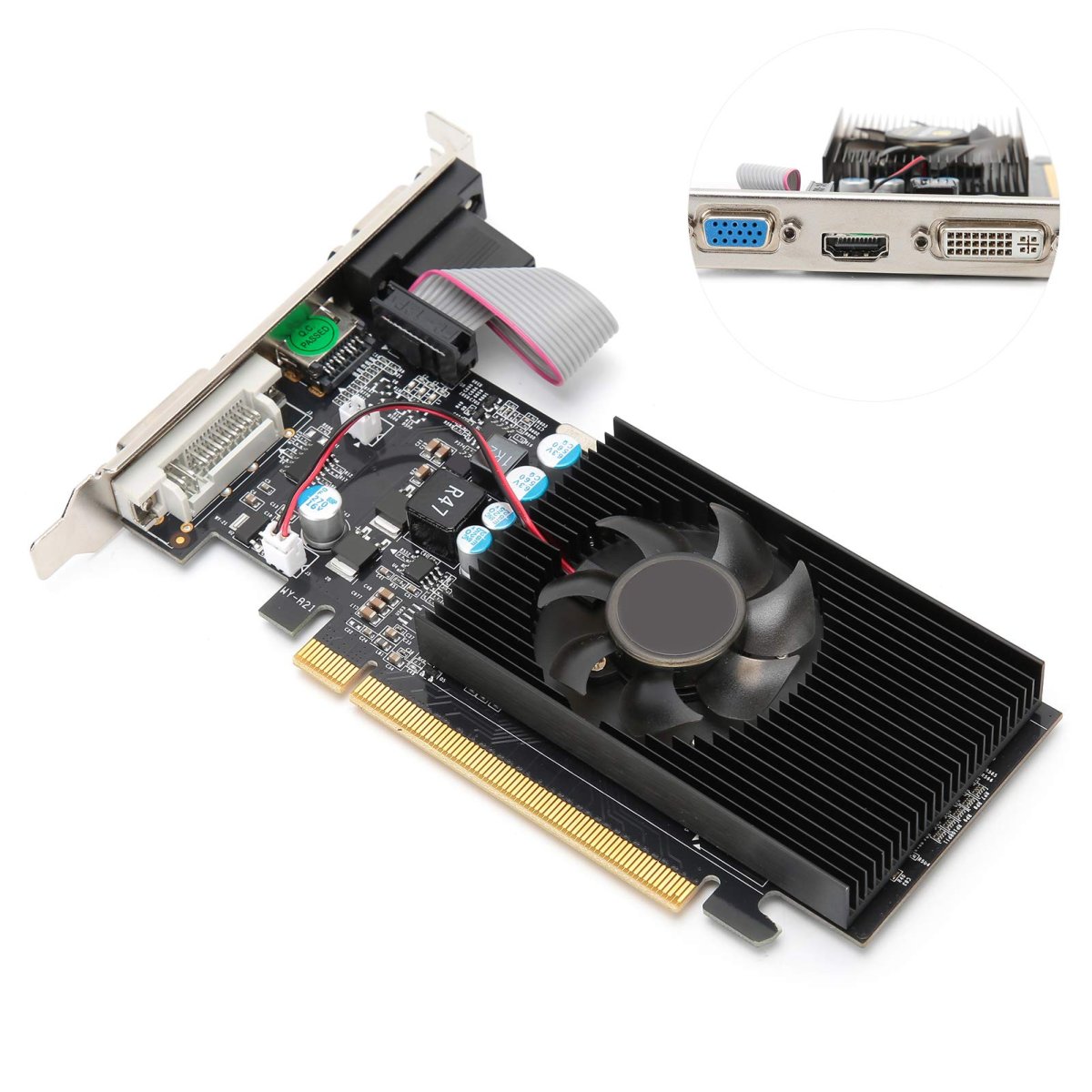
Graphics Memory (VRAM) is a specialized high-speed memory used in graphics cards to store image data, textures, and frame buffers. It ensures smooth rendering, faster processing of visuals, and improved performance in gaming, video editing, and graphic-intensive applications.
Graphics Memory (VRAM), or Video Random Access Memory, is a dedicated memory component integrated into graphics processing units (GPUs). It is specifically designed to handle and store graphical data such as textures, shaders, frame buffers, and rendering information required for displaying images on screen.
Unlike standard system RAM, VRAM operates at significantly higher speeds and is optimized for parallel processing, enabling the GPU to quickly access and manipulate large volumes of visual data. This results in smoother gameplay, faster rendering times, and enhanced performance in high-resolution environments.
VRAM capacity plays a crucial role in determining a system’s ability to handle demanding tasks such as modern gaming, 3D modeling, video editing, and graphic design. Higher VRAM allows for better performance in high-resolution displays (such as 4K and above), multi-monitor setups, and complex visual effects.
Common types of VRAM include GDDR5, GDDR6, and the latest GDDR6X, each offering improved speed, bandwidth, and efficiency. Choosing the right VRAM size and type ensures optimal performance depending on the application, whether for professional workloads or entertainment purposes.
Overall, Graphics Memory (VRAM) is a vital component for any system requiring high-quality visual output, delivering faster processing, reduced lag, and a seamless graphical experience.