
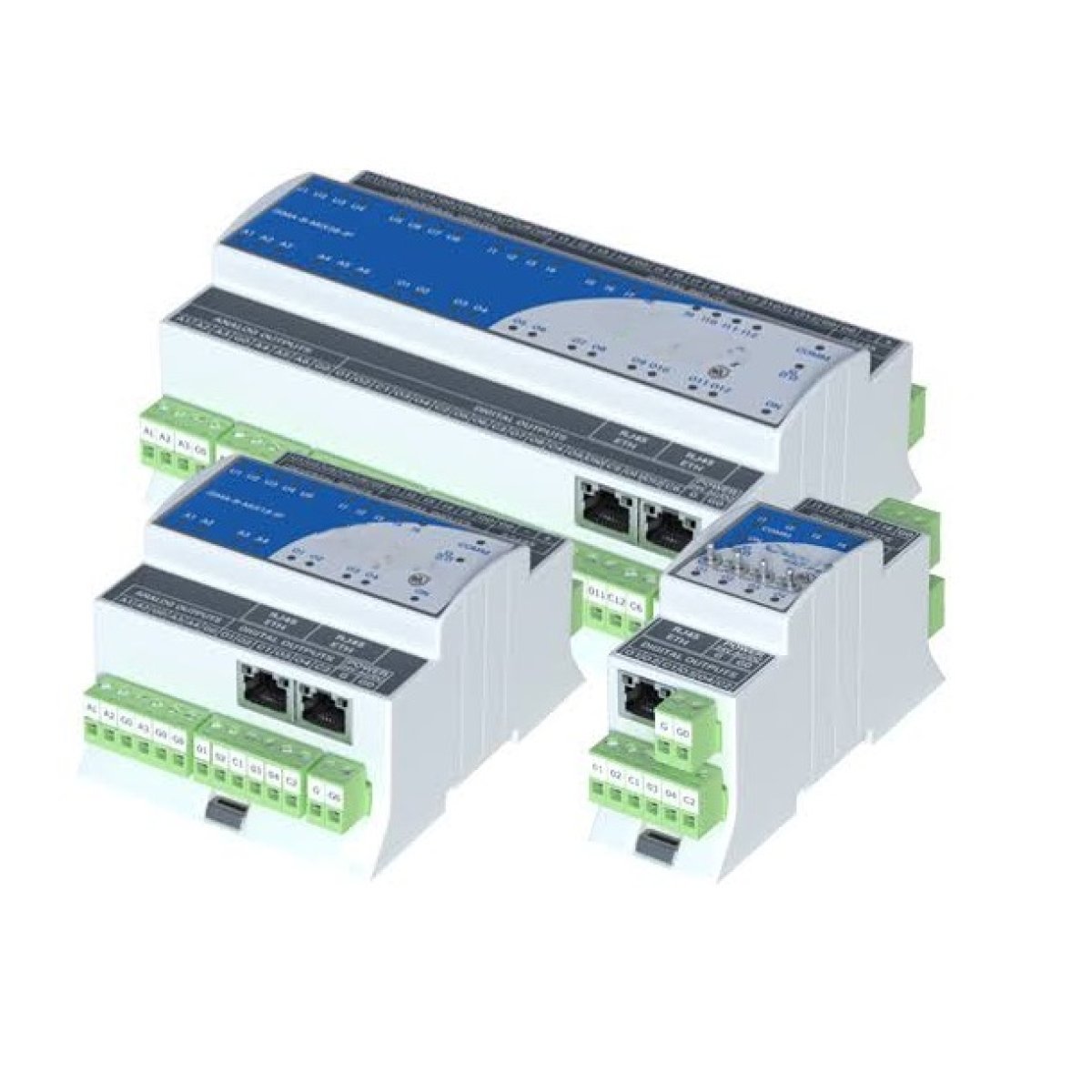
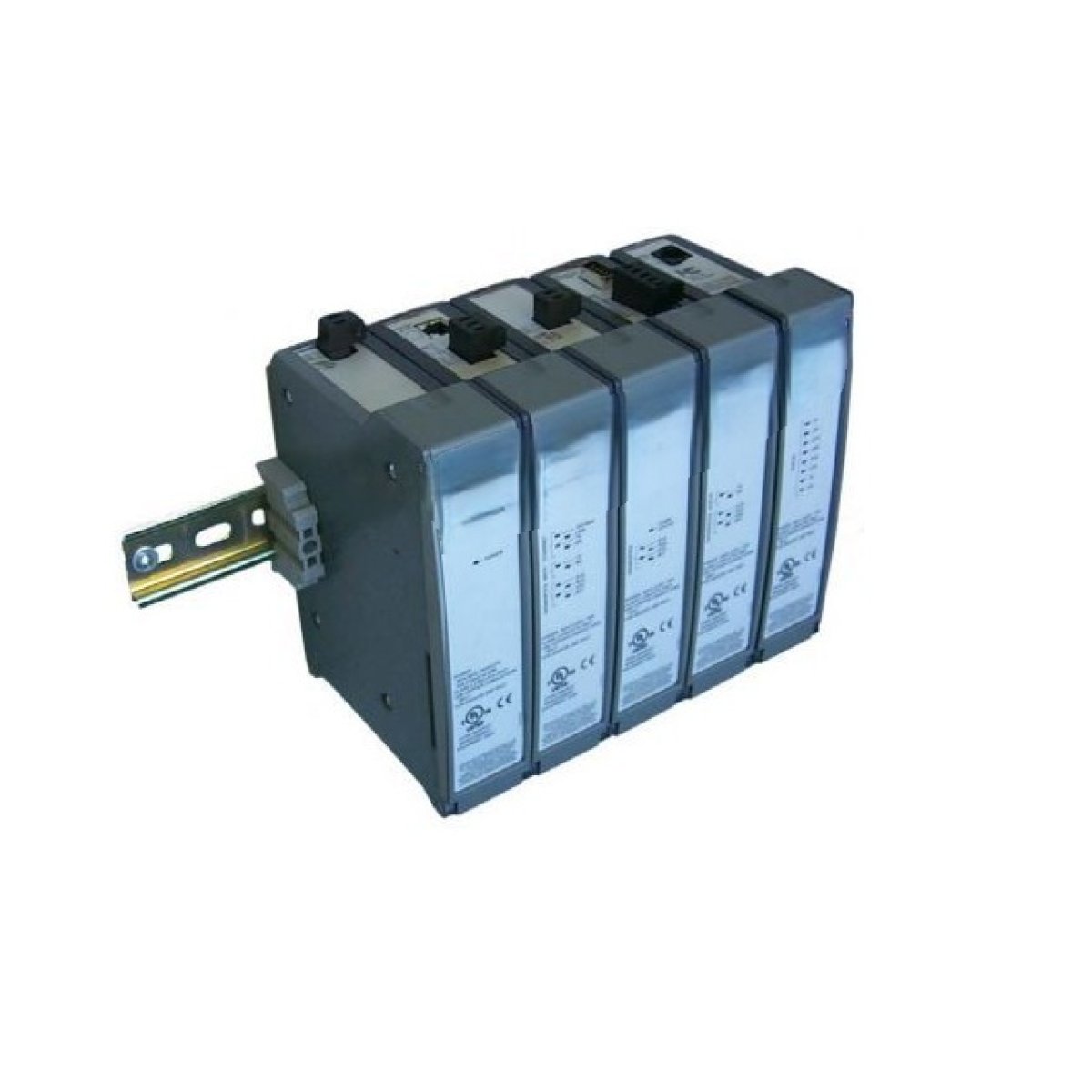
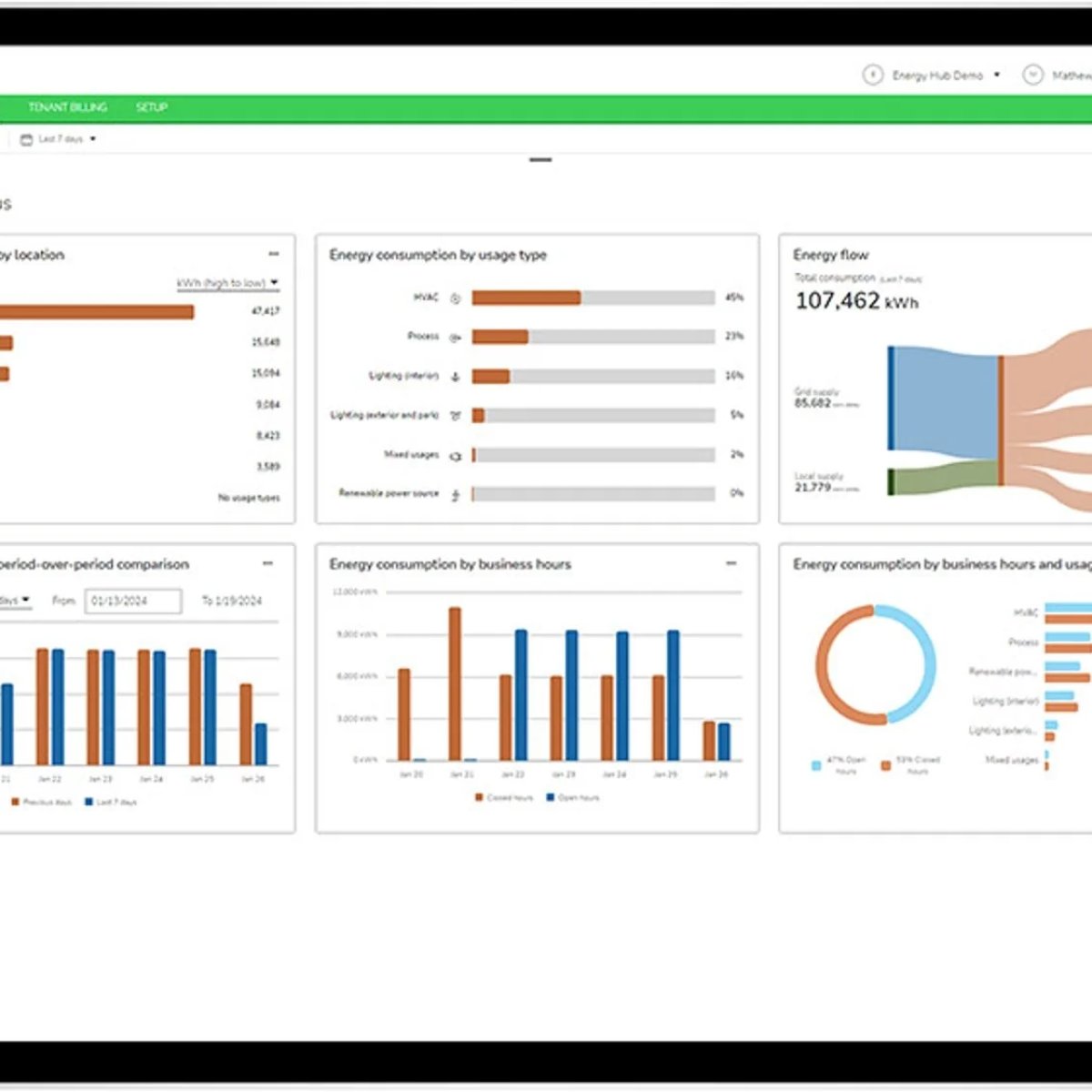
The keys to multi-vendor communication and system scalability.
Integration Drivers are specialized software plug-ins that enable a master BMS to translate and talk to external third-party subsystems (like elevators, generators, or legacy hardware). Licenses act as digital keys, unlocking specific drivers and restricting the volume of data points ($Meters, Nodes, or Points$) the platform is legally and computationally permitted to monitor.
Modern building automation thrives on openness, but software platforms maintain stability, security, and monetization via Drivers and Licenses.
A system integrator cannot simply plug a Modbus power meter or a carrier chiller into a master network controller and expect it to work. First, the controller must have the specific Driver installed to understand that vendor’s unique register map. Second, the controller’s core License must feature a matching cryptographic key that permits that driver to run and allows enough "point capacity" to ingest the new data streams.
What is an Integration Driver?
An integration driver is a software abstraction layer. It maps foreign, proprietary, or open registers into standard, uniform objects inside the BMS database.
Open-Protocol Drivers: Standardized packages built into most master platforms right out of the box. These include BACnet/IP, BACnet MS/TP, Modbus TCP, Modbus RTU, and LonWorks.
Proprietary/Legacy Drivers: Custom software built to unlock legacy, vendor-locked equipment without ripping out the physical hardware. Examples include drivers for old Johnson Controls N2 networks, Siemens FLN, or automated lighting grids like Lutron or Helvar DALI.
IoT & Cloud Drivers: Modern API-driven connectors that bridge edge controllers with high-level software, translating data into protocols like MQTT, LoRaWAN, HTTP JSON, or direct connections to web services like Google UDMI.