
Scalable hardware to expand your system's sensory and control capacity.
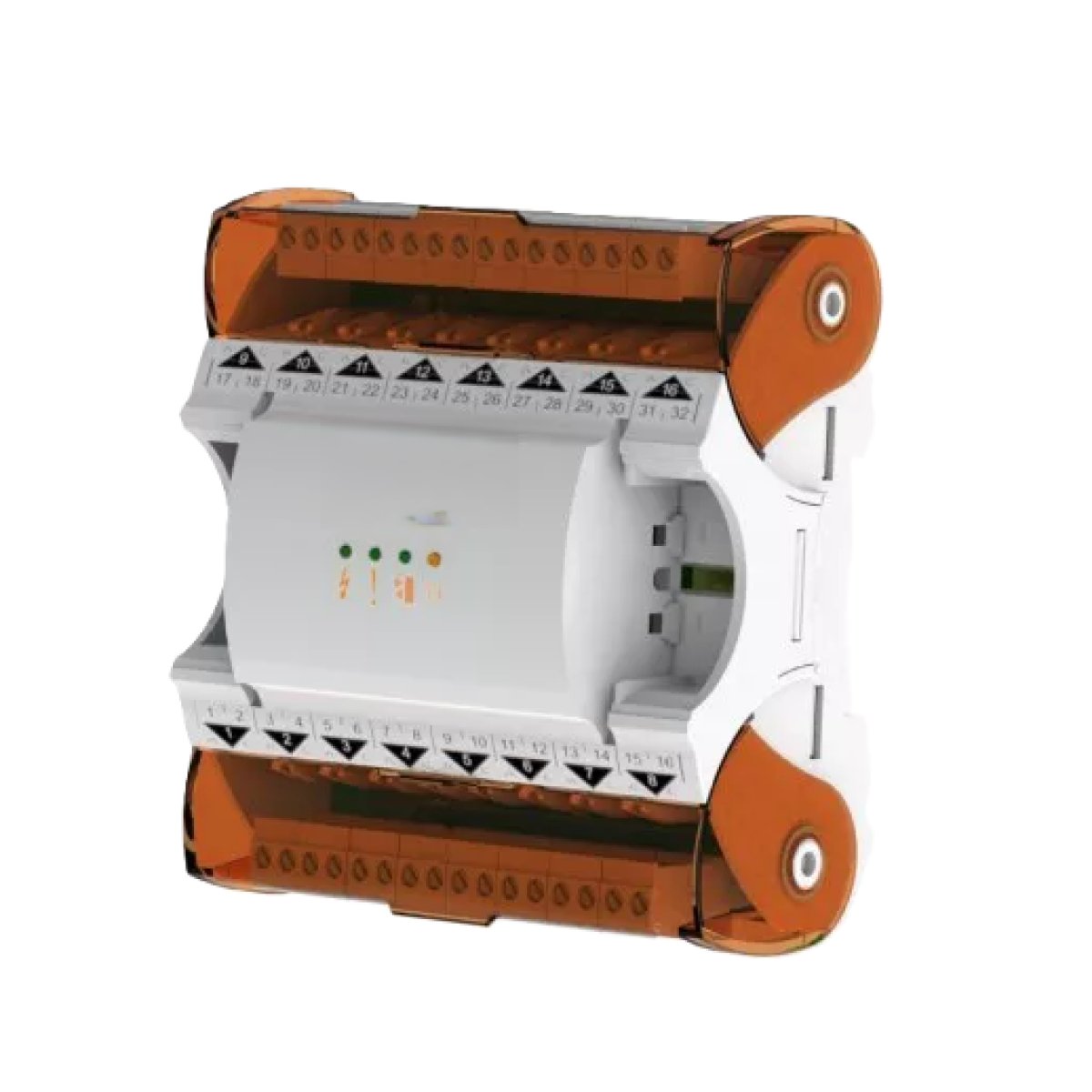
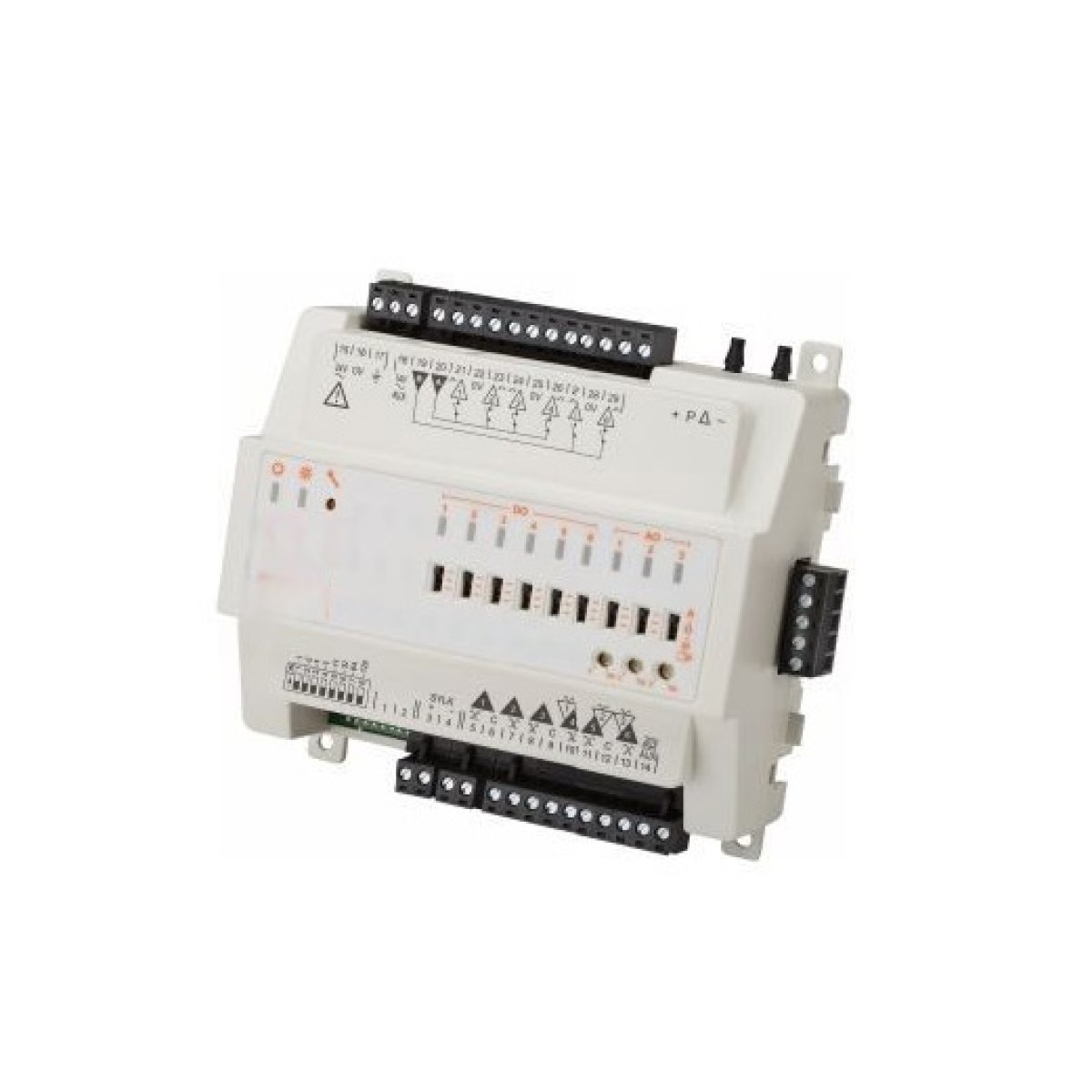
I/O Expansion Modules add extra input and output channels to existing PLCs, DDCs, or embedded controllers. They allow automation systems to scale seamlessly, accommodating more sensors, switches, and motorized equipment as facility or factory requirements grow.
Every automation project begins with a specific count of field devices—switches that need reading, motors that need starting, and sensors that need monitoring. However, industrial and building environments are dynamic. When a factory adds a new conveyor belt or a building adds a new HVAC zone, the existing controller often lacks the physical terminals to wire them in.
I/O Expansion Modules solve this by acting as "plug-in" channel multipliers. They mount right next to the main controller on a DIN rail, connecting via an integrated side-bus or a digital network cable, instantly giving the master CPU more "eyes, ears, and hands" in the field.
Common Types of Expansion Modules
Expansion modules are highly specialized, allowing engineers to mix and match the exact types of signals their project demands:
Digital/Binary Input Modules: Add channels to read simple on/off states, such as limit switches, push-buttons, proximity sensors, or safety interlocks.
Digital/Binary Output Modules: Add channels to send on/off commands to relays, solenoid valves, indicator lights, or motor starters.
Analog Input Modules: Add channels to read variable, continuous signals (e.g., 4–20mA, 0–10V) from precision devices like pressure transducers, flow meters, and ultrasonic level sensors.
Analog Output Modules: Add channels to send variable control signals to modulate devices like variable frequency drives (VFDs) or proportional control valves.
Specialty Modules: * RTD/Thermocouple Modules: Specifically designed to read low-voltage signals directly from temperature probes without needing external signal conditioners.
High-Speed Counter Modules: Designed to track ultra-fast pulses from rotational encoders or flow meters that the standard CPU scan cycle might miss.
Connection Architecture
Depending on the system design, expansion modules connect to the main controller in one of two ways:
Local I/O Expansion: The modules snap directly onto the side of the main controller using a proprietary backplane bus. They share the same physical enclosure and power supply.
Remote/Distributed I/O Expansion: The modules are placed in a completely separate control panel near the actual machinery (hundreds of feet away). They talk back to the main CPU over an industrial network cable using protocols like Ethernet/IP, Profinet, or Modbus TCP. This drastically cuts down on the amount of expensive field wiring that needs to be run back to the main control room.
Key Advantages
Cost-Efficiency: Instead of buying an expensive new controller when you run out of pins, you simply buy a lower-cost expansion module.
Reduced Wiring Costs: Distributed remote I/O modules allow you to terminate sensor wires locally near the machine, running just a single network cable back to the main controller.
Future-Proofing: Systems can be designed with empty space on the DIN rail, allowing facilities to expand their automation footprint years down the line with minimal disruption.
Simplified Maintenance: Most modern expansion modules feature removable terminal blocks and hot-swapping, allowing a damaged module to be replaced quickly without rewiring every single sensor.