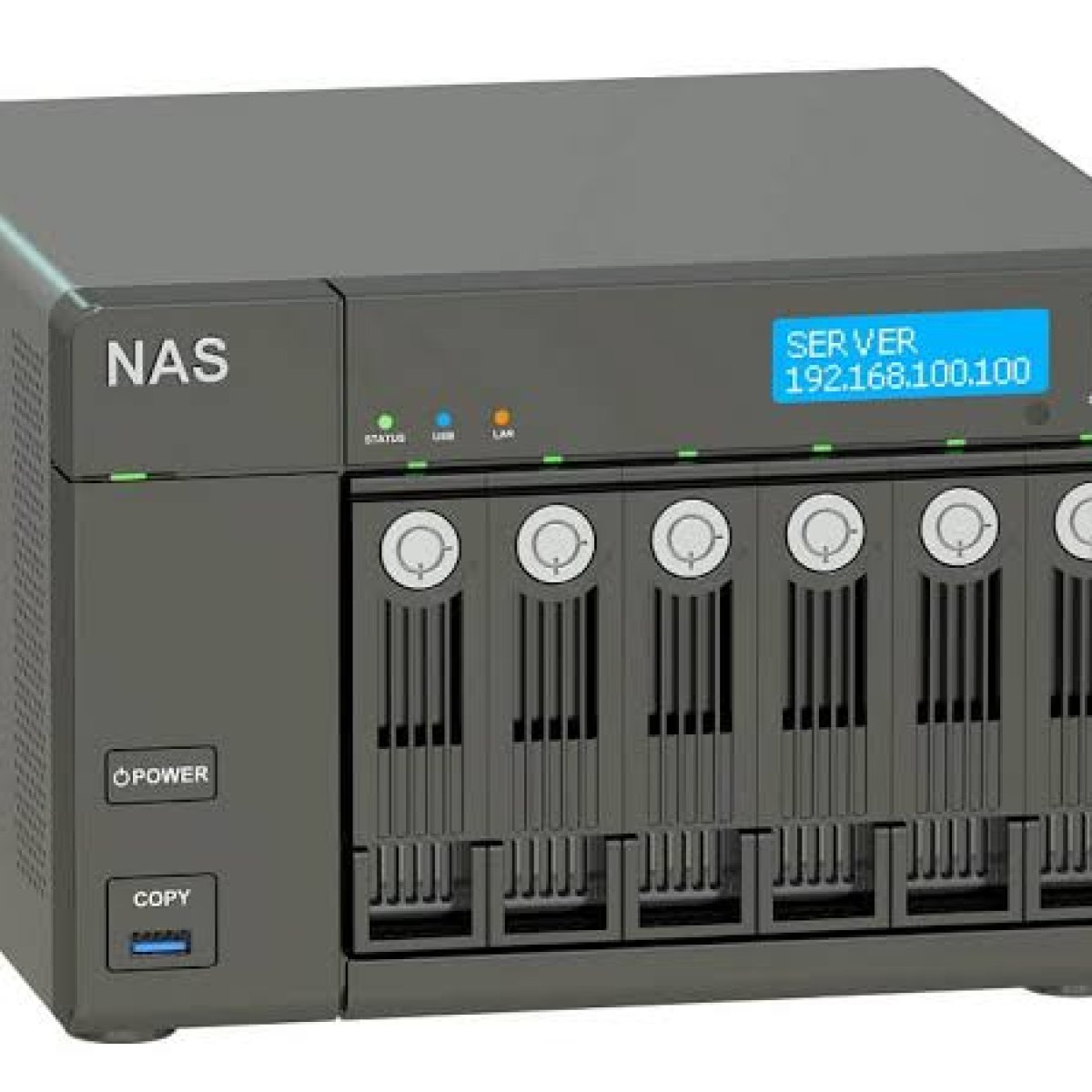
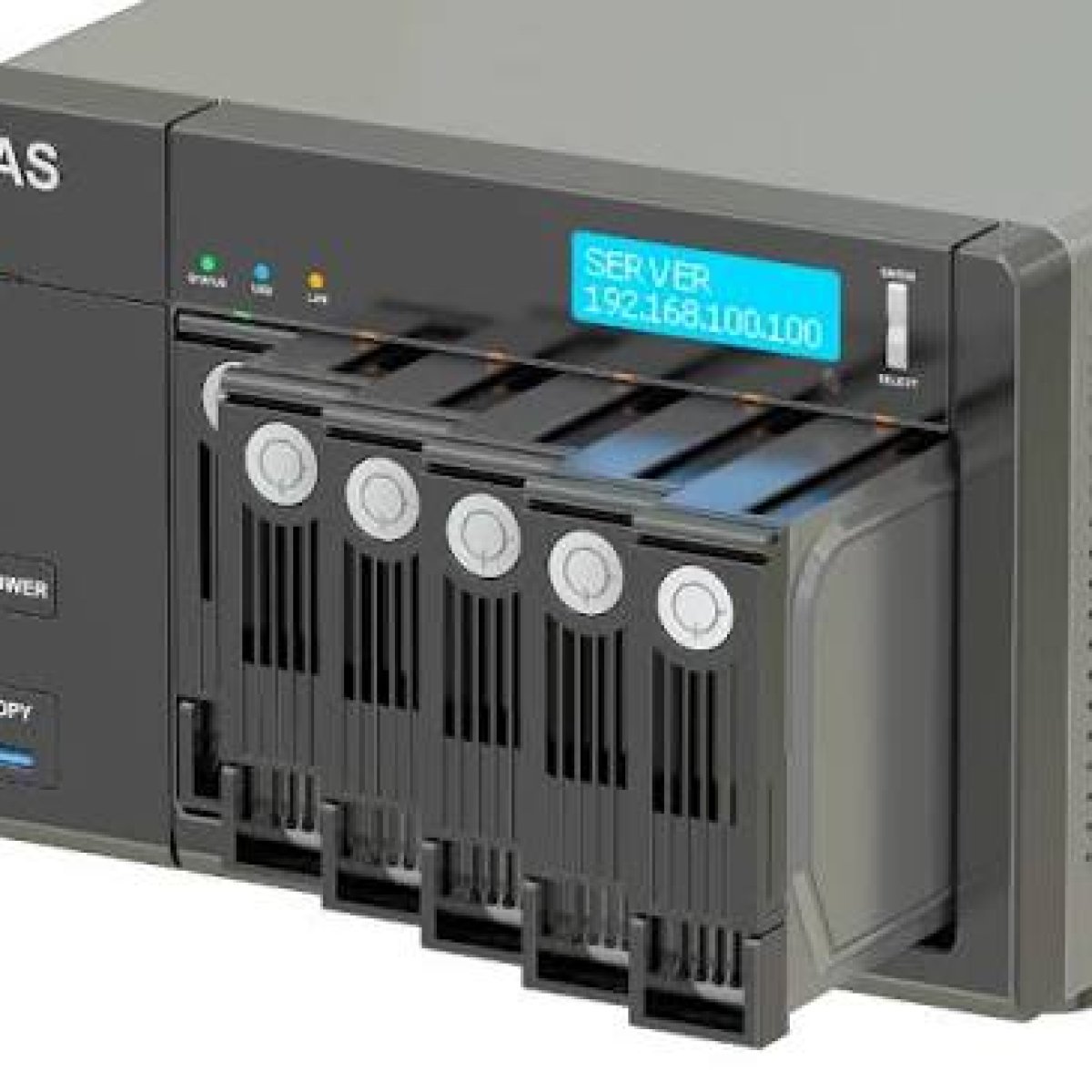
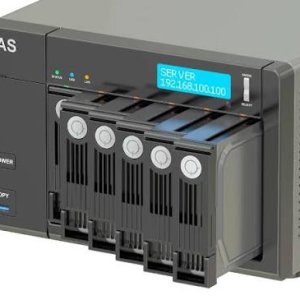
Network Attached Storage (NAS) is a dedicated storage device connected to a network that allows multiple users and devices to store, access, and share data from a centralized location.
Network Attached Storage (NAS) is a specialized data storage solution that connects directly to a local network, enabling multiple users and devices to store, access, and manage files from a centralized system. Unlike traditional external hard drives, NAS operates independently with its own operating system and is accessible over a network via Ethernet or Wi-Fi.
NAS devices are widely used in homes, offices, and enterprise environments for file sharing, data backup, media streaming, and collaboration. They support various storage configurations, including RAID (Redundant Array of Independent Disks), which enhances data protection and performance by distributing data across multiple drives.
Modern NAS systems offer advanced features such as remote access, automated backups, user access control, cloud synchronization, and multimedia streaming capabilities. This makes them ideal for securely storing large volumes of data, including documents, images, videos, and business-critical files.
NAS solutions are scalable, allowing users to expand storage capacity by adding more drives as needed. They also provide enhanced data security through encryption and redundancy, reducing the risk of data loss.
Overall, Network Attached Storage (NAS) is a reliable and efficient solution for centralized data management, offering convenience, flexibility, and secure access for both personal and professional use.