
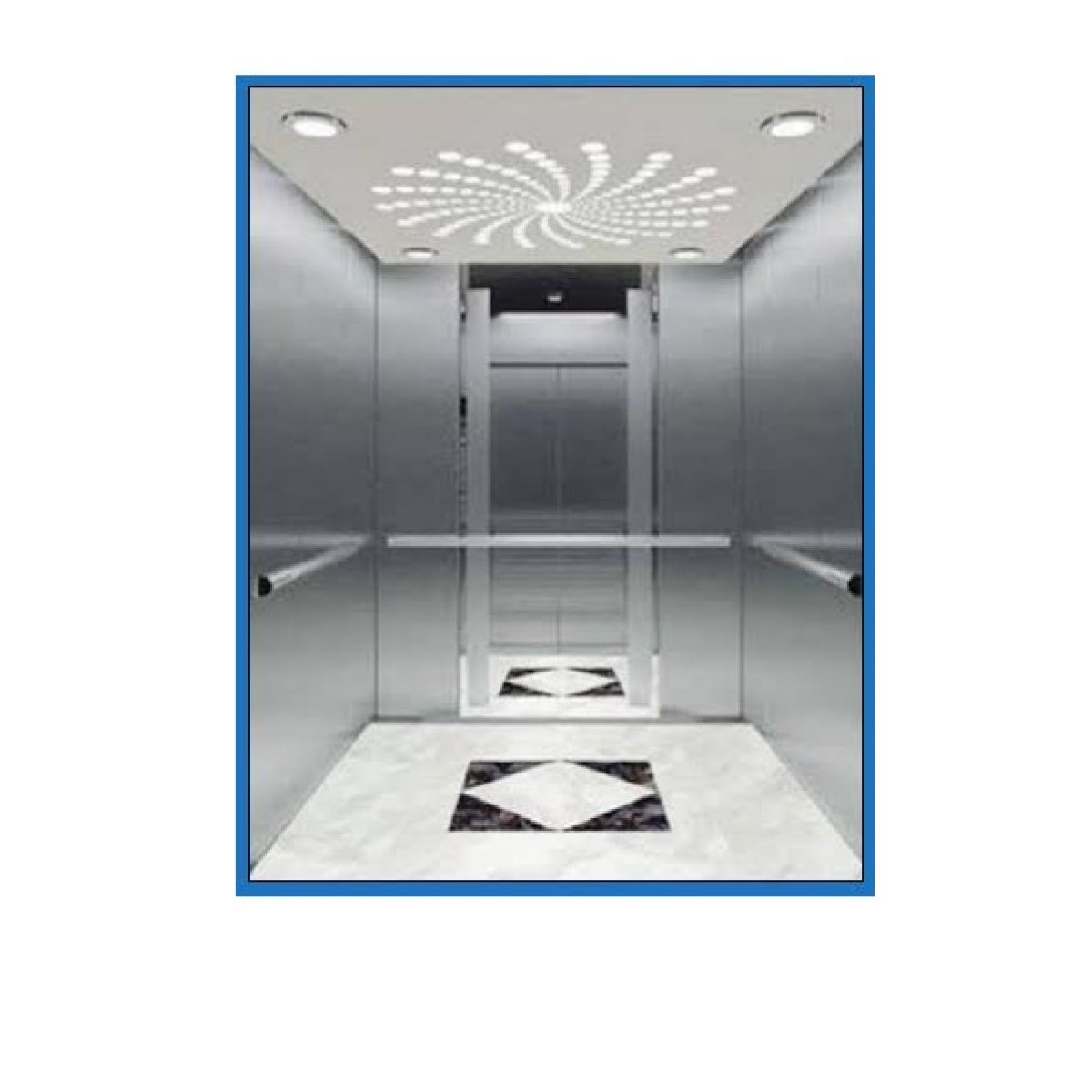
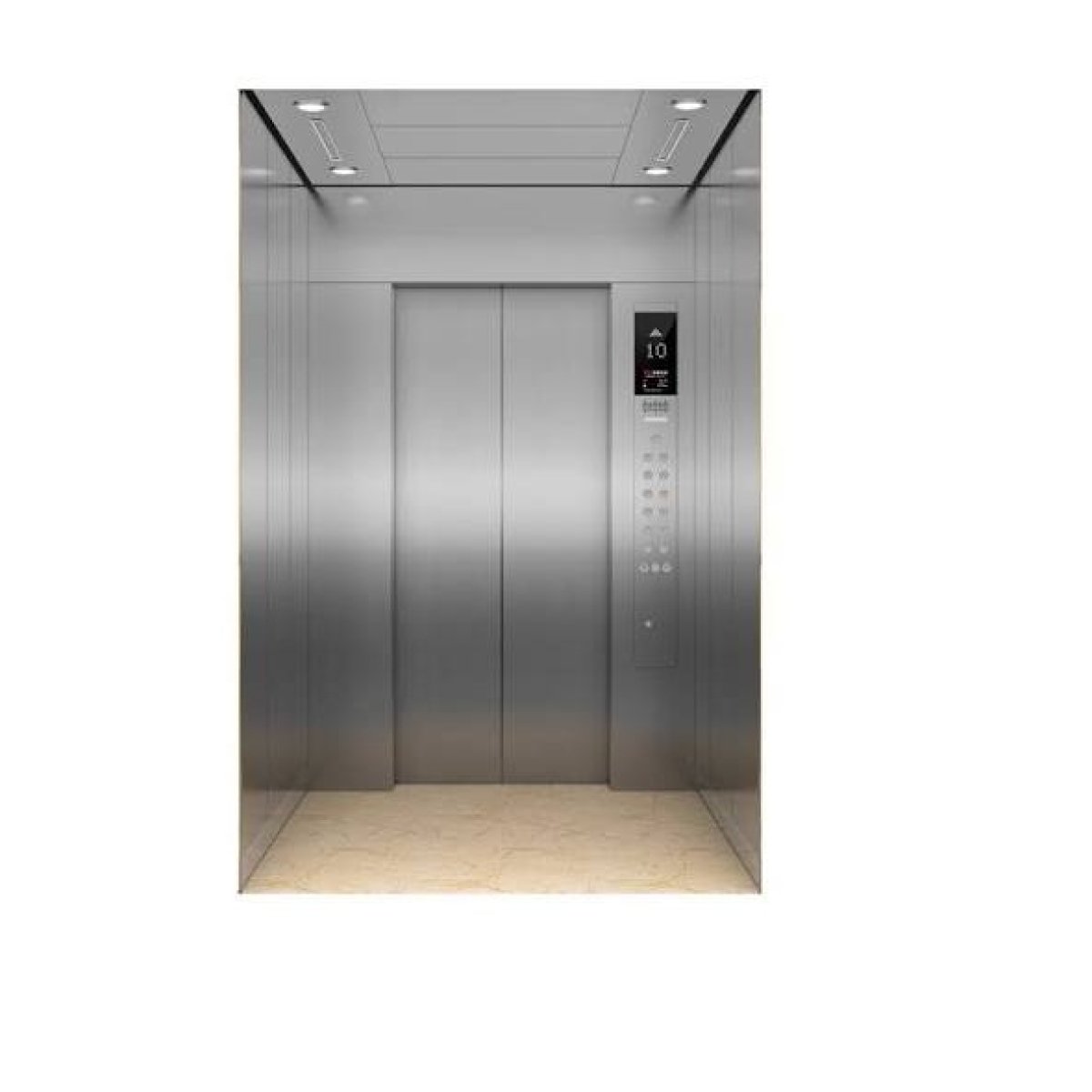
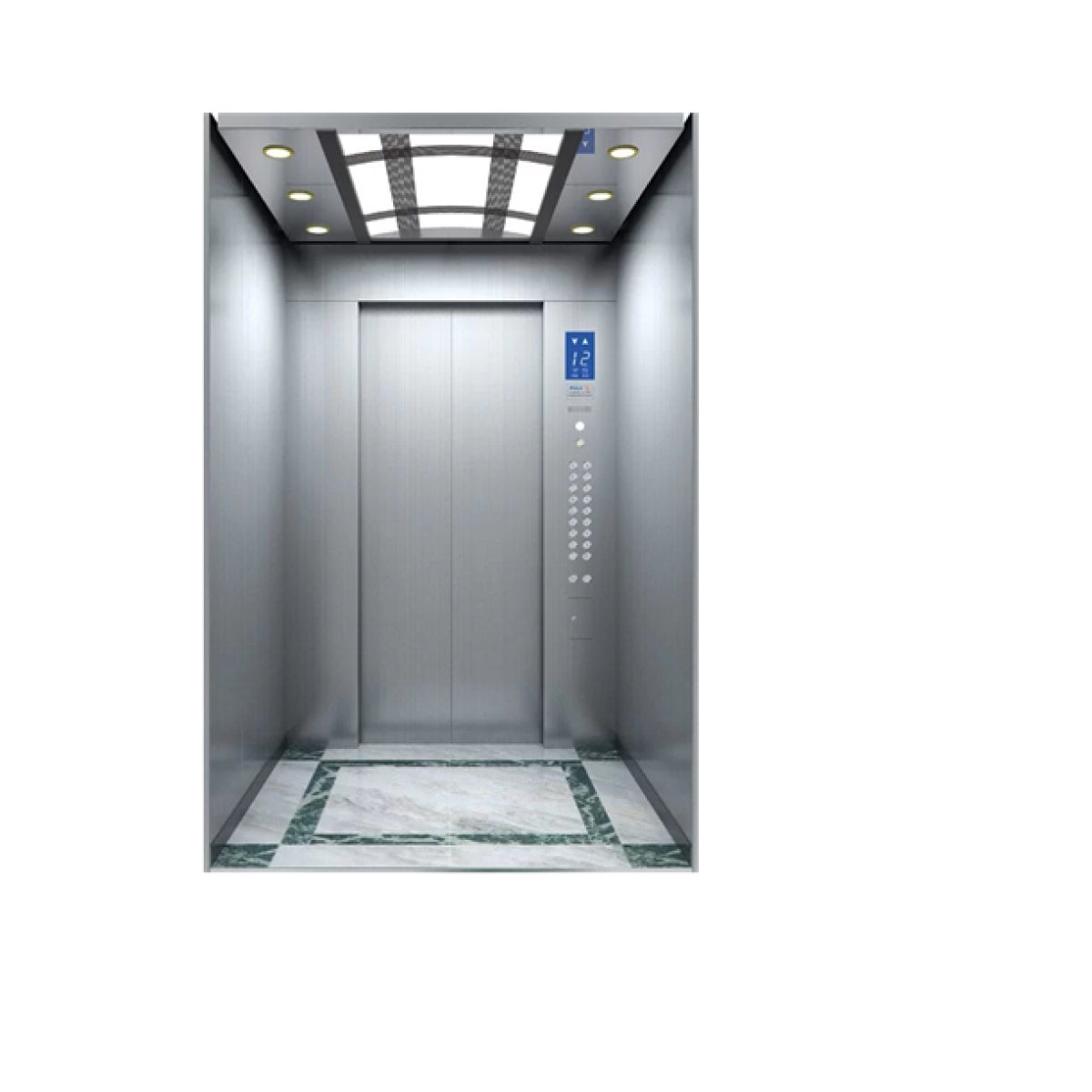
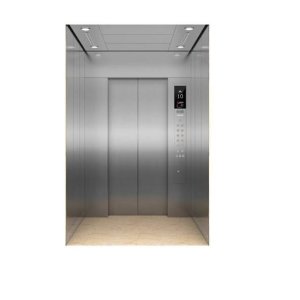
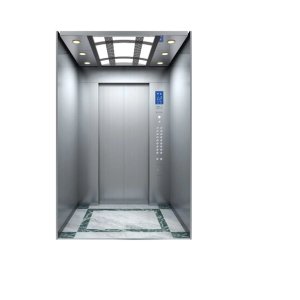
A Passenger Lift (Elevator) is a specialized vertical transport system engineered to safely and efficiently move people between the floors of a building. Operating primarily through either electric traction or hydraulic propulsion networks, modern passenger lifts rely on integrated microprocessor control systems, variable-frequency drives, and multi-layered mechanical safety systems to optimize traffic flow, minimize waiting times, and guarantee passenger ride comfort.
1. Core Propulsion Methodologies
Passenger lifts are engineered around two distinct mechanical architectures, selected based on the building’s vertical height, speed demands, and structural structural layout.Traction Elevators (Geared & Gearless)
The industry standard for mid-to-high-rise structures. The elevator car is suspended by steel hoisting ropes or high-friction polyurethane belts wrapped around a drive sheave connected to an electric motor. A heavy counterweight balances the mass of the car plus roughly $40\%$ to $50\%$ of its rated passenger capacity.
Geared Traction: The motor turns a high-speed worm-and-wheel gear reduction unit that drives the sheave. Max speeds generally top out around $1.5 \text{ to } 2.5\text{ m/s}$, making them ideal for mid-rise structures.
Gearless Traction: The drive sheave is mounted directly to the shaft of a low-speed, high-torque Permanent Magnet Synchronous Motor (PMSM). By eliminating the gearbox, these systems achieve incredible energy efficiency, exceptionally smooth acceleration curves, and speeds exceeding $20\text{ m/s}$ in supertall skyscrapers.
Hydraulic Elevators
Commonly deployed in low-rise applications ($2 \text{ to } 5 \text{ floors}$). The car is pushed from below by a heavy-duty steel piston (plunger) traveling inside a fluid-filled cylinder. An electric pump forces hydraulic oil into the cylinder to raise the car; gravity and an electronically regulated valve allow the fluid to drain back into a reservoir to lower the car. They have low travel speeds (up to $1\text{ m/s}$) but feature lower upfront structural costs since they do not require overhead hoistways.
2. Structural & Safety Components
Because elevators carry human lives, they incorporate overlapping mechanical and electrical safety systems designed to prevent free-fall or structural collisions under any failure scenario.
The Governor & Safety Wedges: An independent overspeed detection system. A dedicated steel governor rope spins a mechanical flywheel as the car travels. If the car exceeds a pre-set velocity threshold (e.g., due to a rare hoisting line snap), centrifugal force throws a latch inside the governor, stopping the rope. The halting rope instantly pulls a mechanical lever beneath the elevator car, driving hardened steel safety wedges into the vertical guide rails, mechanically clamping the car to a dead stop within inches.
Variable-Voltage, Variable-Frequency (VVVF) Drives: Modern lift motors do not run on simple on/off switches. A solid-state VVVF drive modulates the frequency and voltage of the electrical current feeding the motor. This allows for precision torque adjustment, ensuring smooth acceleration, millimetric leveling at floor thresholds, and soft deceleration that eliminates the "stomach-drop" sensation for occupants.
Door Interlock Networks: The elevator doors feature both physical and electrical interlocks. The car cannot draw traction power or move away from a floor unless every single landing door along the hoistway is fully closed and mechanically locked, preventing passengers from stepping into an open shaft.
3. Enterprise Dispatching & Traffic Management
In massive commercial hubs, coordinating multiple elevator cabs to move thousands of people during morning peaks requires complex algorithmic logic.Conventional Collective Control
The traditional method where a passenger presses an "Up" or "Down" button on the wall. When a car arrives, they step inside and register their specific floor destination on the car operating panel (COP).
Inefficiency: The system lacks advanced data. If ten people on different floors want to go up, the system cannot optimize which car stops where, leading to frequent stops, long transit delays, and crowded elevator cars.
Destination Dispatch Systems (DDS)
The modern enterprise operational standard. Passengers do not press up/down buttons. Instead, they enter their specific destination floor on a digital touchscreen kiosk out in the main building lobby before entering the elevator bank.
The DDS instantly processes the data and instructs the passenger to proceed to a specific elevator cab (e.g., "Go to Car C"). The software groups passengers traveling to the same or adjacent floors into the exact same elevator. This drastically reduces the number of mid-travel stops per run, shortens overall time-to-destination by up to 30% to 40%, eliminates interior cab clutter, and allows building managers to optimize traffic flow during intense morning and afternoon rush hours.