
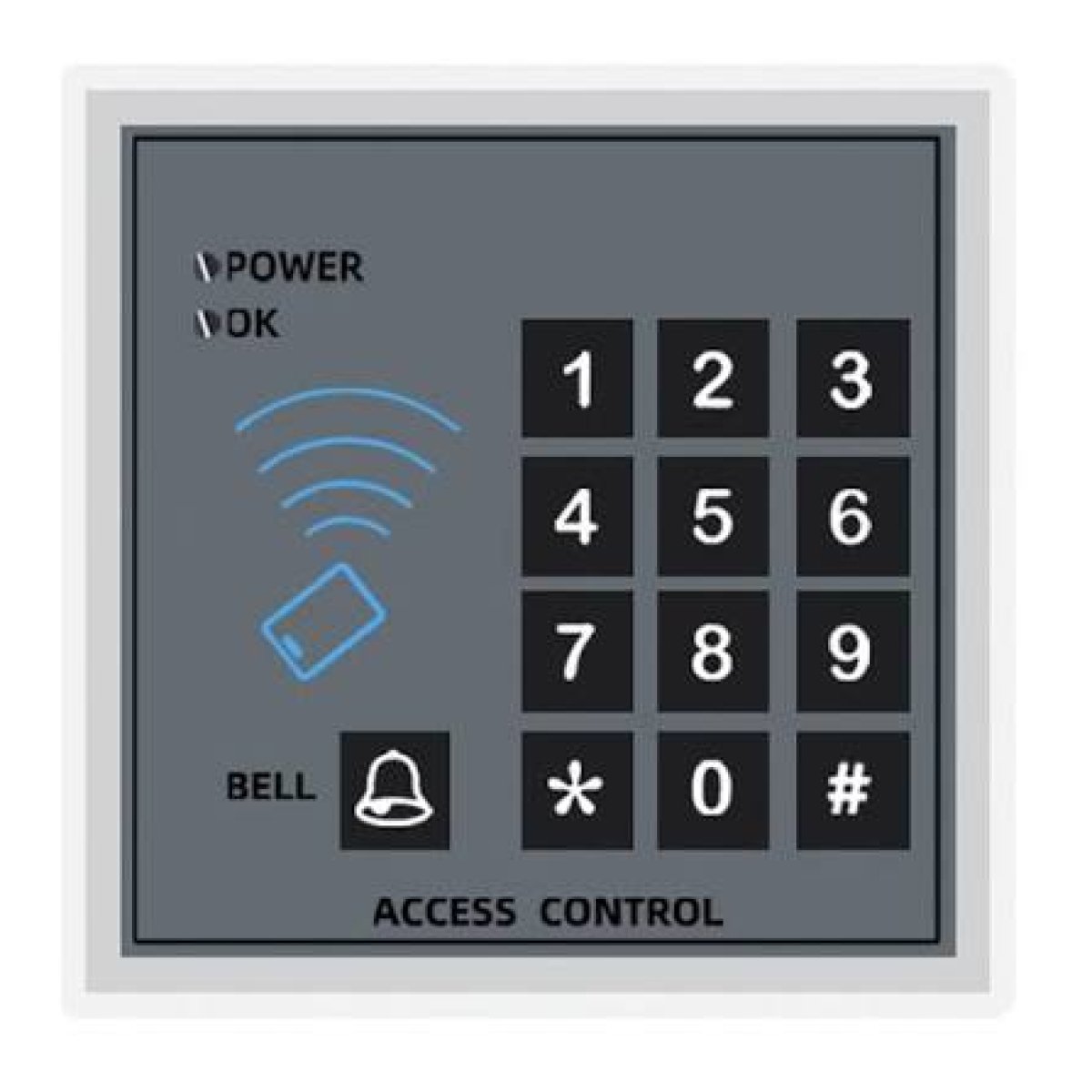
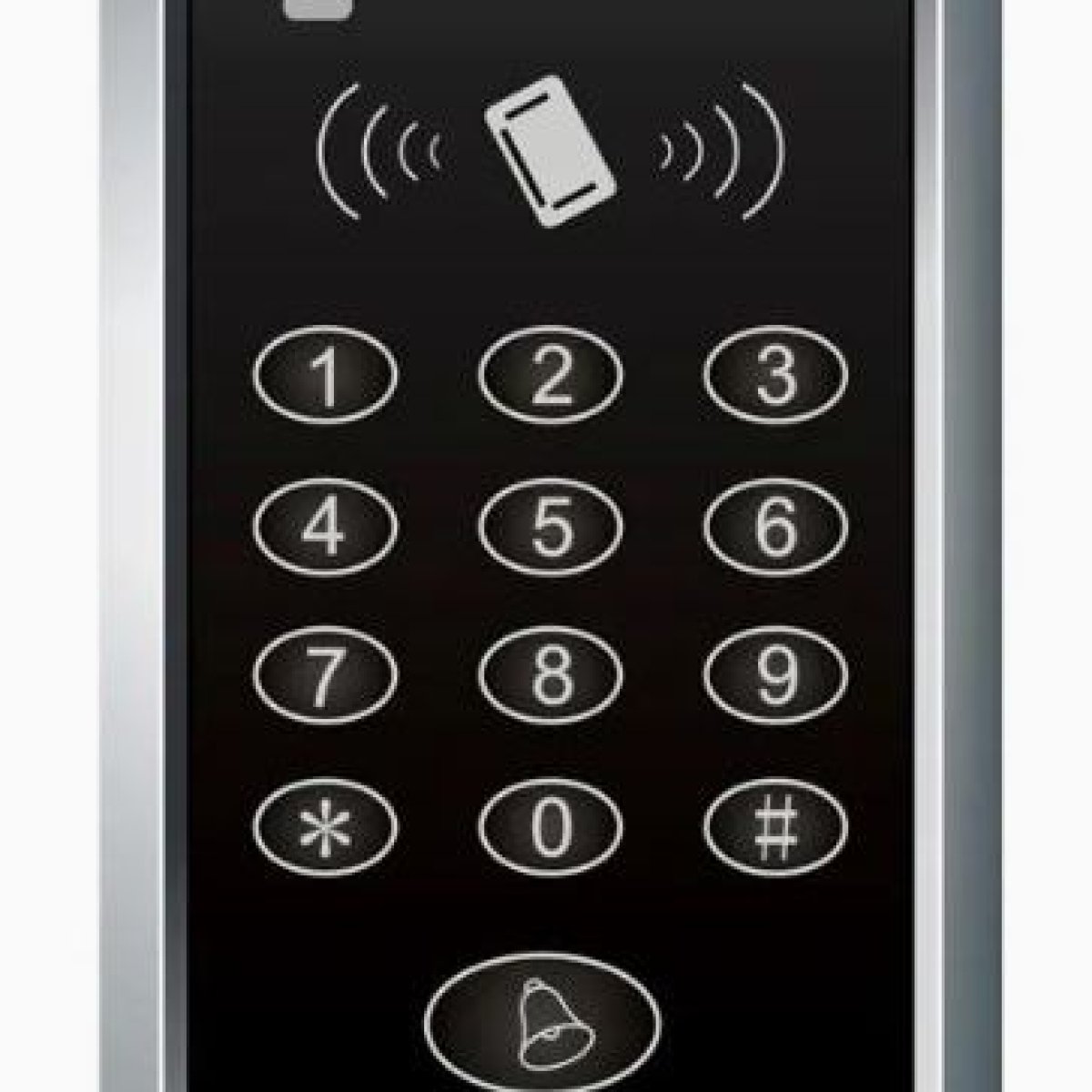
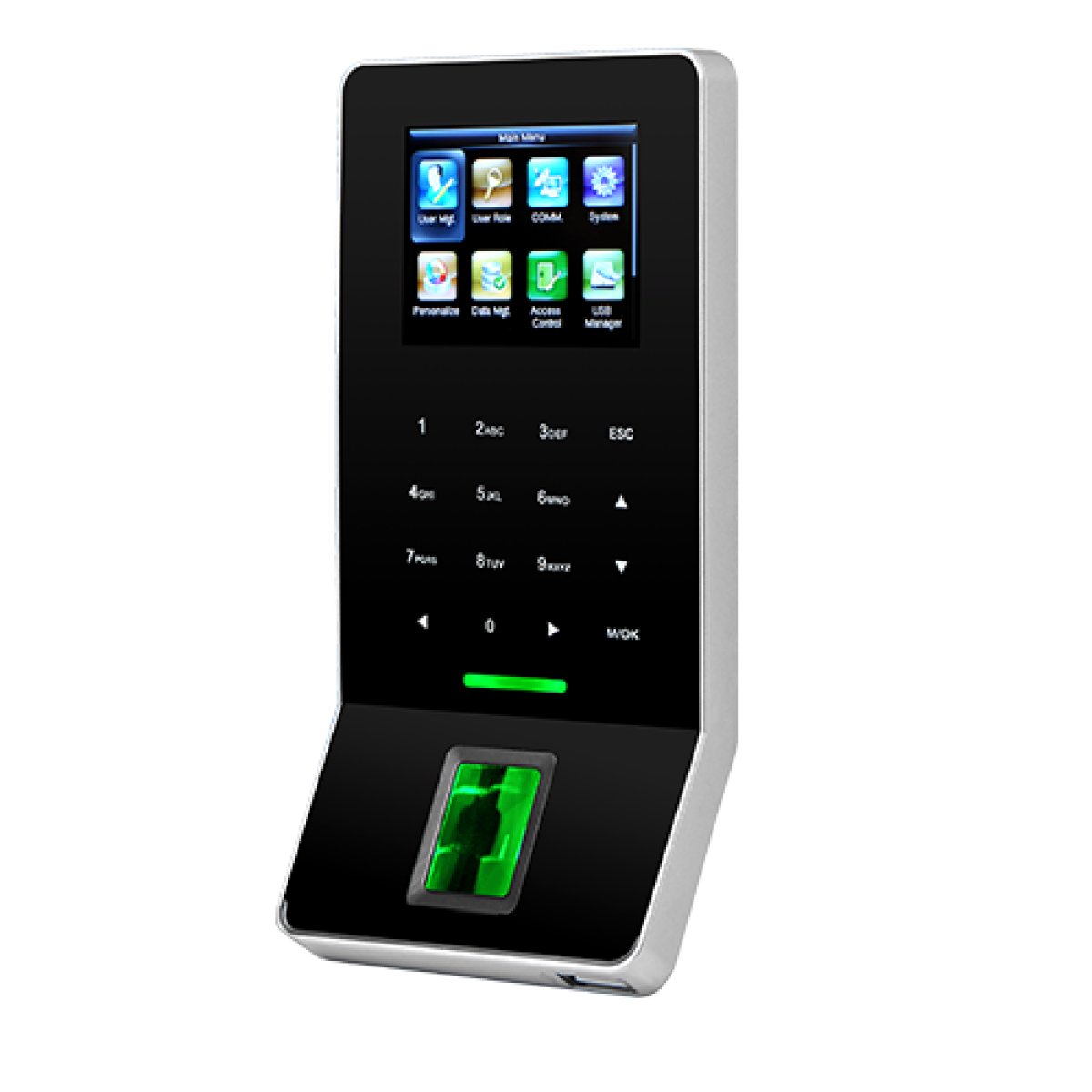
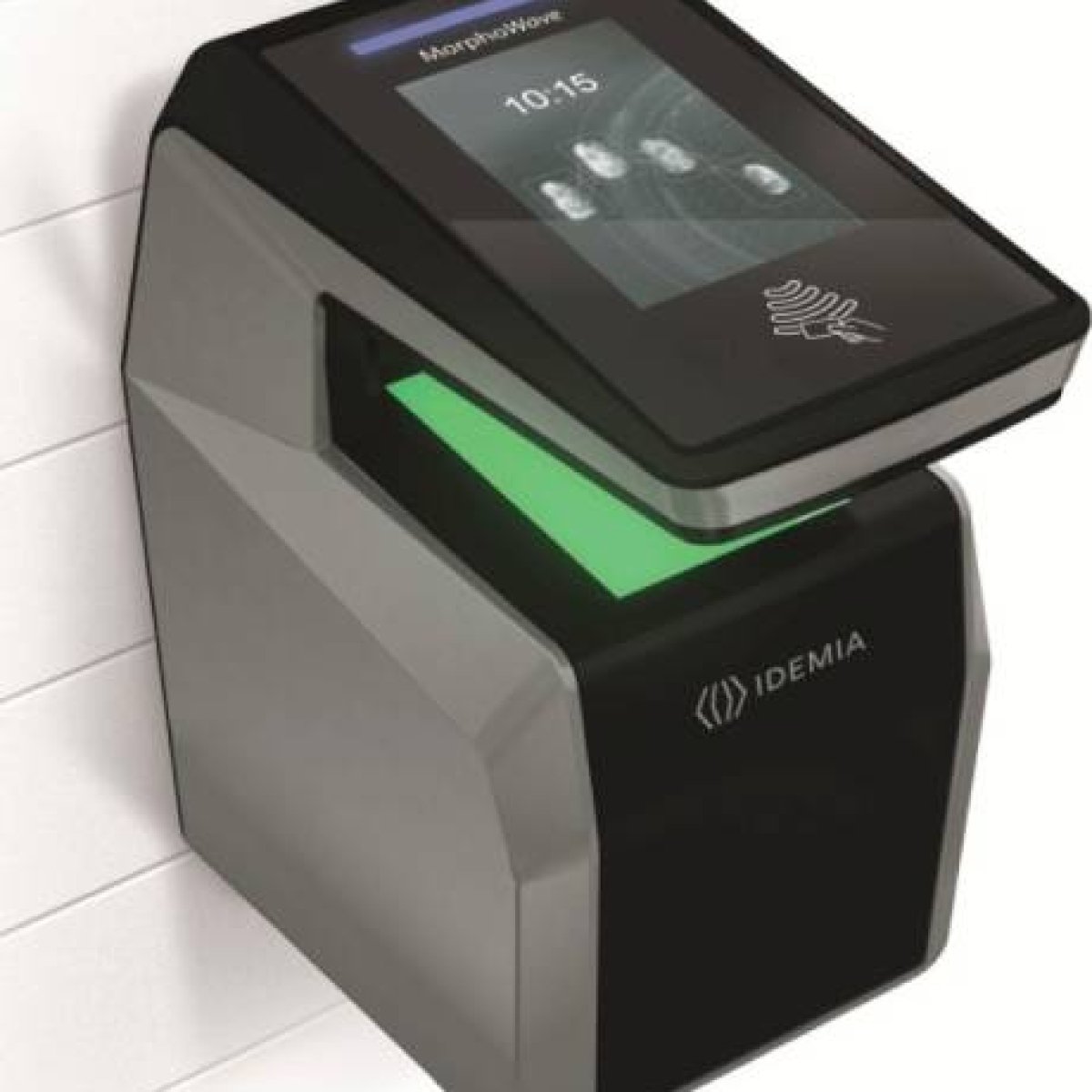
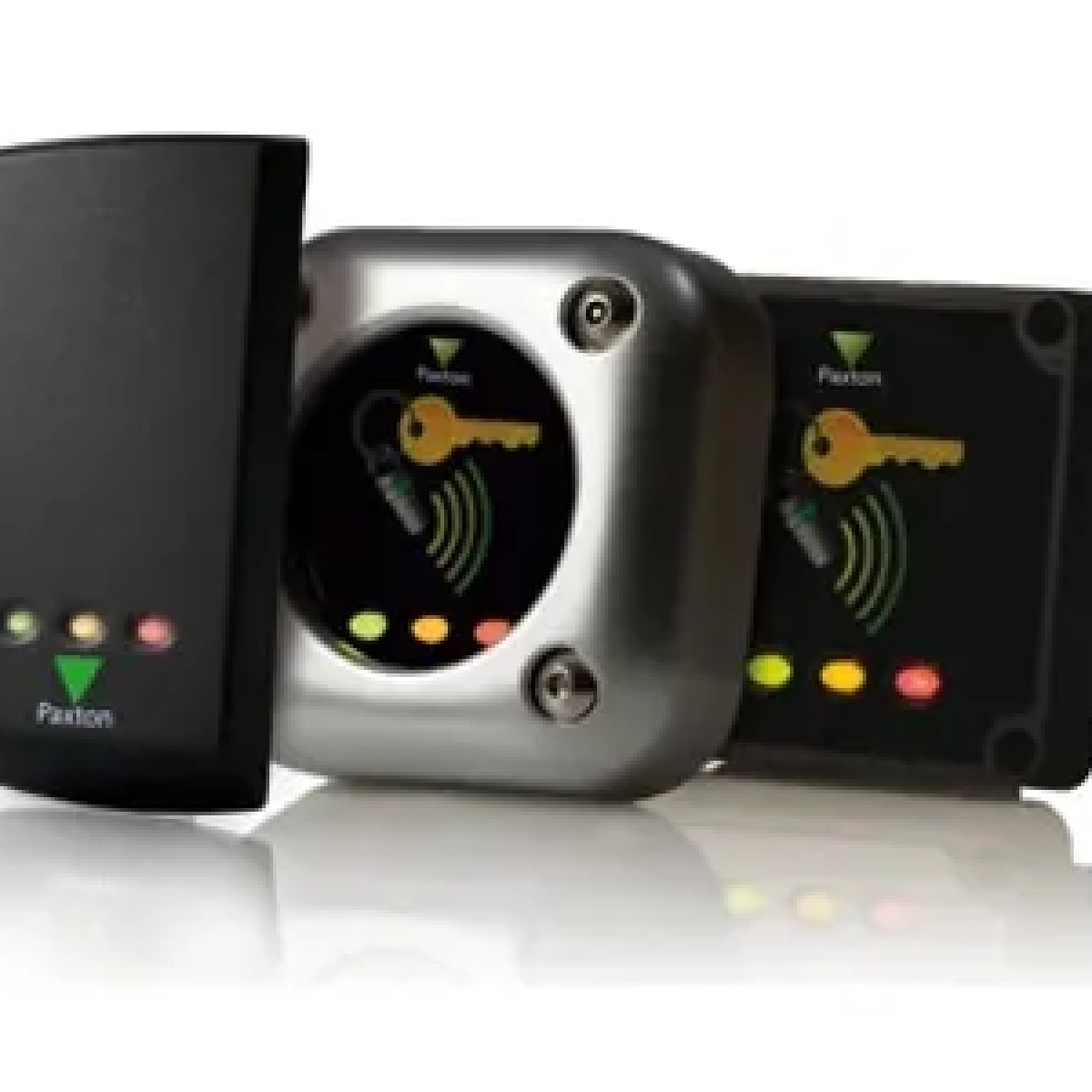
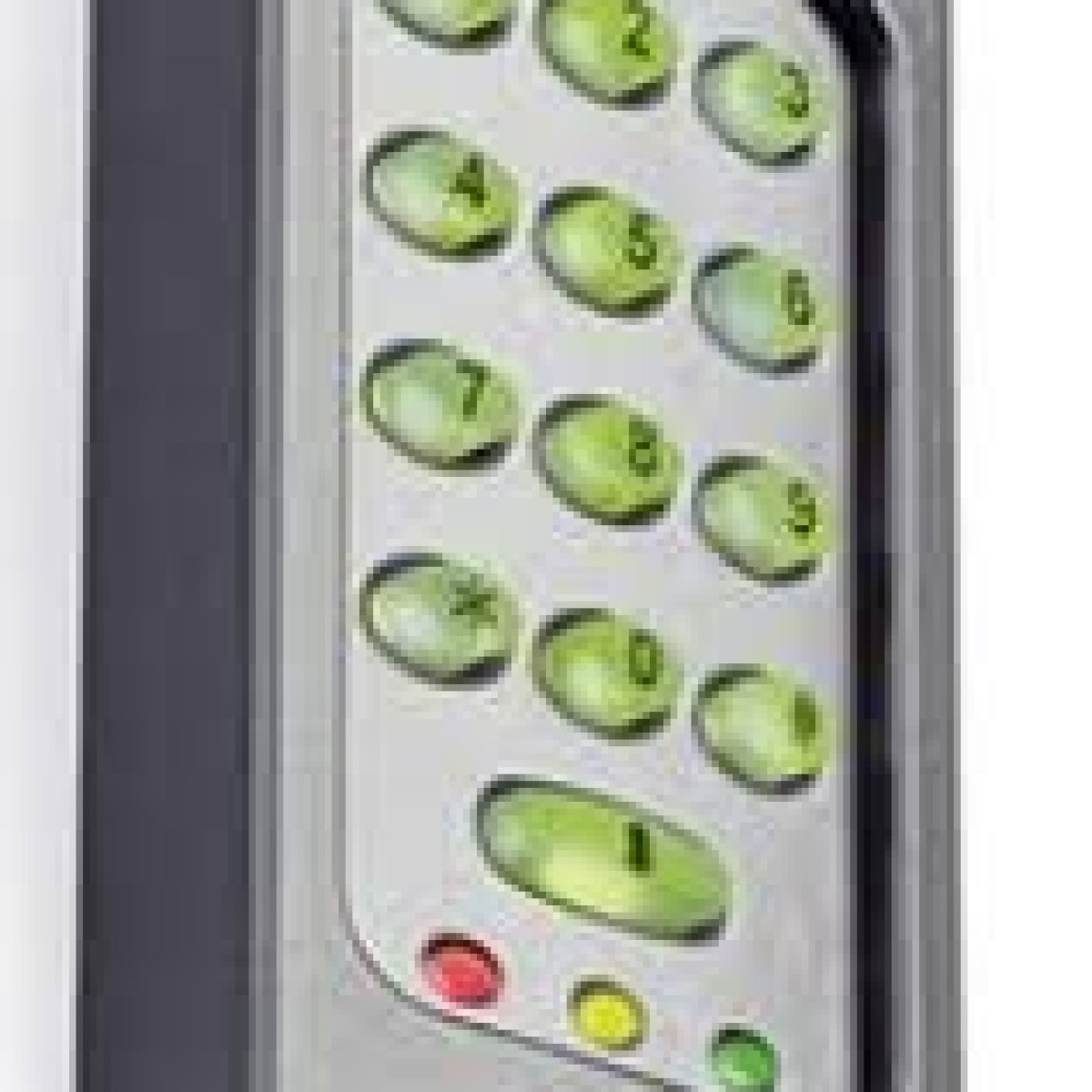
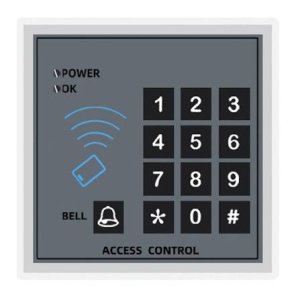

A Security & Access Control system is an enterprise-grade ecosystem that regulates who can enter specific physical or digital zones within a facility, and when. By combining biometrics, smart credentials, IP surveillance, and intrusion detection onto a single software pane, it replaces traditional brass keys with trackable, role-based digital permissions—mitigating unauthorized entry, preventing internal theft, and providing real-time situational awareness.
System Architecture: The Credential-to-Cloud Pipeline
Modern access control operates on a secure, multi-tiered framework designed to validate identity at the perimeter and instantly log the event to a central security hub.
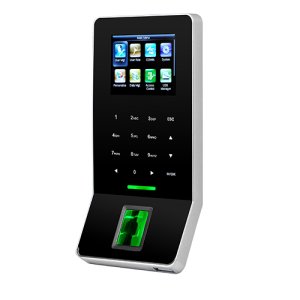
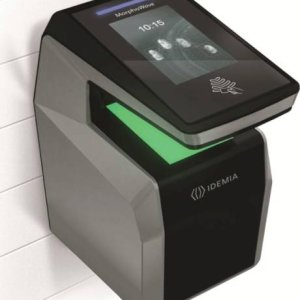
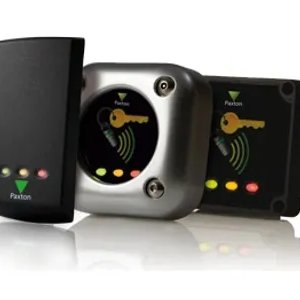
Edge Endpoints (The Door Kit): This includes the physical locking hardware—such as electromagnetic locks (maglocks) or electric door strikes—paired with input devices like RFID card readers, biometric scanners (facial recognition, fingerprint), and Request-to-Exit (REX) motion sensors that unlock the door automatically from the inside.
Intelligent Controllers (The Edge Logic): Localized control panels that hold an offline cache of the user database. If the central network goes down, these controllers still securely process access grants or denials based on local access rules, pushing cached logs back up once connectivity is restored.
Security Management Software (SMS / VMS): The centralized management software or cloud platform where administrators provision digital credentials, adjust time schedules, map access levels, and monitor live intrusion alarms.
2. Advanced Security Methodologies
To move past the vulnerabilities of legacy keycard systems, enterprise security relies on advanced software-driven logic and hardware protocols:
OSDP (Open Supervised Device Protocol): Legacy card readers communicated via the vulnerable Wiegand protocol, which transmitted unencrypted credential data that could be easily intercepted and cloned. Modern systems utilize OSDP (IEC 60839-11-5), establishing bidirectional, AES-128 encrypted communication between the card reader and the controller panel to completely neutralize data sniffing and tampering.
Anti-Passback (APB): A logic rule designed to eliminate credential sharing (tailgating). If a user badges into a turnstile, the system marks their status as "Inside." They cannot hand their card backward to a colleague; the system will deny entry to that card until it registers a matching "Exit" read at an outbound turnstile.
Multi-Factor Authentication (MFA) & Dual-Custody: For high-security zones like data centers or cash vaults, entry rules can mandate two independent credentials (e.g., Card + PIN or Card + Facial Scan), or enforce Dual-Custody, requiring two separate authorized personnel to badge in within a set time window before the primary vault lock releases.
3. Enterprise Video Management (VMS) & Alarm Integration
The true strength of an access control system is realized when it is fully integrated with an IP Video Management System (VMS) and physical intrusion detection.Video Verification & AI Analytics
When a credential is swiped, the VMS can pin a 5-second video clip of the physical event directly to the security log. If an alarm triggers—such as a Door Forced Open (DFO) or Door Held Open (DHO)—the software uses AI camera analytics to automatically cross-reference the credential holder's photo with the face of the person walking through, flagging a "Credential Mismatch" alert to guard staff if tailgating is detected.Intrusion Interlocking
Integrating the building's intrusion alarm panels allows the access control network to act dynamically. For example, if the last employee badges out of the building's main exit after hours, the system can automatically arm the motion detectors and glass-break sensors for the entire facility. Conversely, the first valid badge swipe the next morning smoothly disarms the perimeter alarm without requiring a manual keypad code entry.