
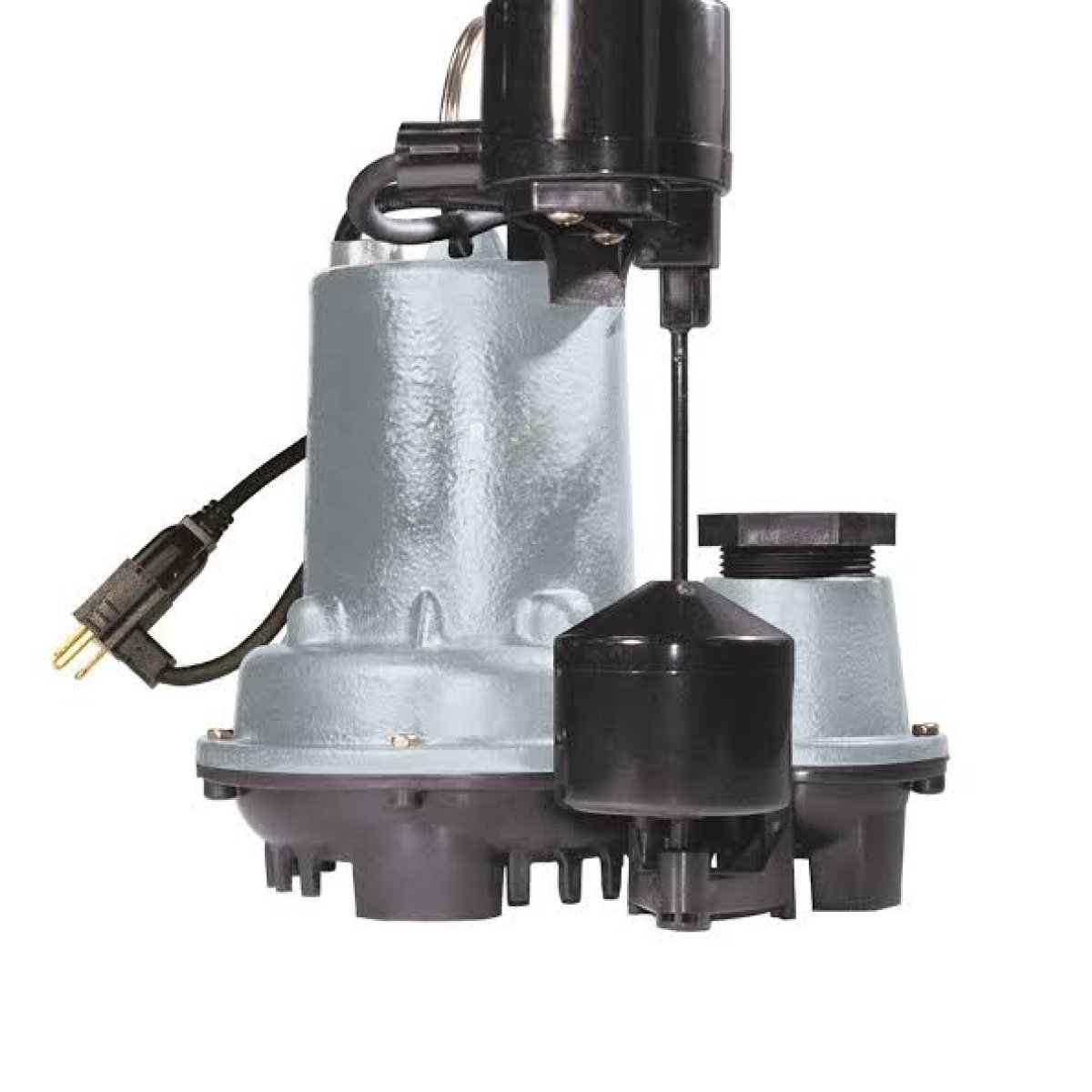
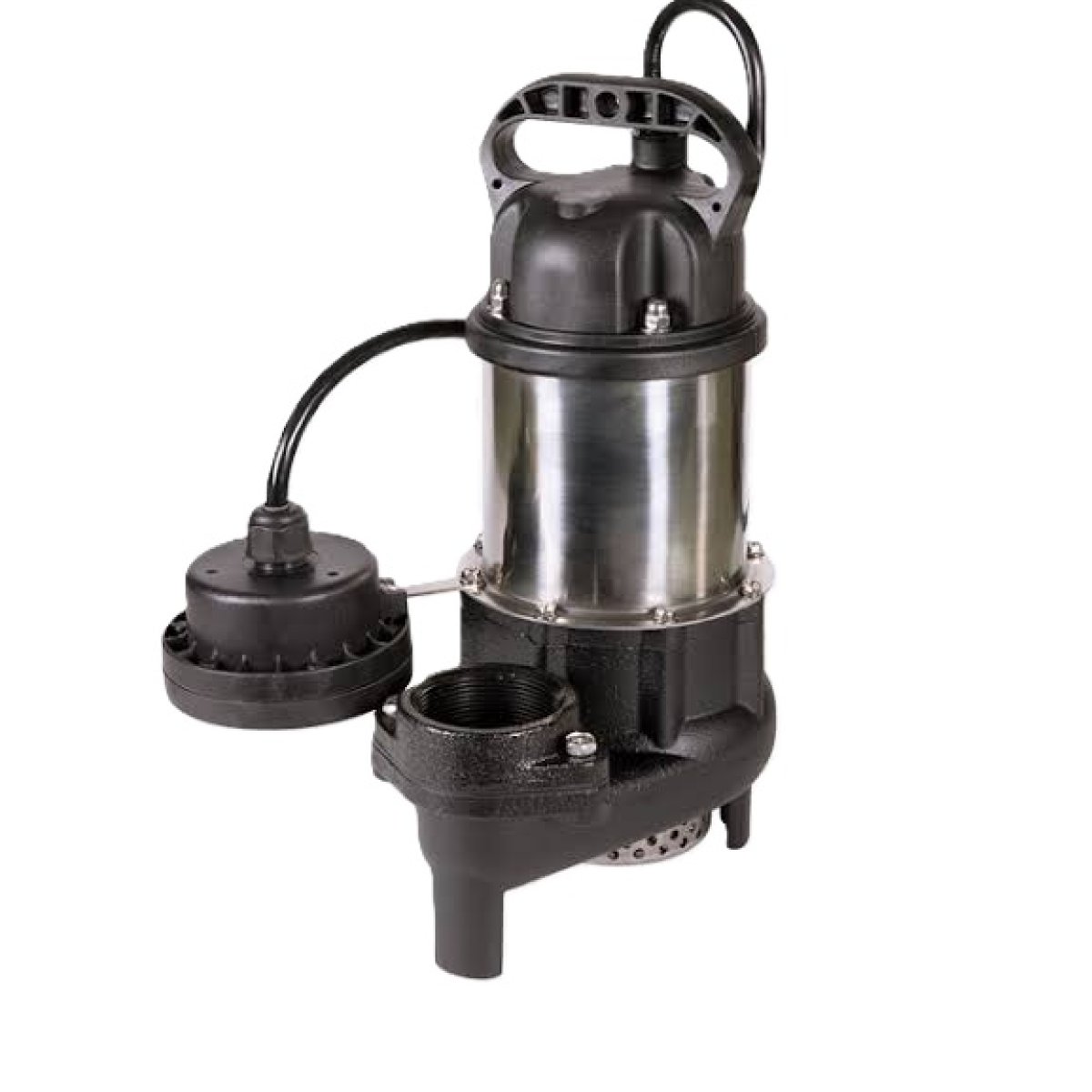
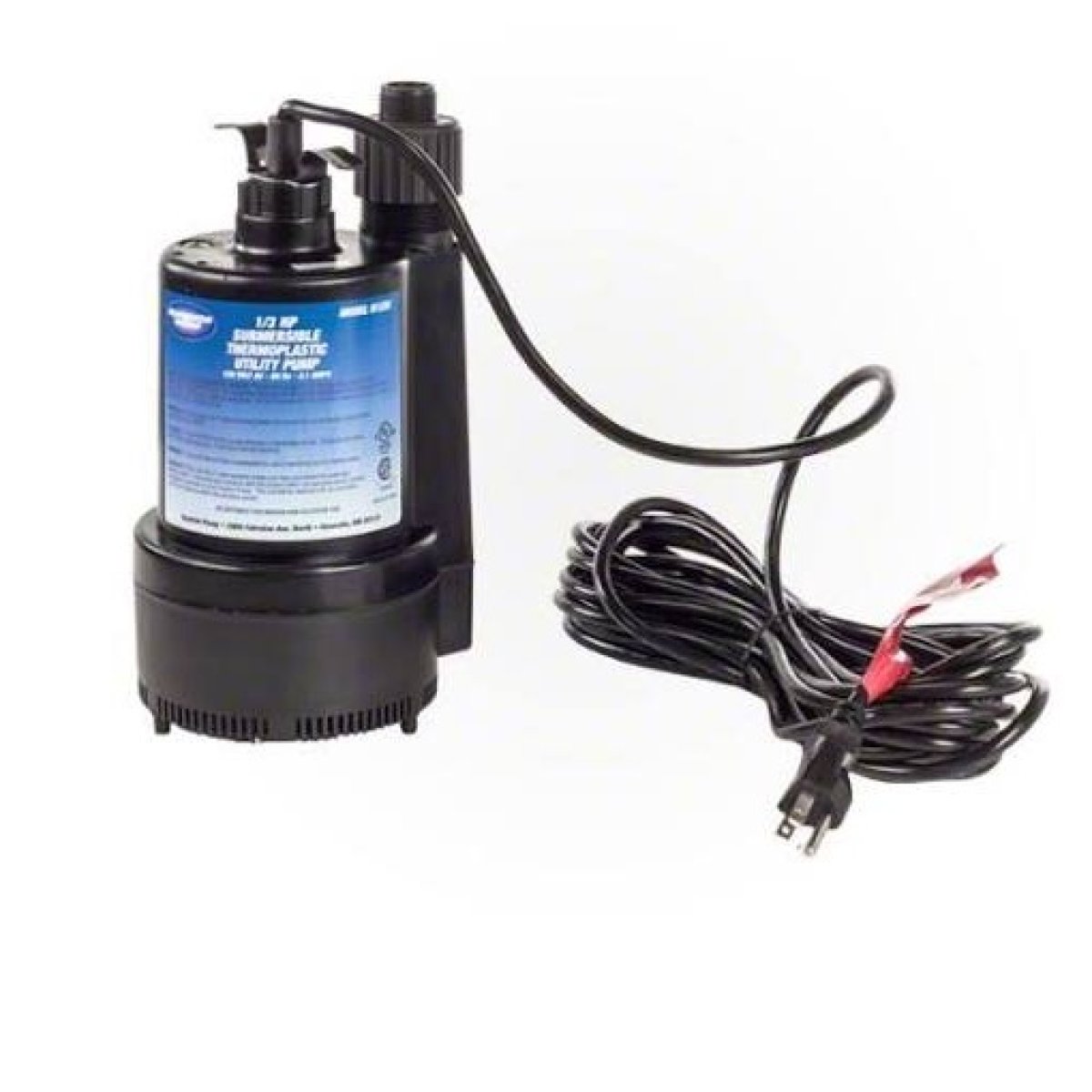
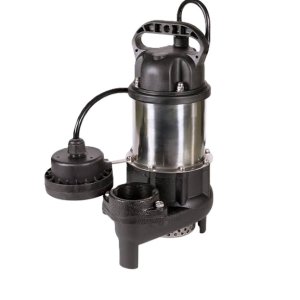
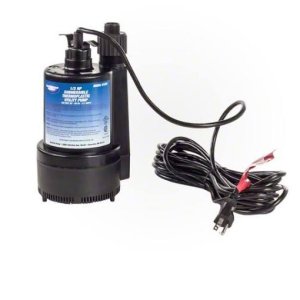
A Sump Pump is a specialized dewatering unit installed at the lowest point of a building's basement or crawlspace, typically inside a dedicated pit (sump basin). Its primary engineering function is to collect rising groundwater or surface runoff before it can breach the foundation, automatically pumping the accumulated fluid up and out of the structure toward a designated storm drainage system.
1. System Architecture & Component Layout
A standard residential or commercial sump pump installation functions as an automated drainage network consisting of several interlocking components:
Sump Basin (Pit): A plastic, fiberglass, or concrete perforated reservoir set flush into the lowest point of the basement floor. It collects perimeter groundwater routed to it via subterranean perforated pipes known as French Drains or weeping tiles.
The Pump Assembly: Sits at the bottom of the basin. It features a bottom-intake suction screen and a high-speed centrifugal impeller designed to rapidly accelerate water out into the discharge line.
The Float Switch: The automated trigger mechanism of the system. As water fills the basin, a buoyant tethered or vertical float rides upward with the water level. Once it reaches a calibrated peak threshold, it closes an electrical contact, firing up the pump motor. As the water level plummets, the float drops, opening the circuit to turn the motor off before it runs dry.
The Check Valve: A critical one-way mechanical valve installed on the vertical discharge pipe just above the pump. When the pump turns off, gravity forces the remaining water in the vertical pipe back downward. The check valve slams shut, preventing this water from draining back into the basin and forcing the pump into an infinite loop of short-cycling.
2. Core Configurations: Pedestal vs. Submersible
Sump pumps are engineered into two main mechanical configurations based on motor placement and environmental exposure.Pedestal Sump Pumps
A split-design configuration where the electric motor is mounted on top of a tall vertical column, keeping it elevated completely out of the wet basin. Only the lower impeller housing sits underwater at the bottom of the pit.
Pros: Highly accessible for maintenance, and the motor boasts a long lifespan since it is never exposed to moisture.
Cons: The exposed spinning motor is significantly louder during operation, and the high center-of-gravity makes it vulnerable to tipping if not bolted down securely.
Submersible Sump Pumps
An integrated, hermetically sealed unit where both the motor and the impeller housing sit completely underwater at the bottom of the sump basin. The motor is encased in fluid-cooled cast iron or stainless steel.
Pros: Exceptionally quiet operation because the surrounding water dampens the motor vibrations. It is structurally stable, safer for homes with children/pets, and can handle small solids or debris far better than a pedestal model.
Cons: More expensive upfront, and servicing requires pulling the muddy, submerged unit completely out of the basin.
3. Emergency Reliability: Battery Backup Systems
Because severe storms that cause heavy flooding are frequently accompanied by widespread municipal utility blackouts, a standard AC-powered sump pump carries an inherent single point of failure. To prevent catastrophic basement flooding during a power loss, professional installations integrate a Dual-Pump Backup Matrix:
The DC Backup Pump: A separate, secondary 12-Volt DC-powered pump is installed inside the exact same basin, positioned a few inches higher than the primary pump.
The Smart Controller & Marine Battery Bank: Under normal operations, a continuous trickle charger keeps a deep-cycle marine battery bank topped off. The moment the main grid goes dark and the water level rises past the primary threshold, the smart controller activates the DC backup pump, allowing the system to maintain continuous flood protection for several days entirely off battery reserves.