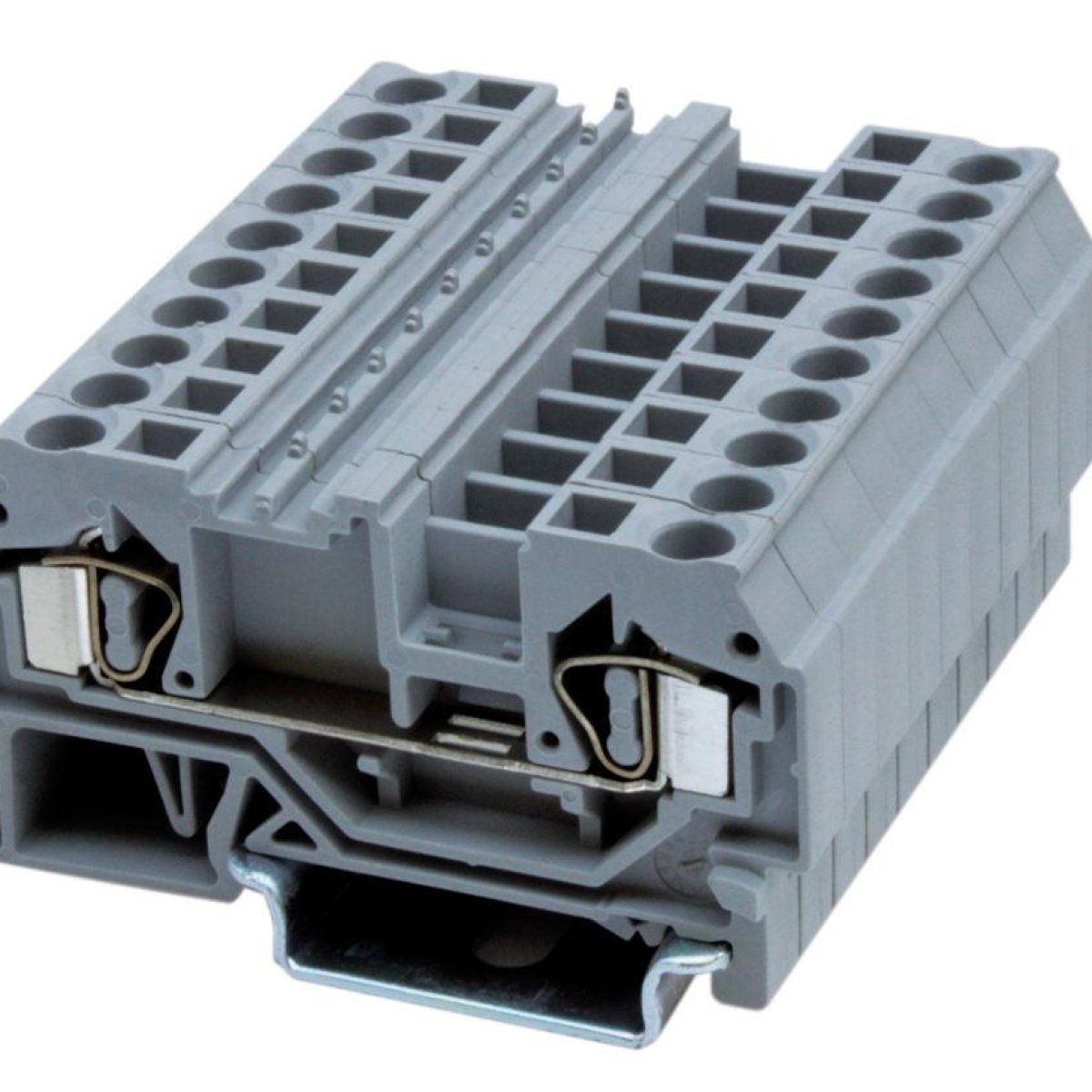
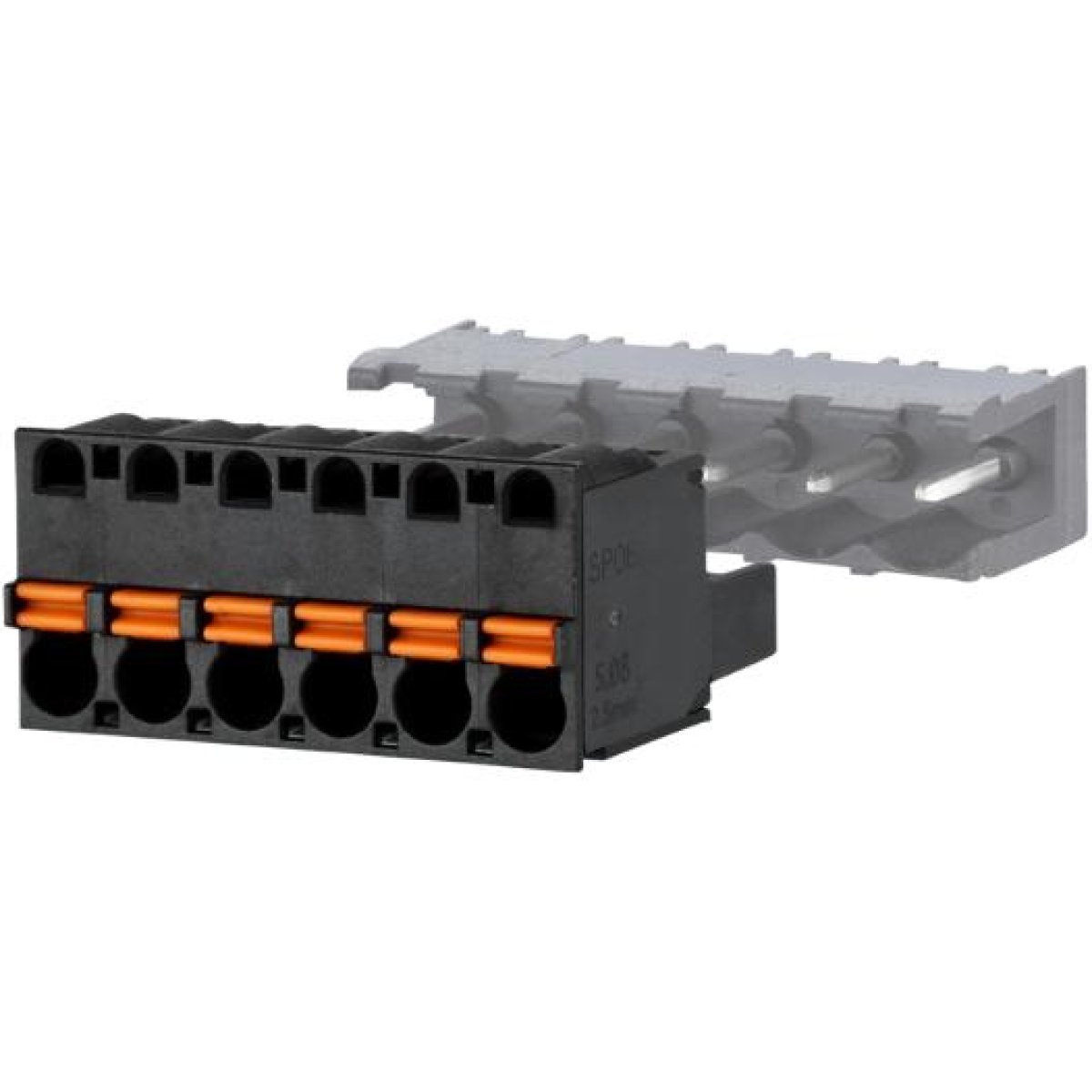
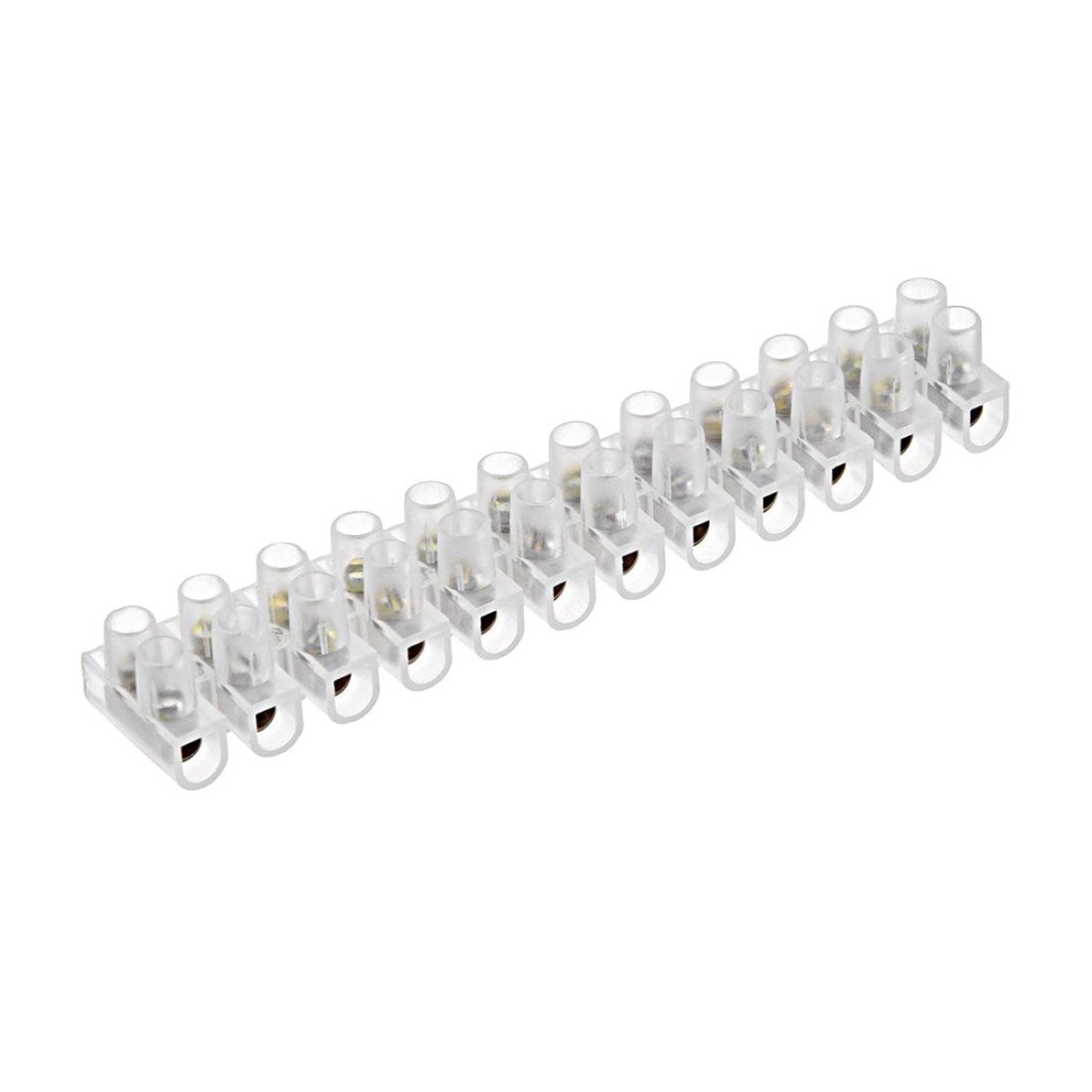
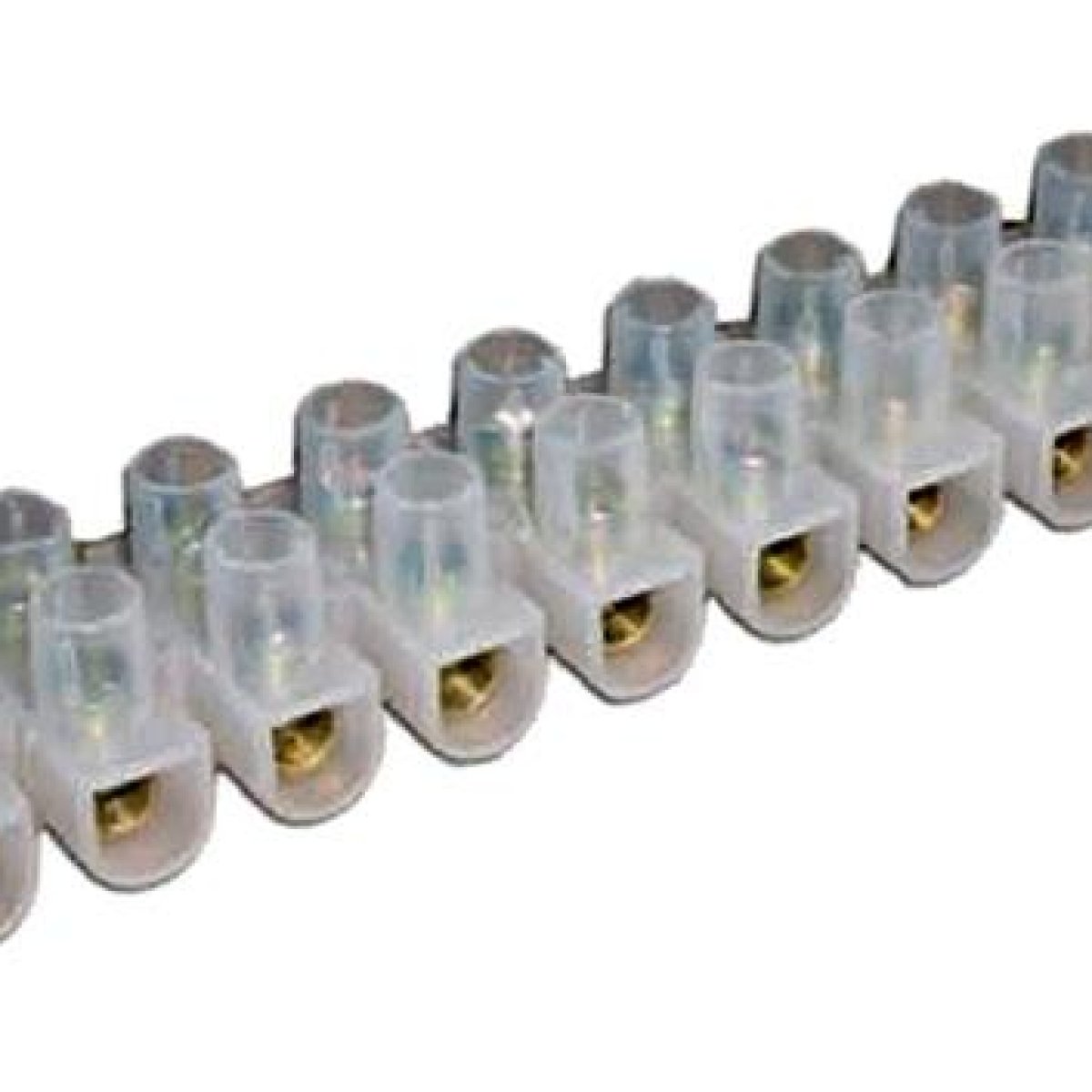
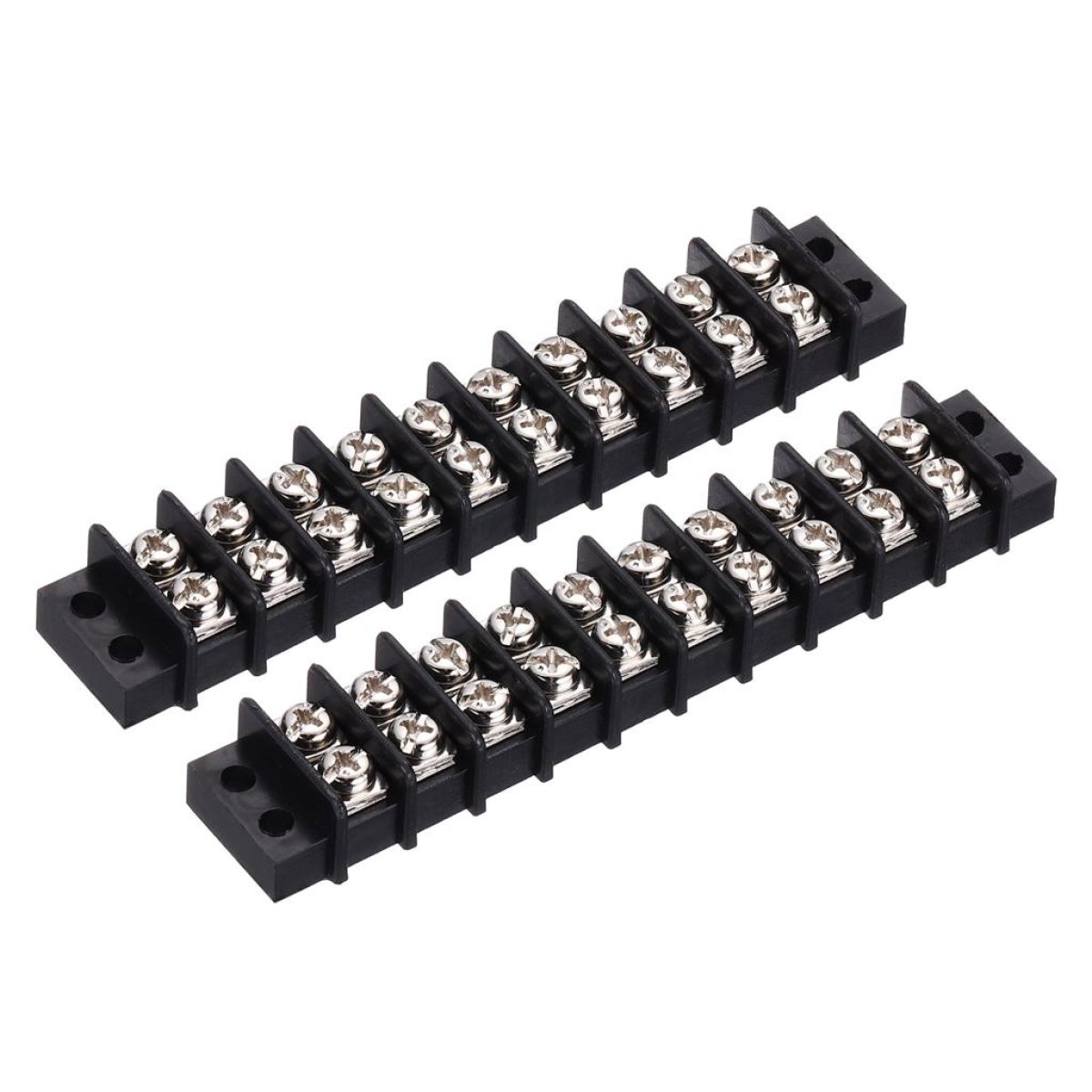
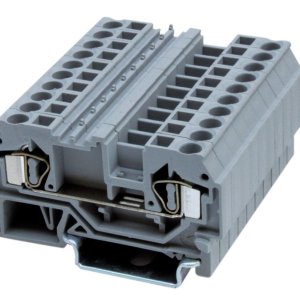
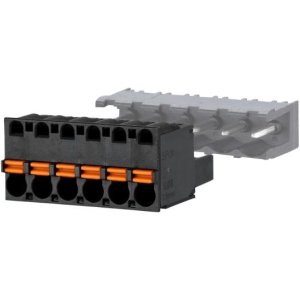
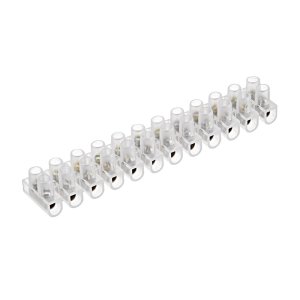
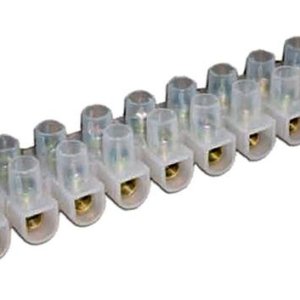
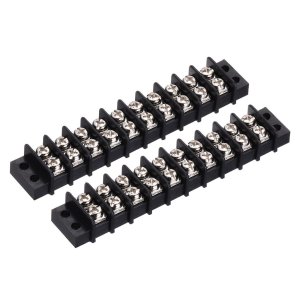
Terminal Blocks are modular electrical connectors used to securely connect, distribute, and organize electrical wiring inside control panels and electrical enclosures.
Terminal Blocks provide safe, reliable, and organized wire termination for power, signal, and control circuits. Mounted on standard DIN rails, they simplify wiring, troubleshooting, maintenance, and future expansion of electrical systems.
Available in screw, spring-clamp, push-in, and fuse terminal designs, they are widely used in industrial automation, building automation, switchboards, and machinery.
Key Features
-
Secure wire termination
-
Modular design
-
DIN rail mounting
-
Color-coded identification options
-
High electrical reliability
-
Easy installation and maintenance
-
Available with jumpers and end stops
-
Suitable for power and signal wiring
Common Applications
-
Electrical Control Panels
-
PLC Panels
-
BMS Panels
-
MCC Panels
-
Distribution Boards
-
Industrial Machinery
-
Process Automation
-
HVAC Control Panels
Common Types
-
Screw Terminal Block
-
Spring Clamp Terminal Block
-
Push-In Terminal Block
-
Fuse Terminal Block
-
Ground (PE) Terminal Block
-
Disconnect Terminal Block
Typical Specifications
-
Rated Voltage: 300–1000V
-
Rated Current: 10–150A
-
Wire Size: 0.2–50 mm²
-
Mounting: 35 mm DIN Rail
-
Material: Flame-Retardant Engineering Plastic with Copper Alloy Conductors