
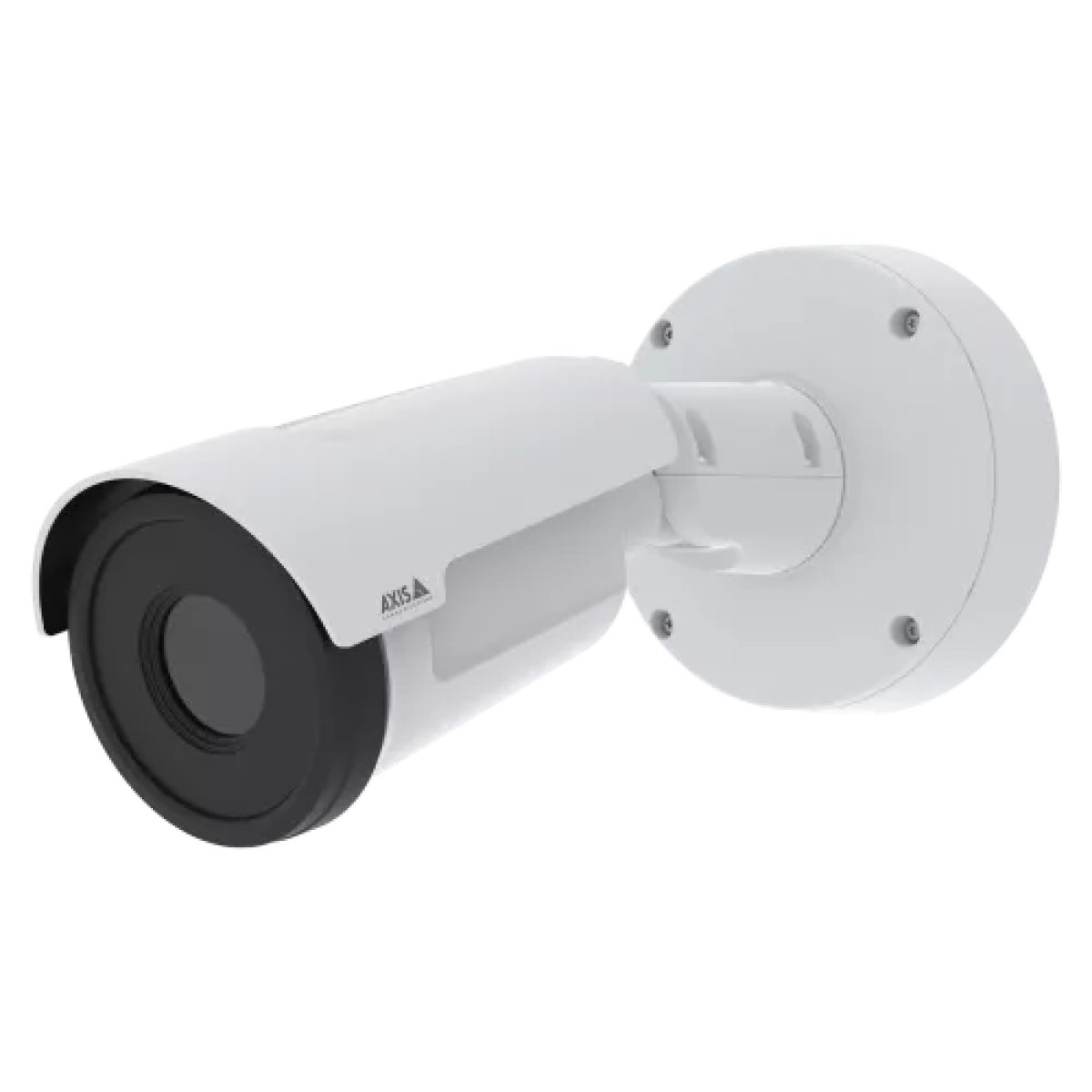
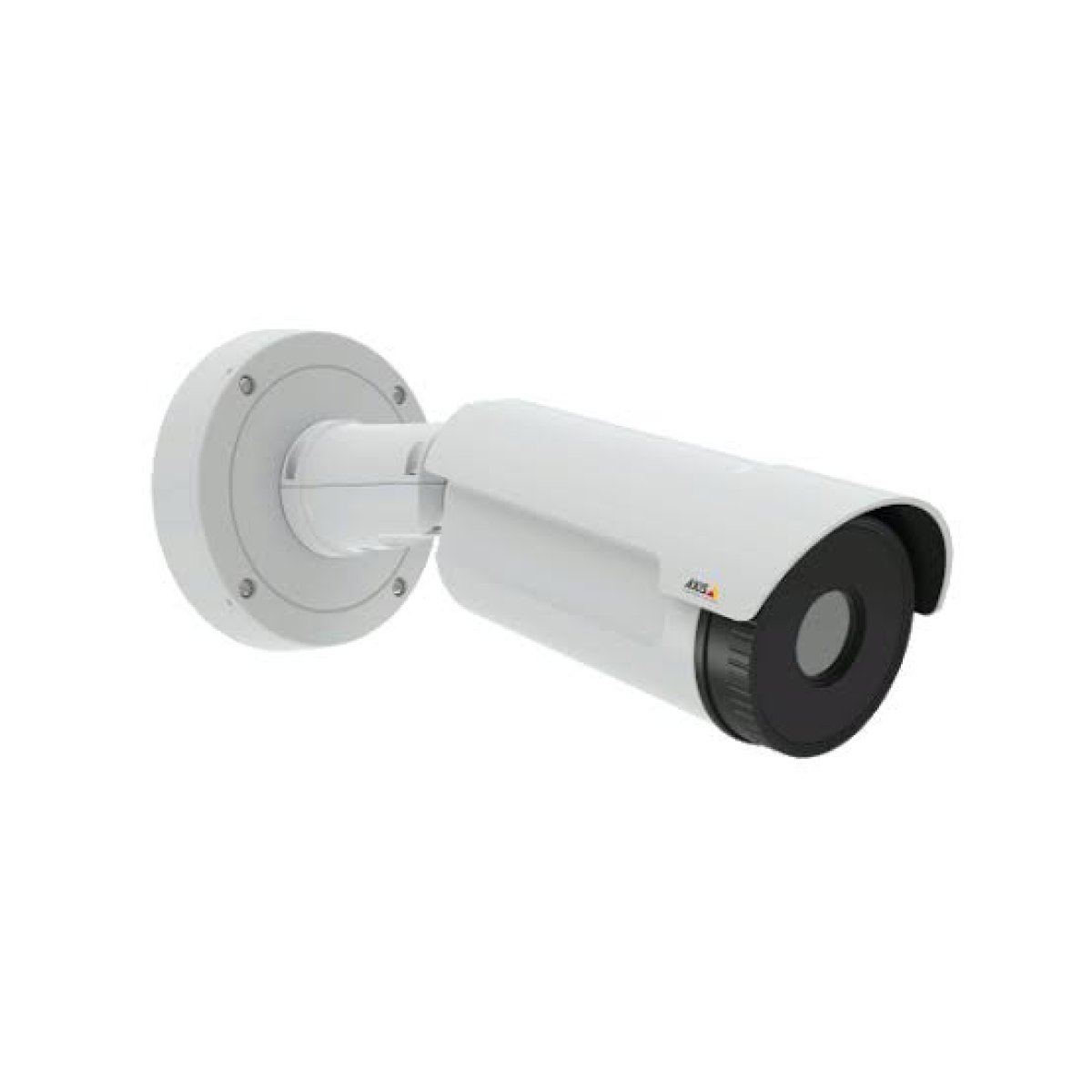
A thermal camera is an advanced imaging device that detects heat signatures and converts them into visual images, enabling visibility in darkness and challenging environments.
A thermal camera is a specialized imaging device that captures infrared radiation (heat) emitted by objects and converts it into a visible image, known as a thermal image. Unlike standard cameras that rely on visible light, thermal cameras can detect temperature differences, making them effective in complete darkness, fog, smoke, and harsh weather conditions.
Thermal cameras are widely used in security and surveillance, industrial inspections, firefighting, building diagnostics, medical screening, and search-and-rescue operations. They help identify heat patterns, detect faults, and monitor environments where traditional cameras are limited.
These cameras can reveal hidden issues such as electrical faults, overheating equipment, insulation gaps, water leaks, and structural defects. In security applications, they can detect human or animal presence based on body heat, even in low-visibility conditions.
Modern thermal cameras come with advanced features such as high-resolution thermal sensors, real-time imaging, temperature measurement, recording capabilities, and integration with monitoring systems. They are available in handheld, fixed, and drone-mounted configurations.
Built with durable materials, thermal cameras are designed to operate reliably in extreme conditions. Their non-contact measurement capability also makes them safe and efficient for industrial and professional use.
Overall, a thermal camera is a powerful and versatile tool that enhances visibility, safety, and diagnostic accuracy across a wide range of applications.