
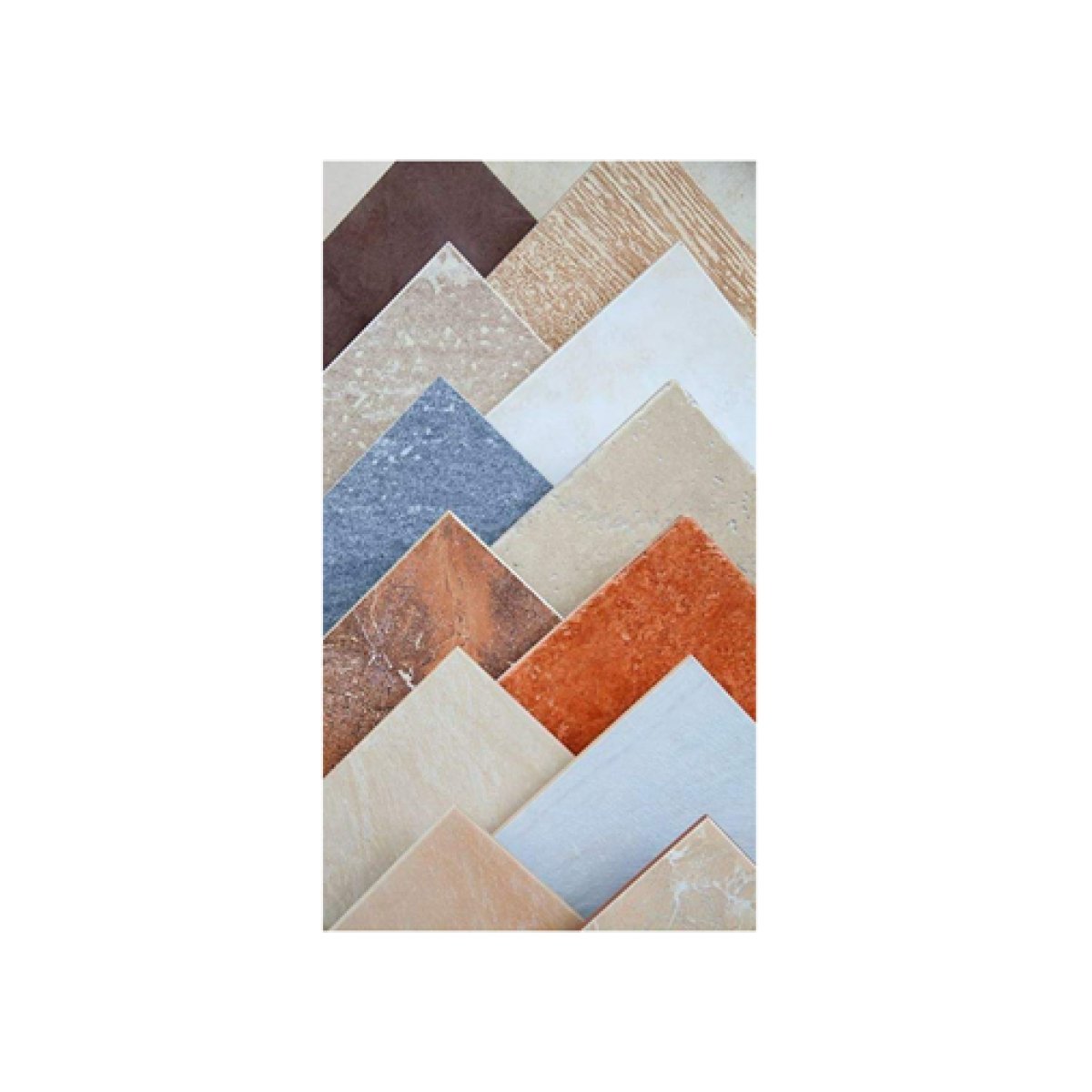
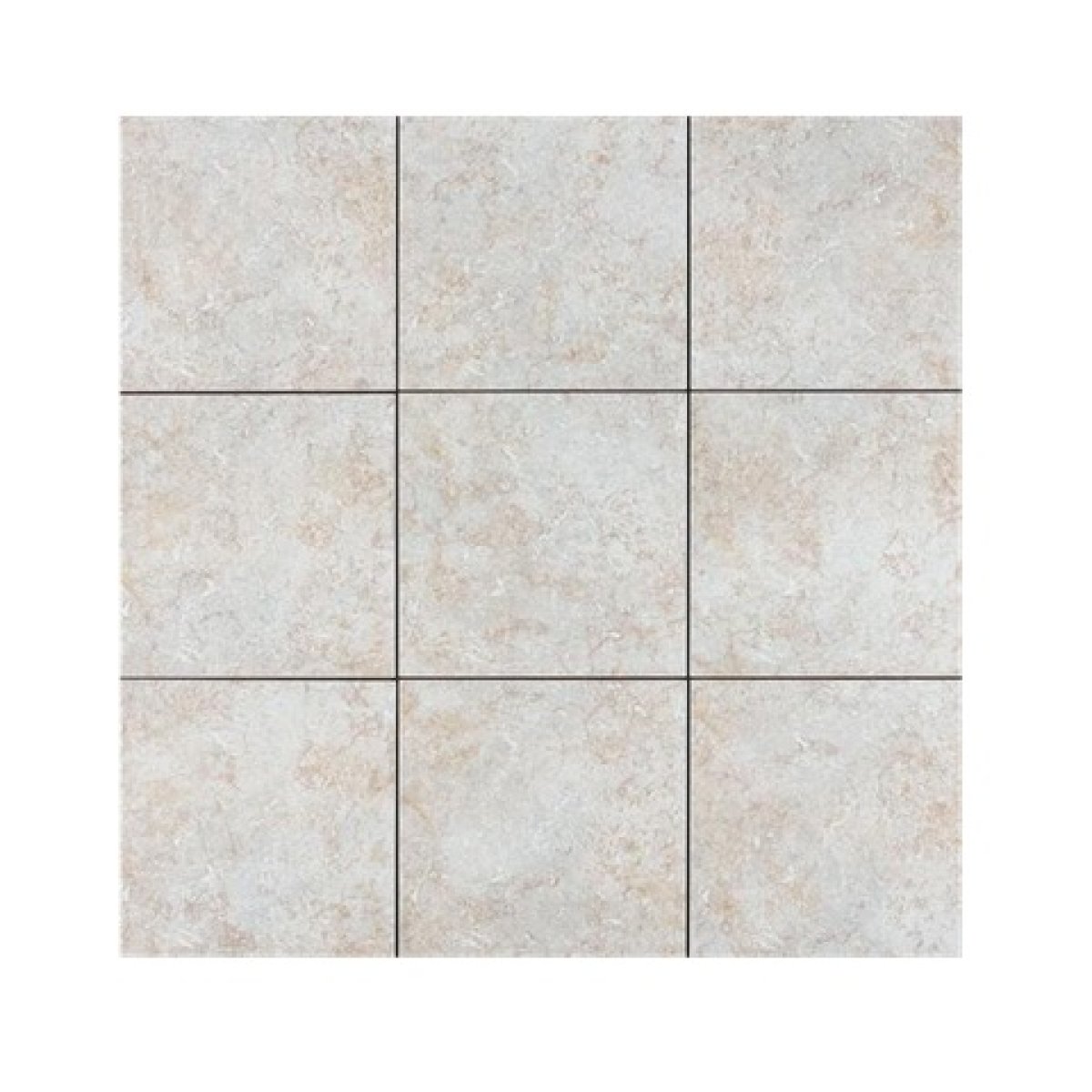
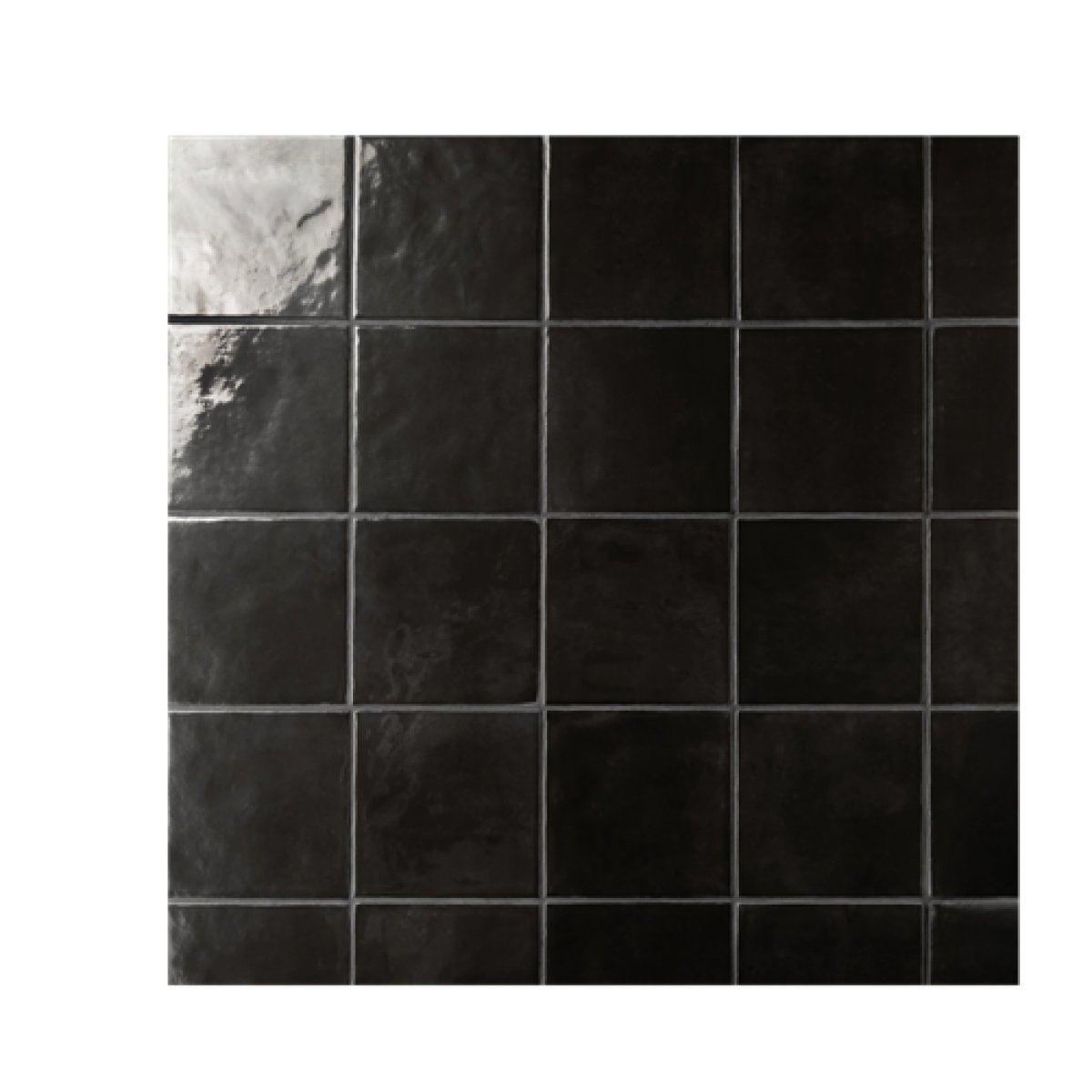
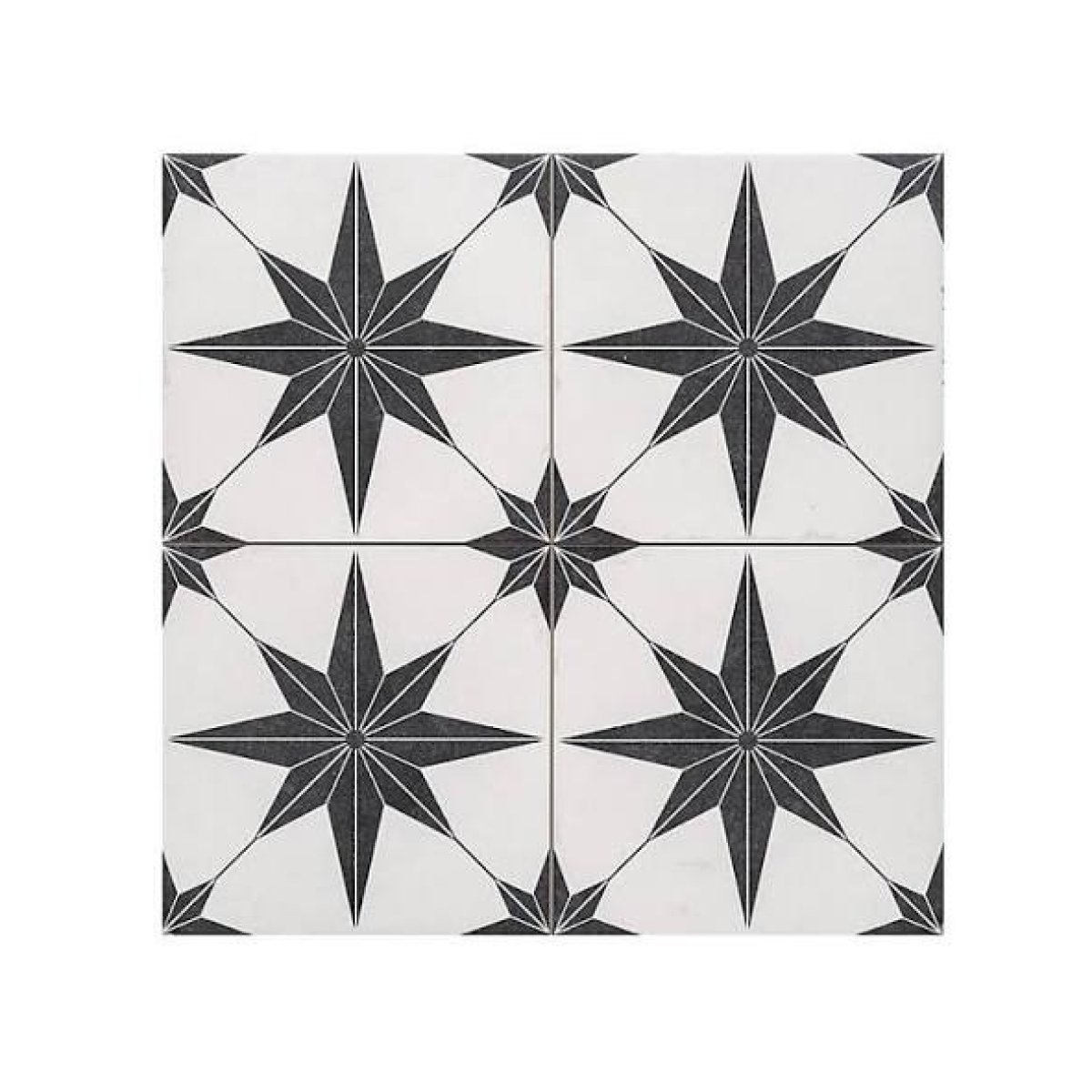
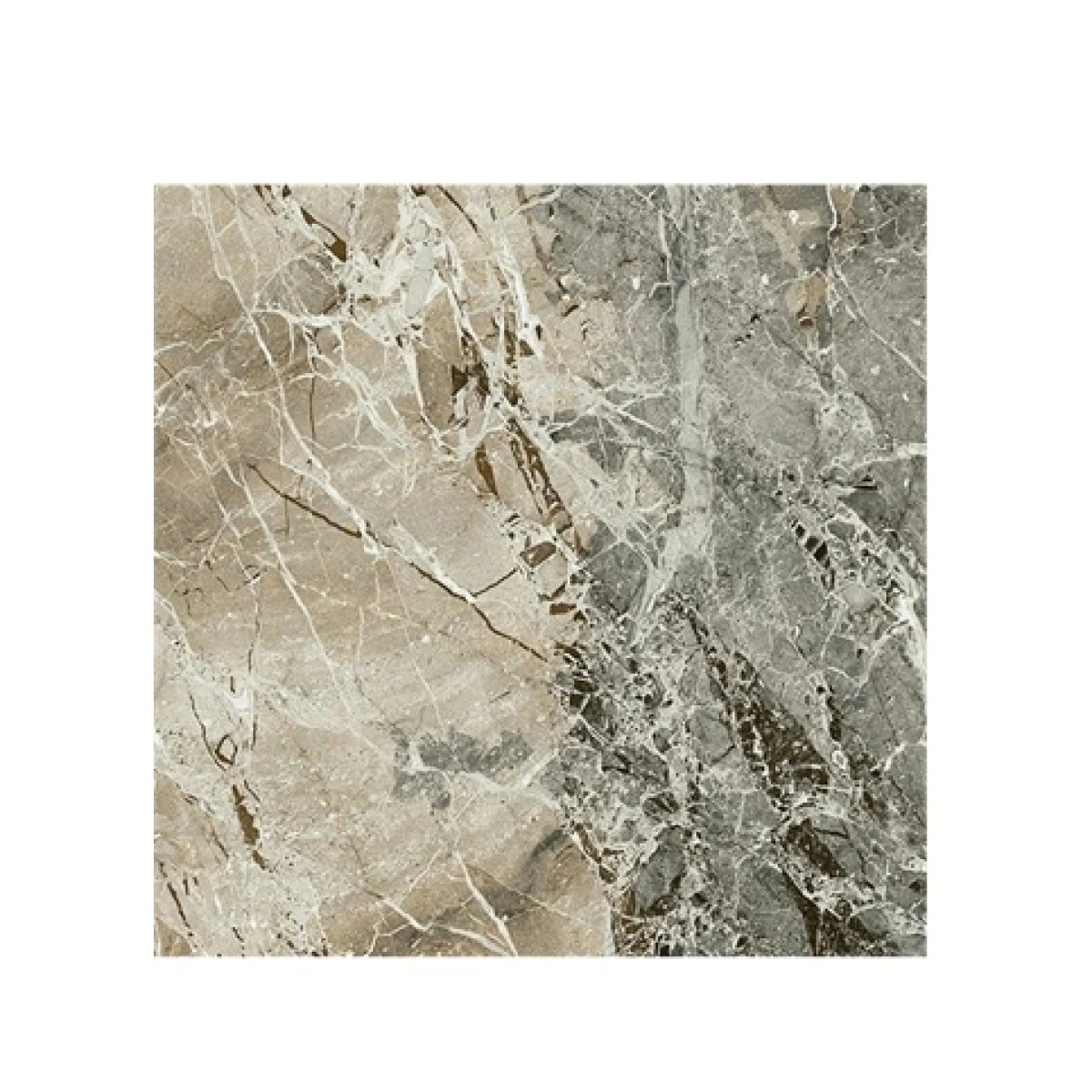
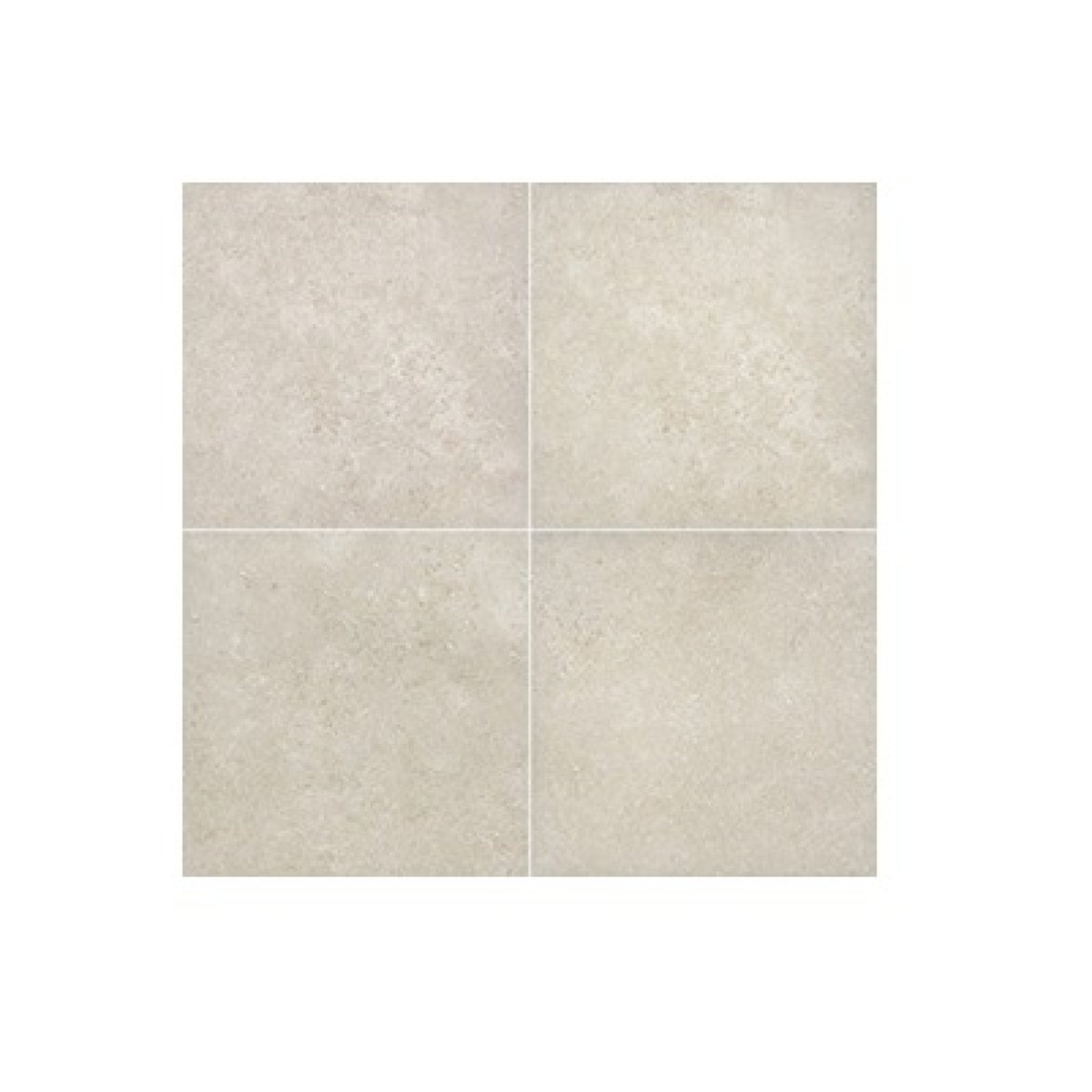
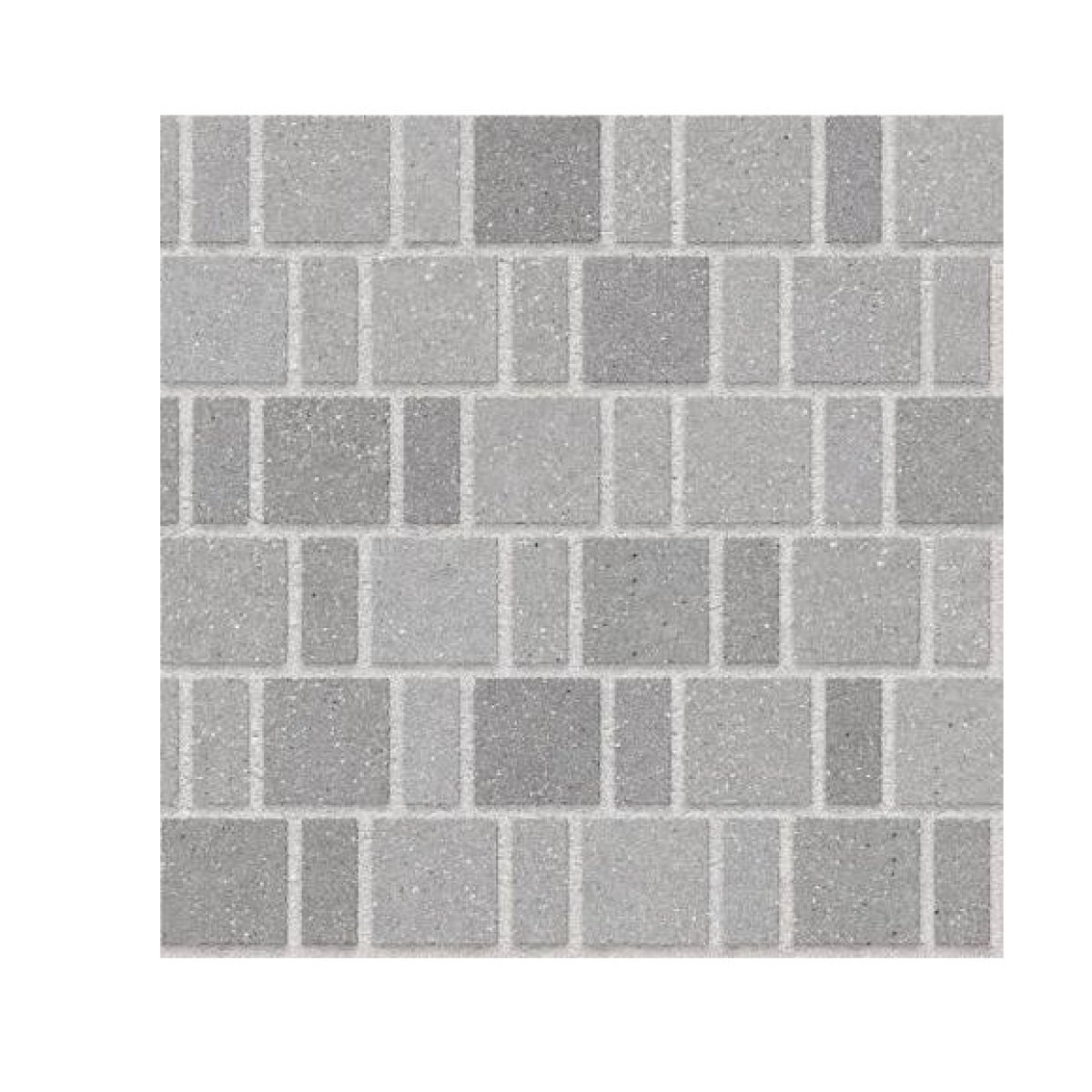
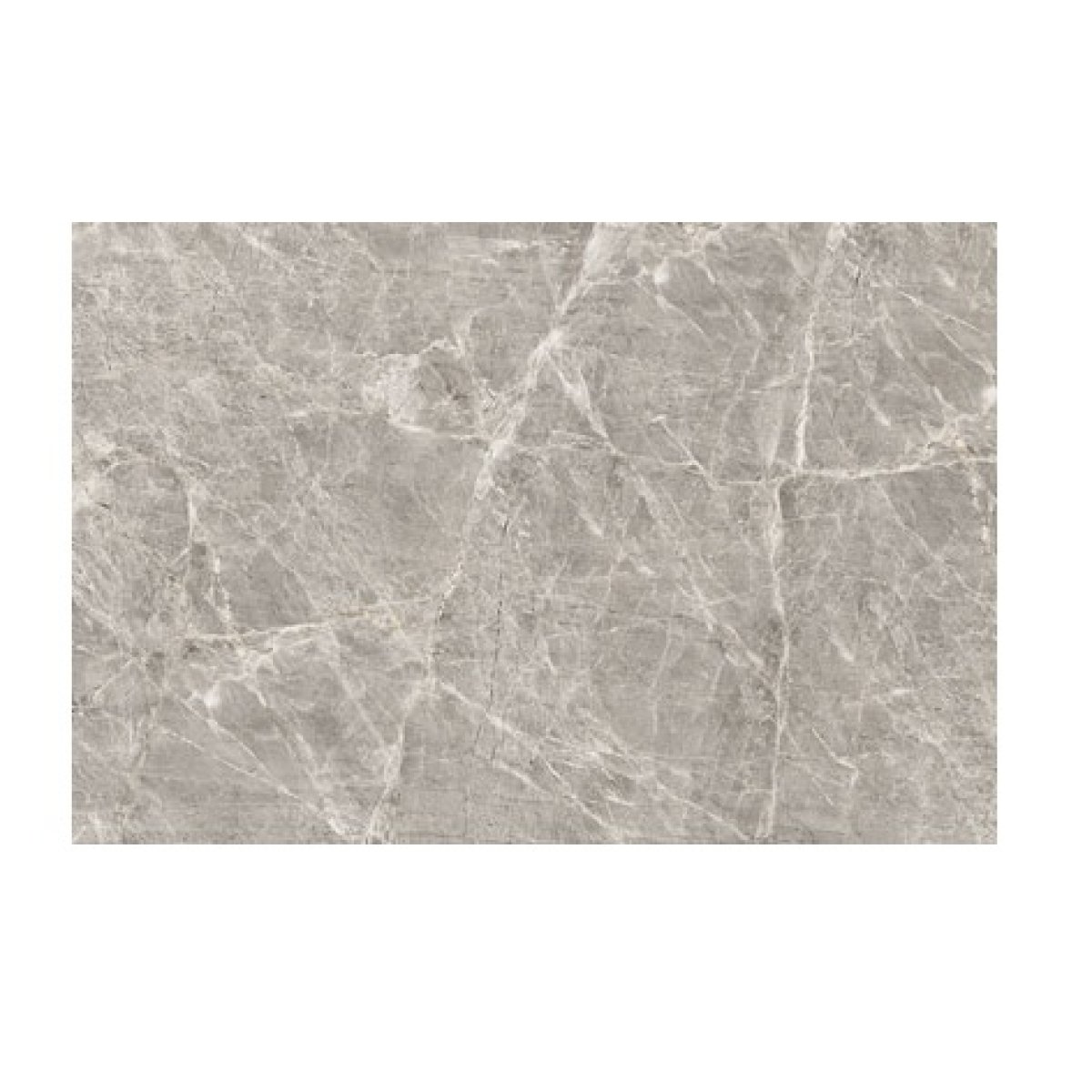
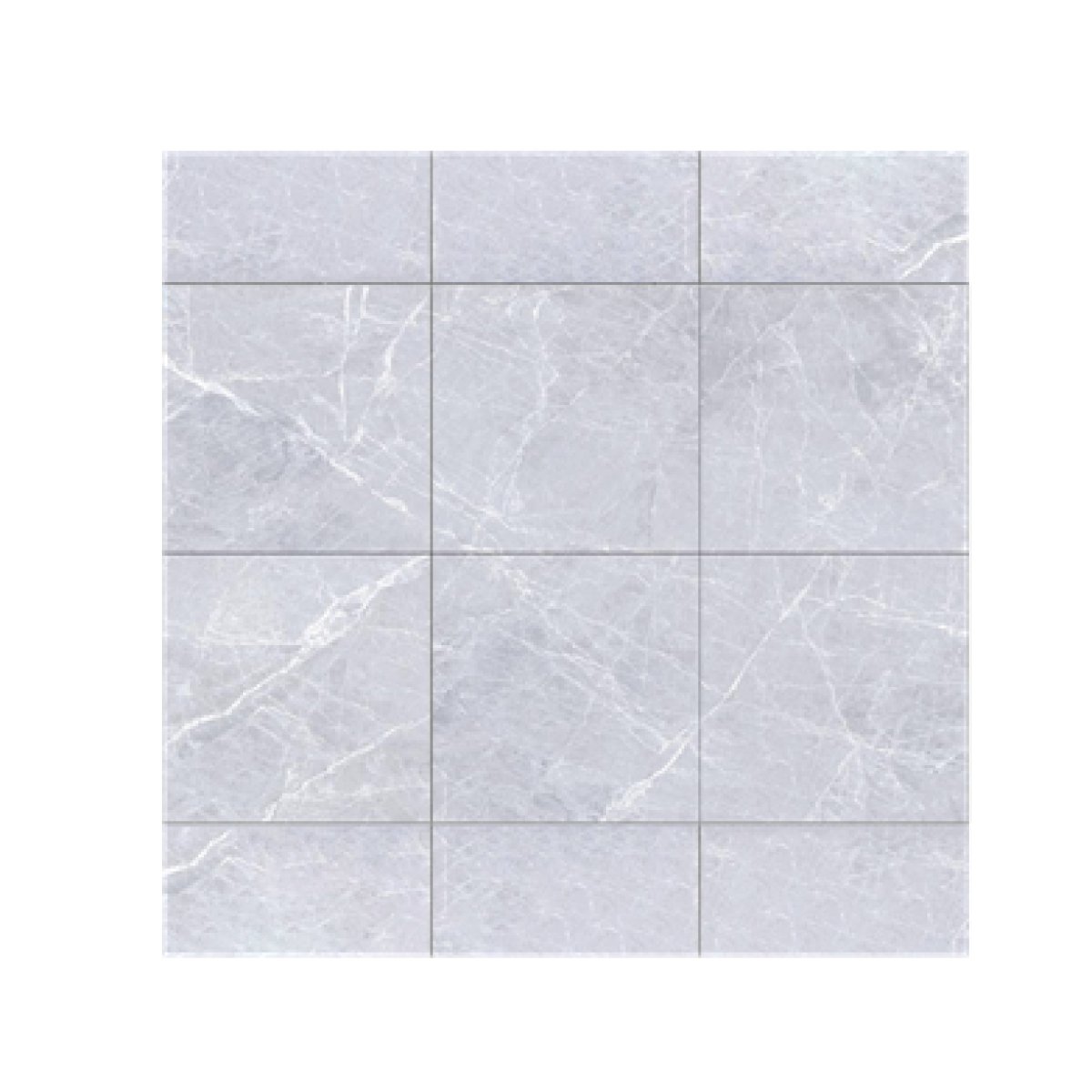
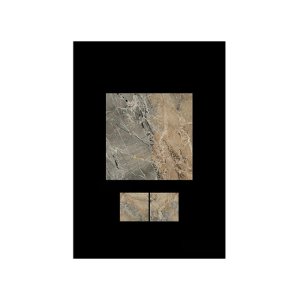
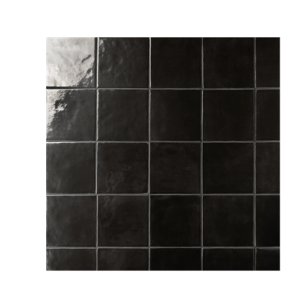
Ceramic Tiles
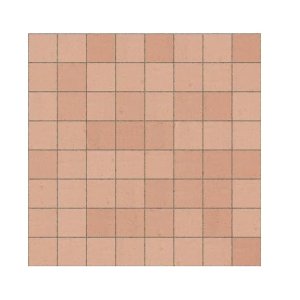
Cost-effective, lightweight tiles made from coarse clay, best suited for indoor walls and light-traffic residential spaces.
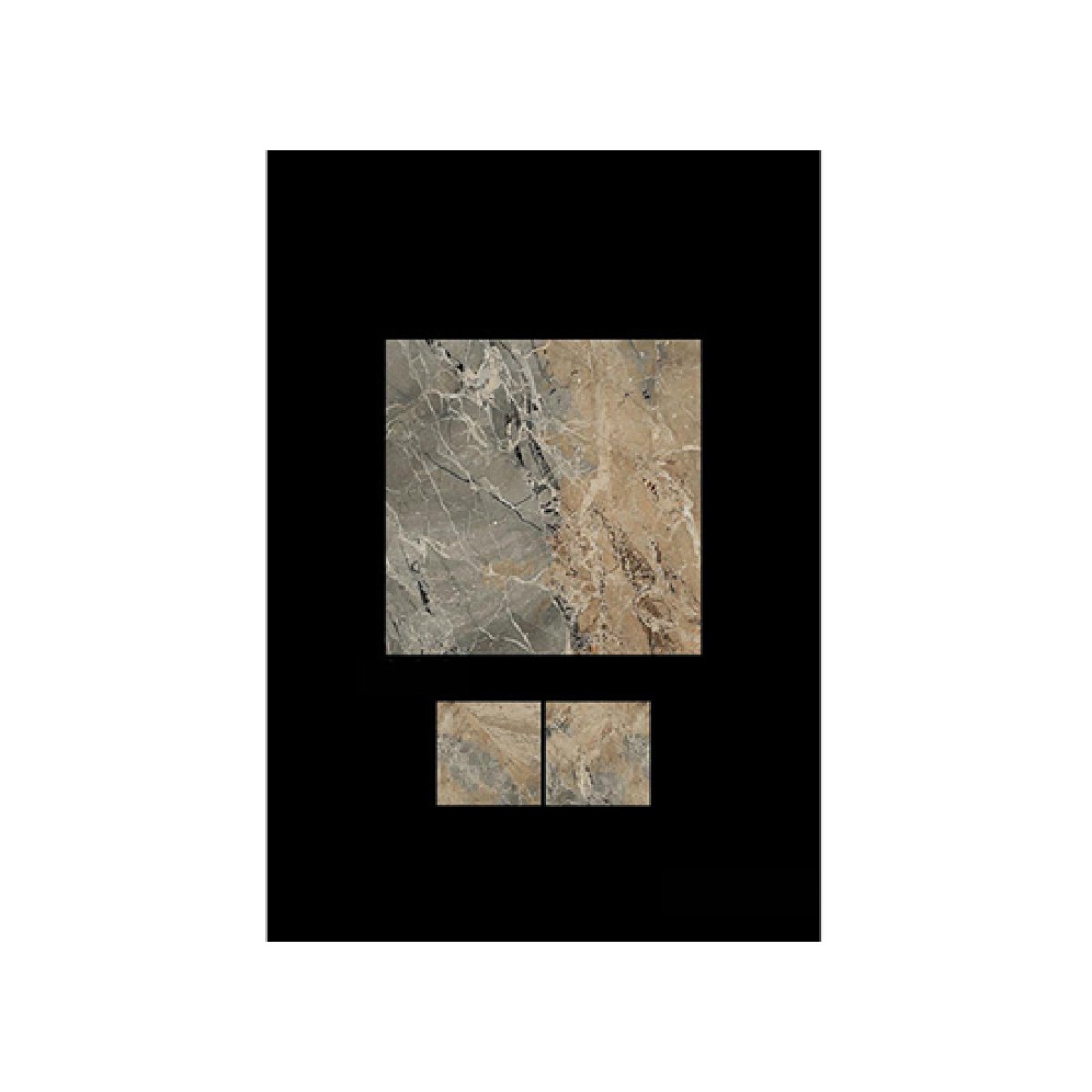
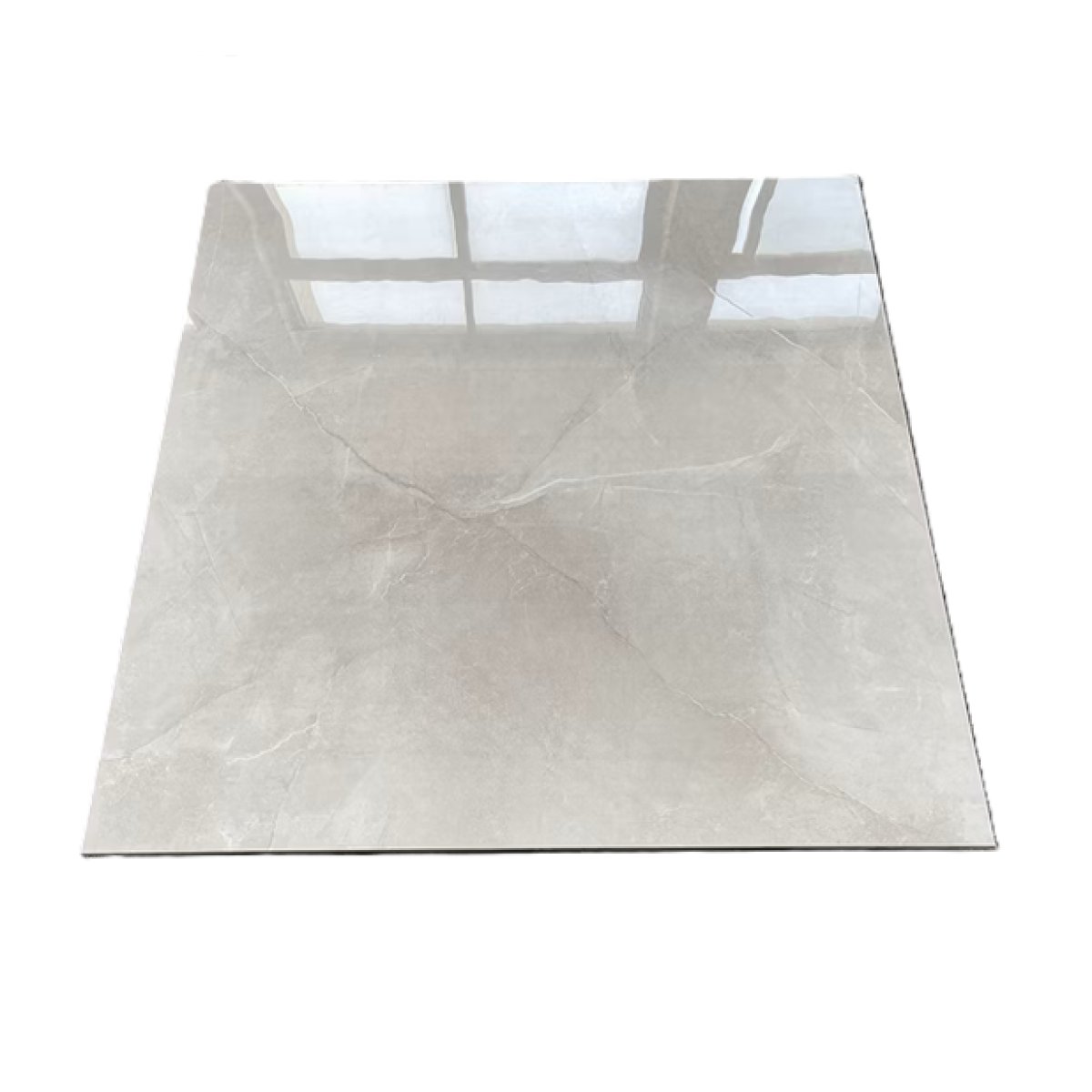
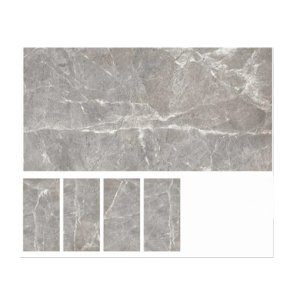
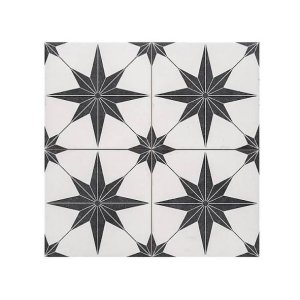
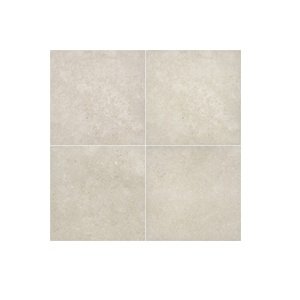
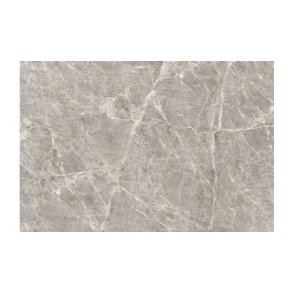
Porcelain Tiles
Dense, highly durable, frost-proof tiles made from refined clay, perfect for heavy-traffic floors and outdoor environments.
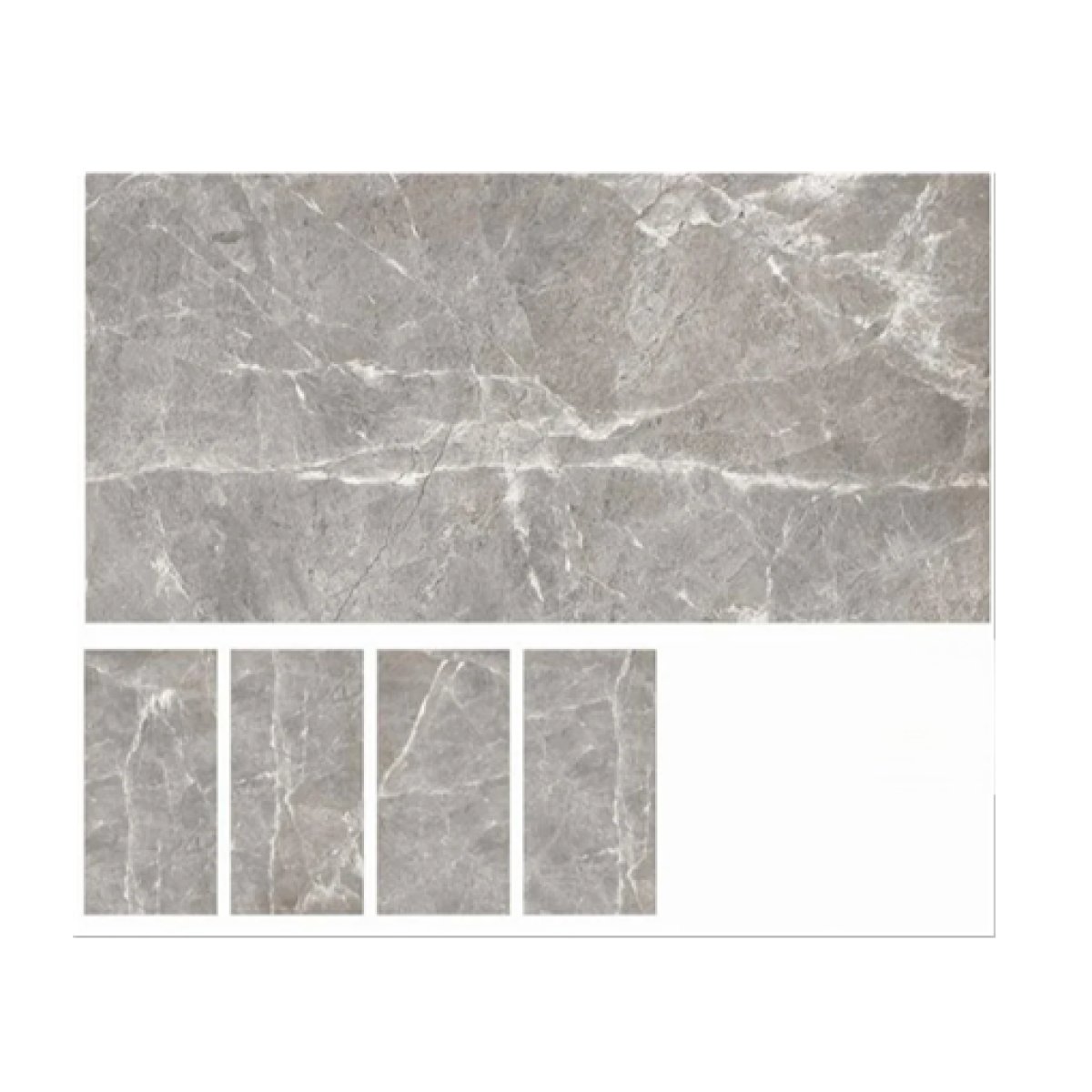
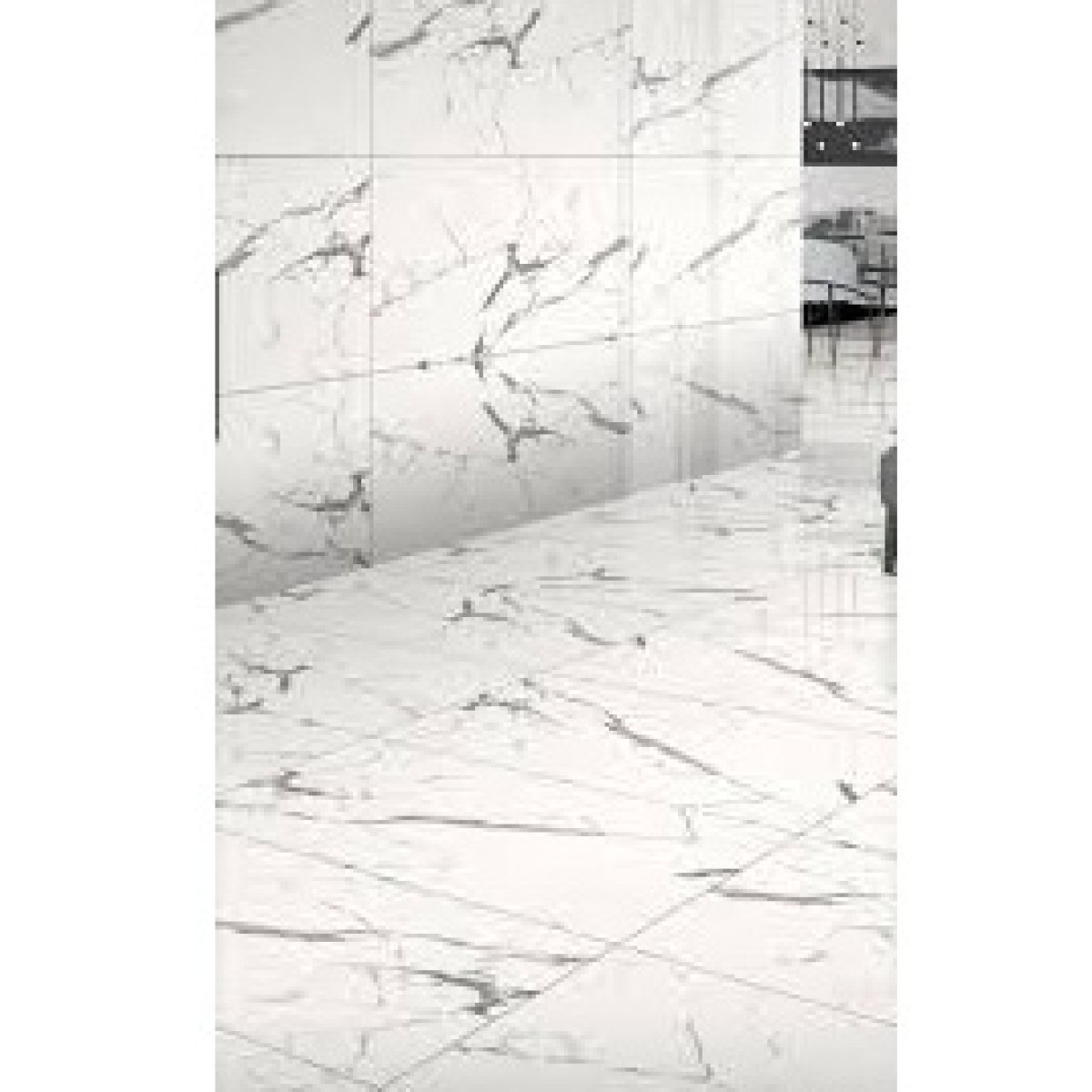
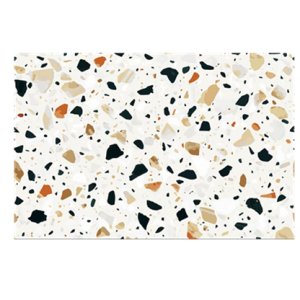
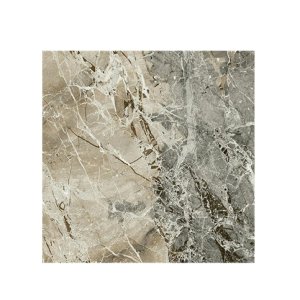
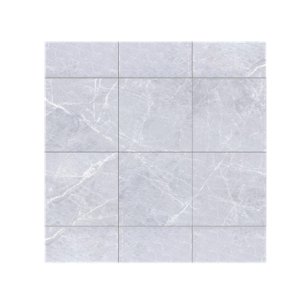
Vitrified Tiles
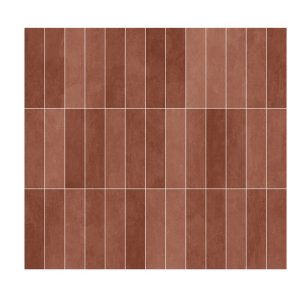
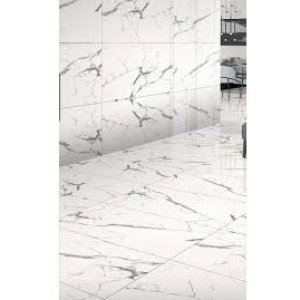
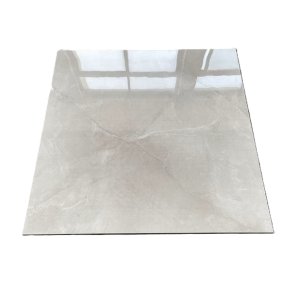
An ultra-dense, non-porous ceramic variant treated through a vitrification process to create a seamless, glass-like glossy finish.
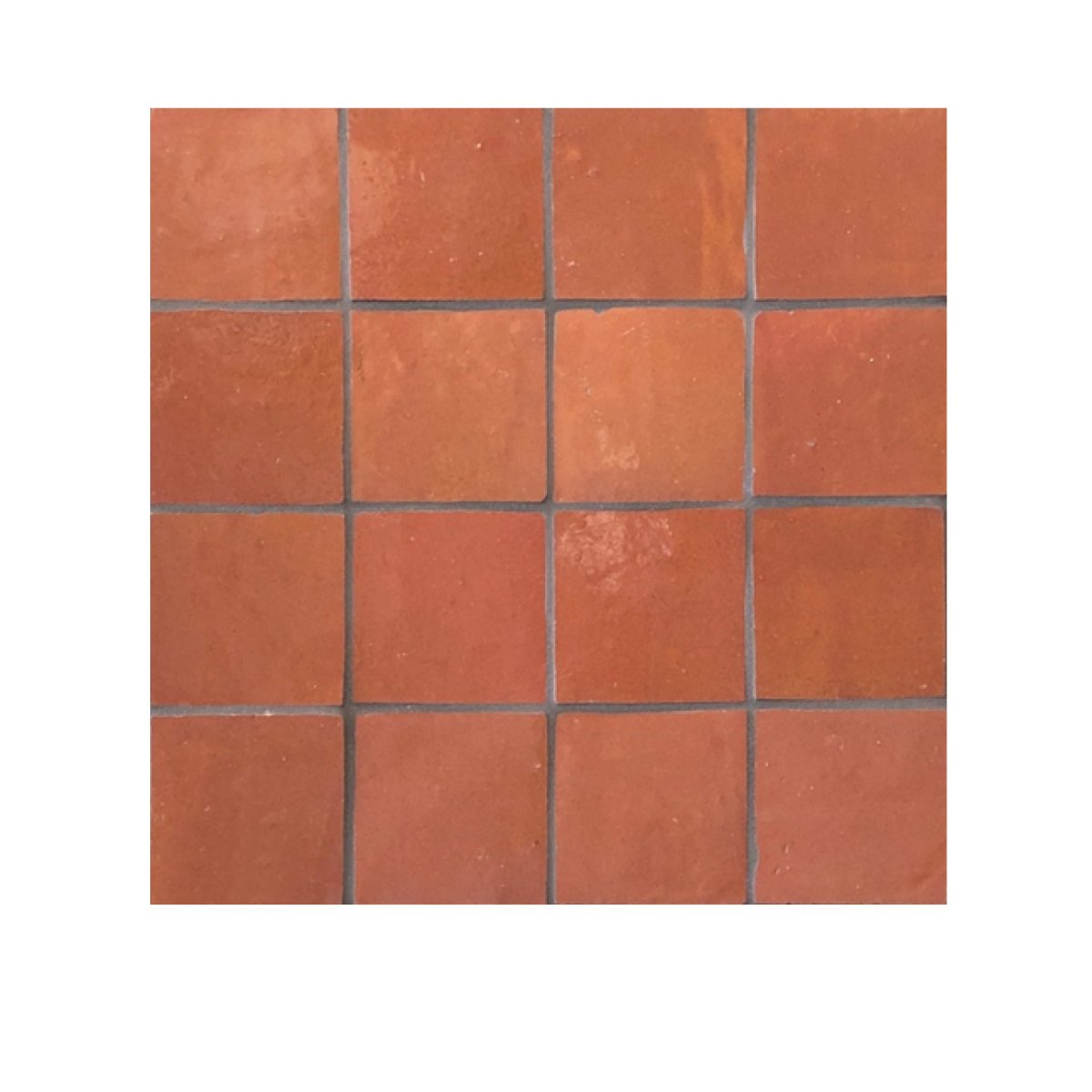
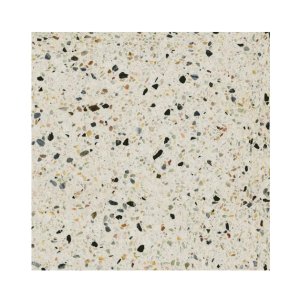
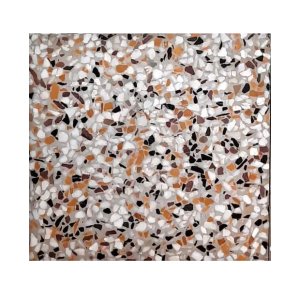
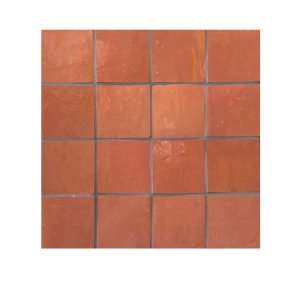
Terracotta Tiles
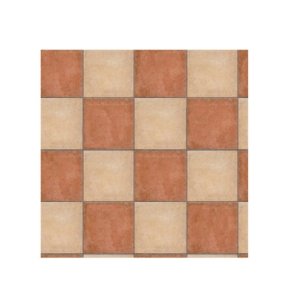
Traditional, unglazed earthen tiles made from natural red clay that offer a rustic, warm, and breathable aesthetic.
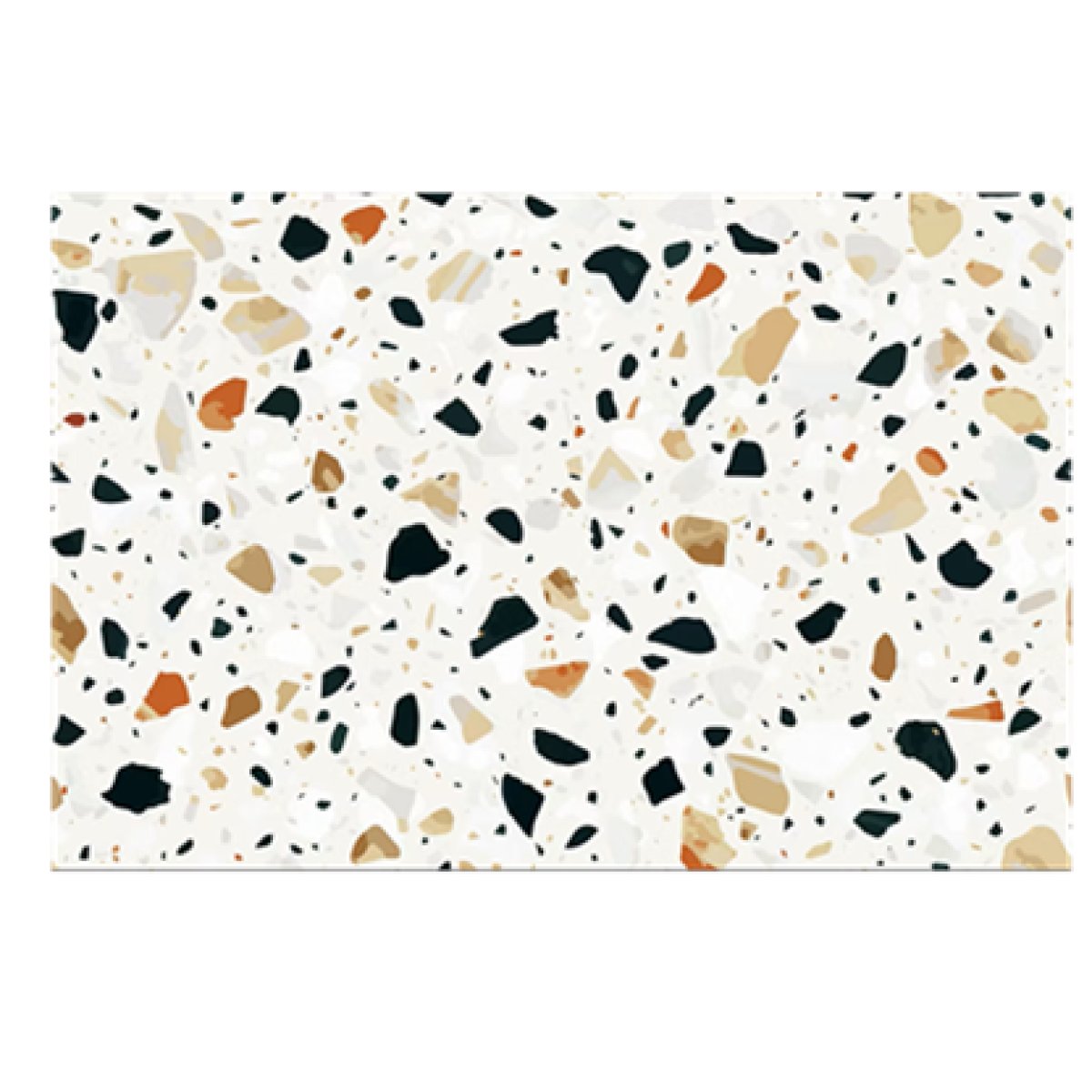
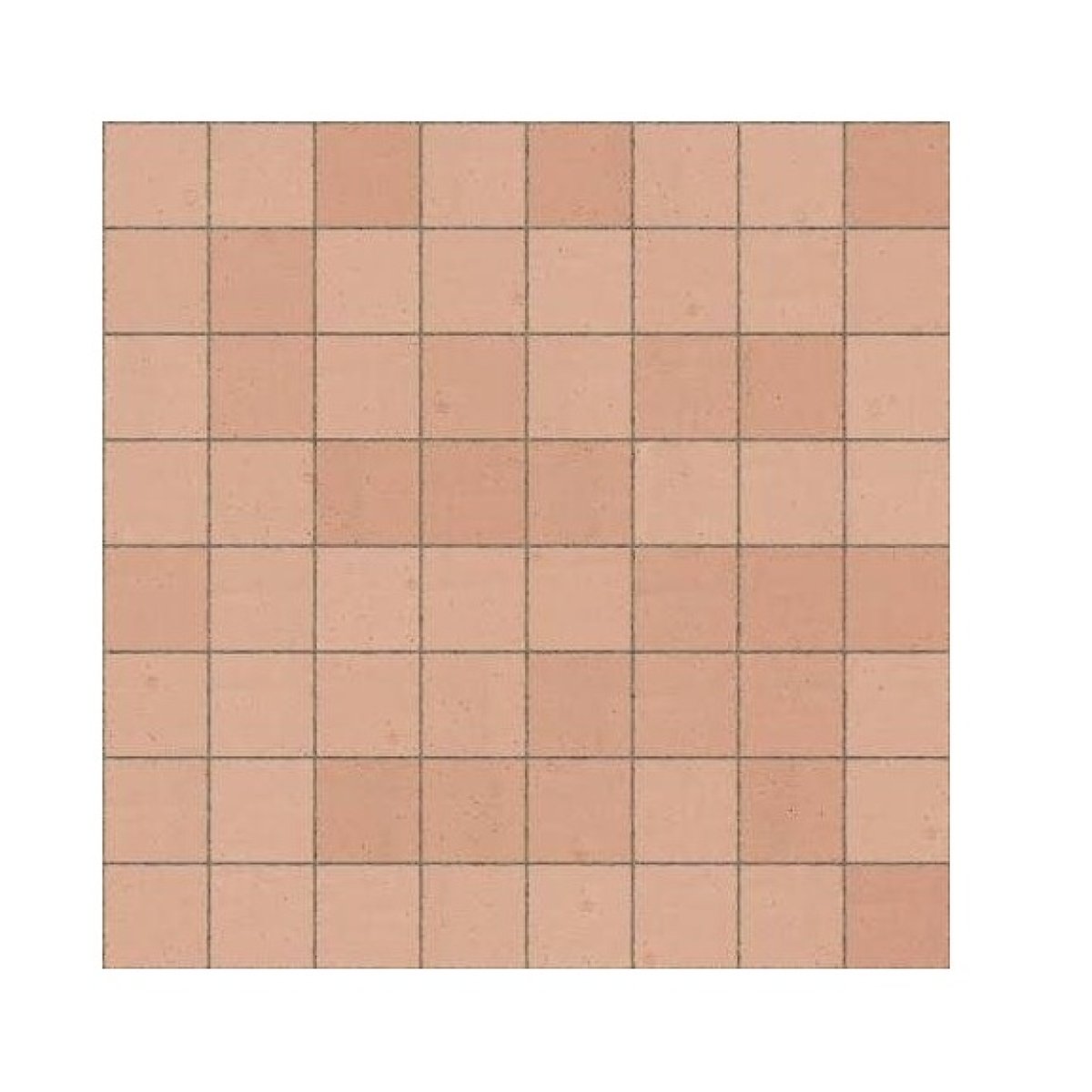
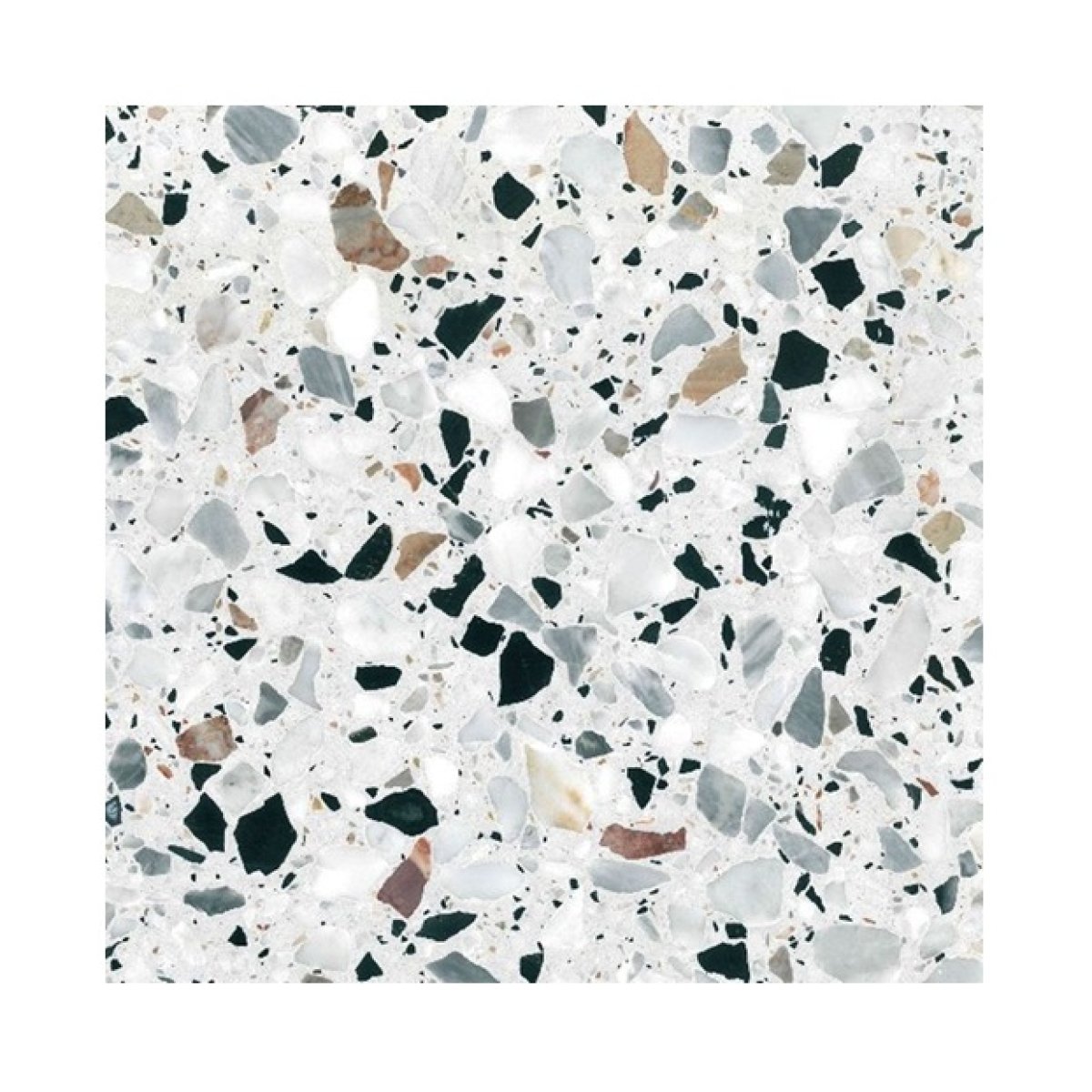
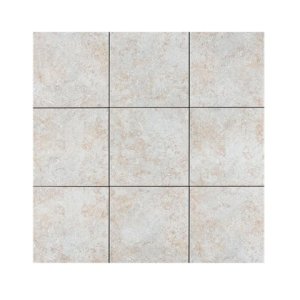
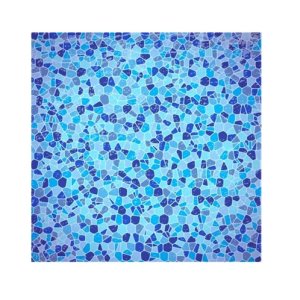
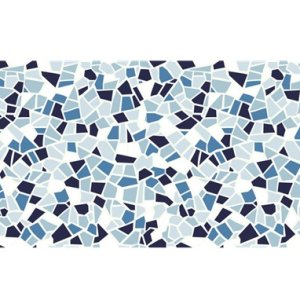
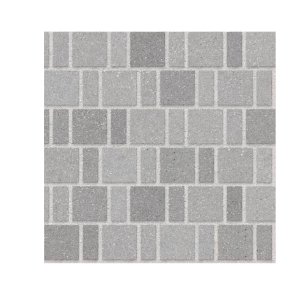
Mosaic Tiles
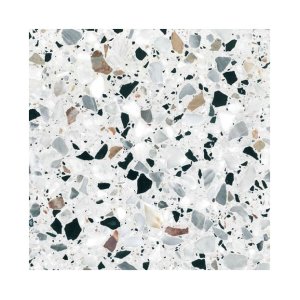
Small, flexible clusters of tile pieces attached to a mesh backing, primarily used for slip-resistant floors and intricate decor accents.
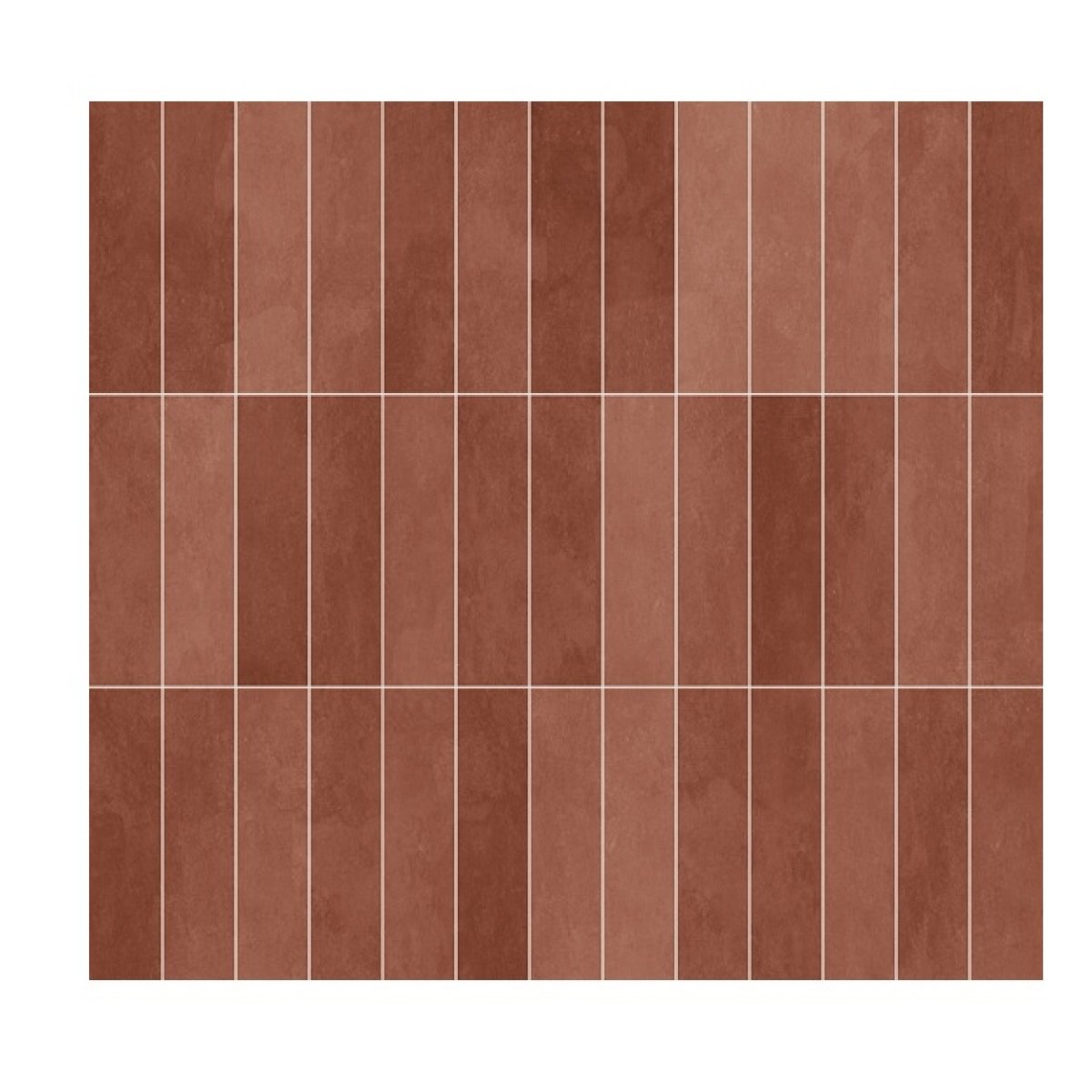
Ceramic Tiles
Ceramic tiles are manufactured from a mixture of red or white clay, minerals, and water. They are fired at relatively low kiln temperatures. This makes them softer and less dense than porcelain, allowing for effortless cutting and installation during remodeling. They are ideal for kitchen backsplashes, accent walls, and low-traffic areas like guest bathrooms. However, because they are more porous, they absorb more water and can chip under heavy impacts. They should never be used outdoors where freezing temperatures occur.
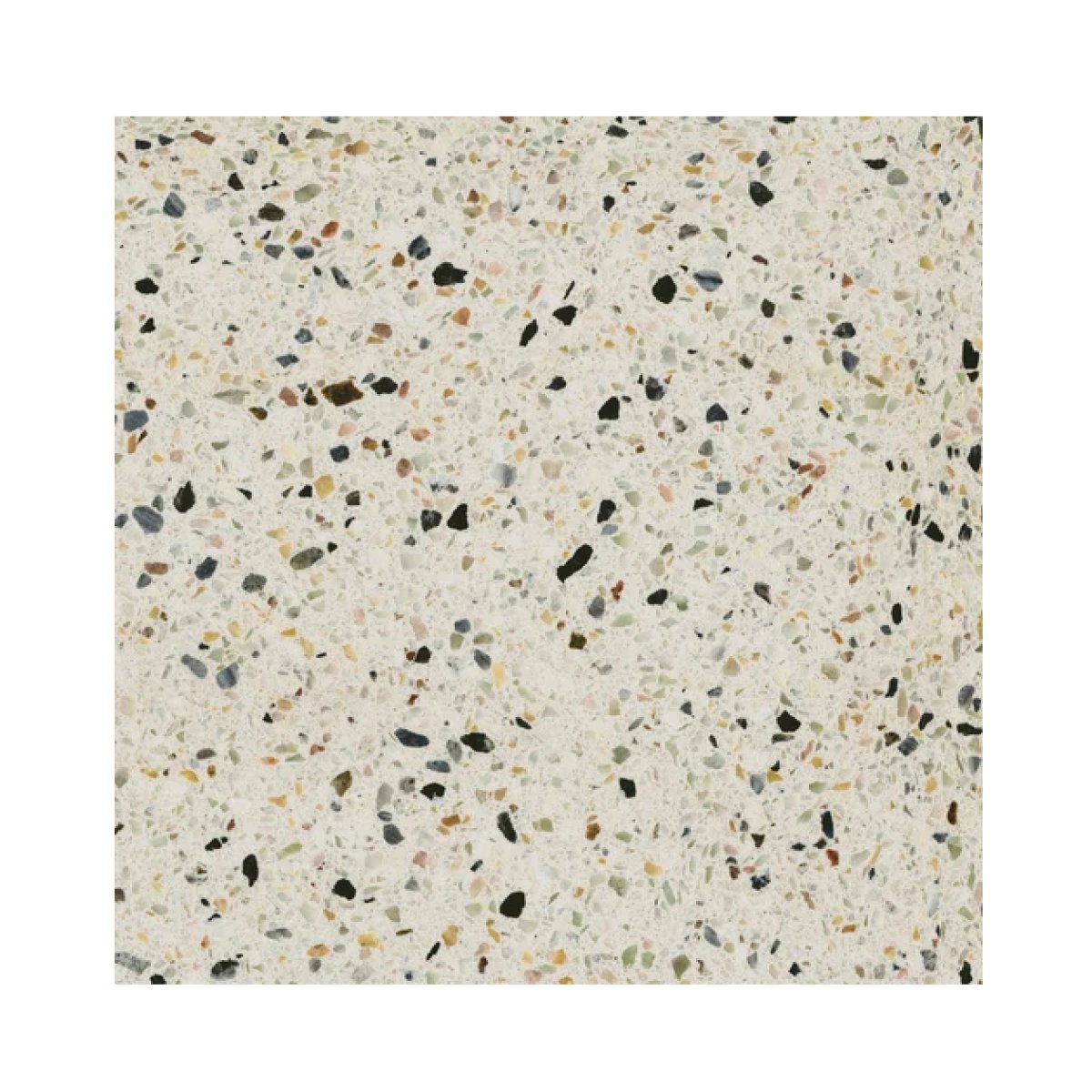
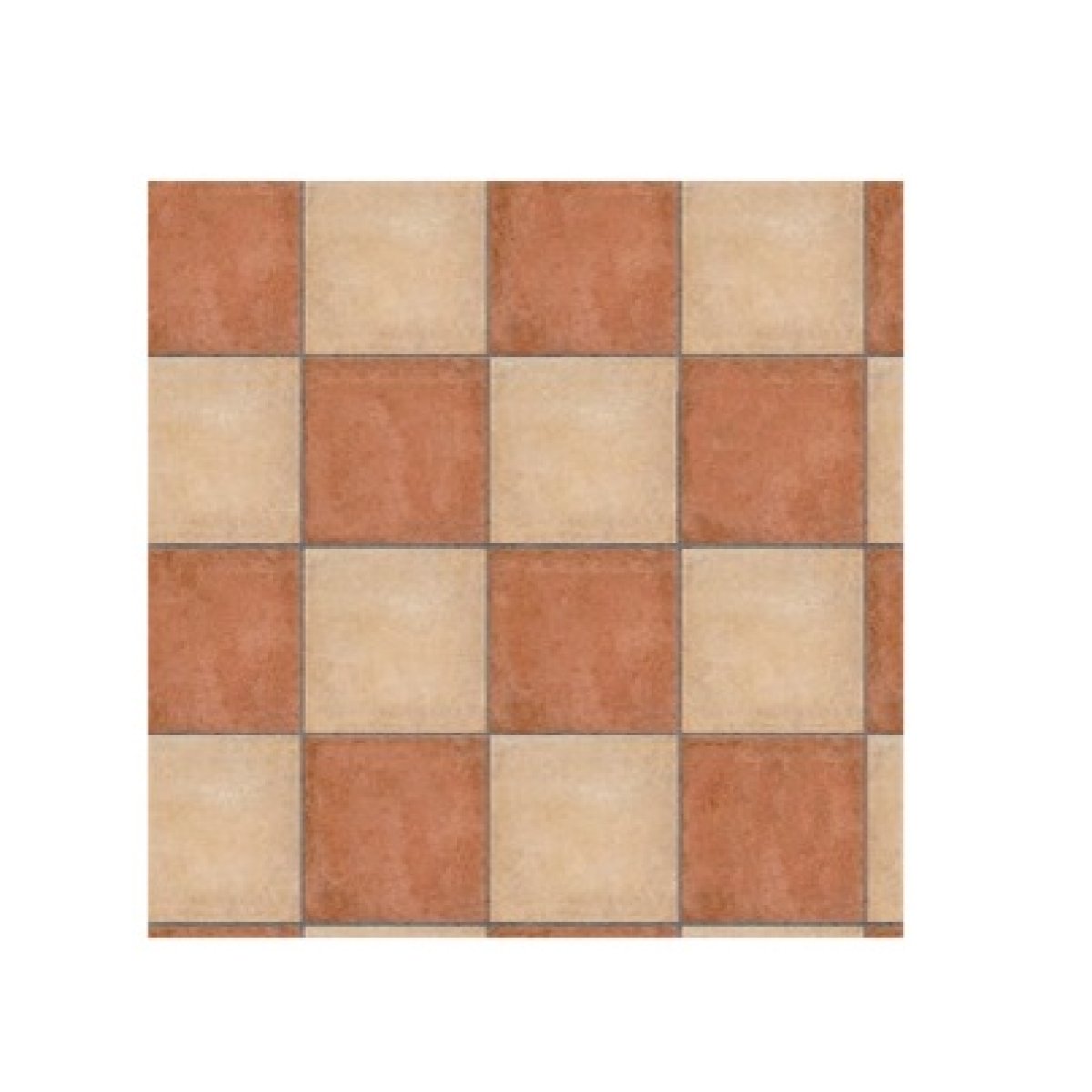
Porcelain Tiles
Porcelain is a premium subtype of ceramic tile made from highly refined, purified white clay, silica, and feldspar. Fired at extreme temperatures (often exceeding 1,200°C), the raw materials fuse into a highly dense, glass-like solid. Porcelain features a water absorption rate of less than 0.5%. This makes it completely frost-resistant, stain-resistant, and impervious to moisture. It is graded for heavy-traffic residential and commercial floors, bathroom shower stalls, and outdoor patios. Because of its extreme hardness, cutting porcelain requires specialized diamond-tipped tools.
Vitrified Tiles
Vitrified tiles undergo a specialized manufacturing process where clay, quartz, and feldspar are melted together into a single, cohesive liquid mass before being pressed and baked. This vitrification process creates an ultra-dense tile with an incredibly low water absorption rate (often under 0.1%). They are highly resistant to scratches, acid, and fading. Vitrified tiles are widely used across expansive indoor areas, such as large living rooms, corporate offices, and airport lounges. They retain their high-gloss shine for decades but can become dangerously slippery when wet.
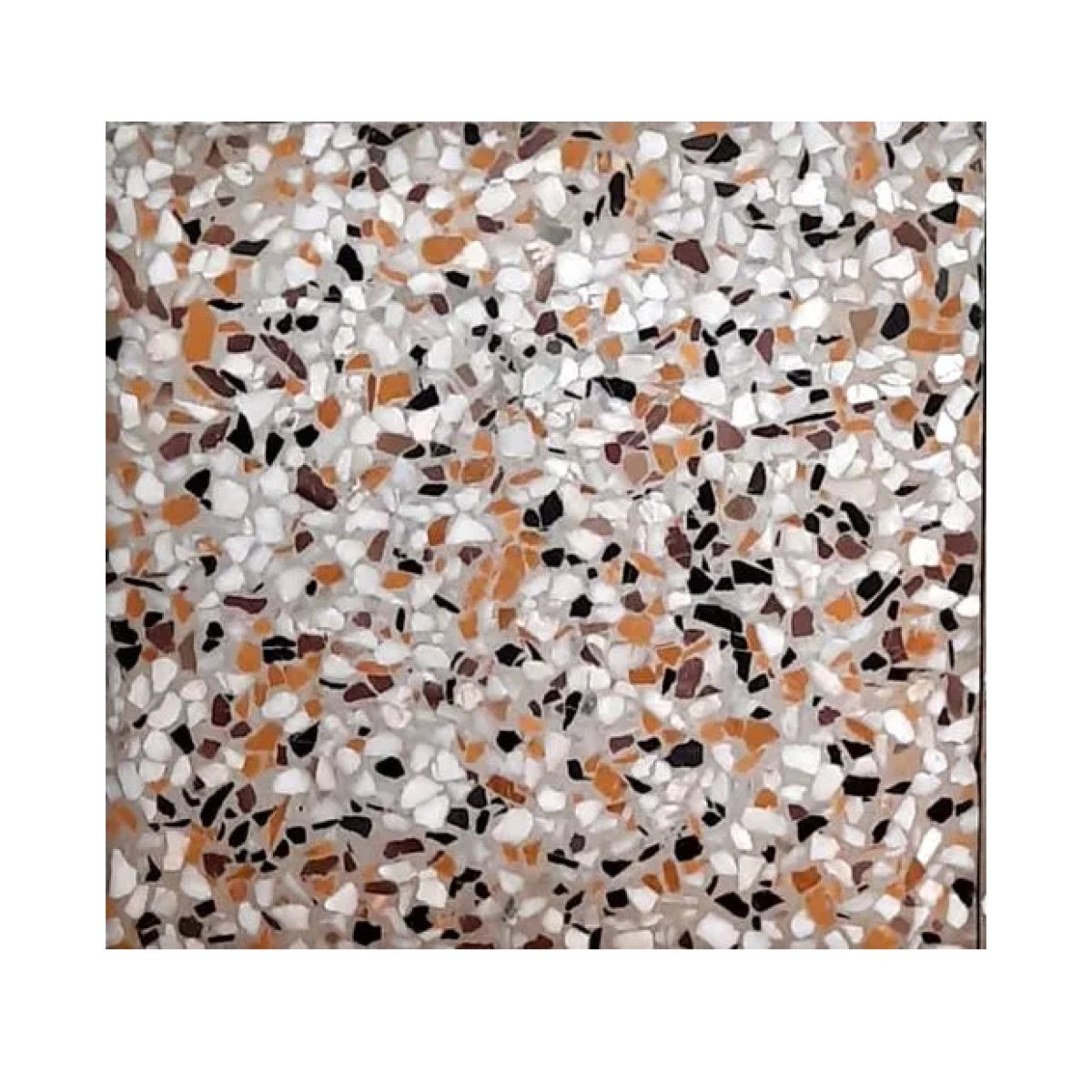
Terracotta Tiles
Terracotta (Italian for "baked earth") is one of the oldest forms of ceramic tiles, made by baking raw, unrefined reddish-brown clay at moderate temperatures. These tiles are prized for their unique, rustic textures, warm earthy tones, and comfortable underfoot feel. However, because they are left unglazed, they are highly porous and susceptible to moisture, staining, and cracking. Terracotta is primarily used in Mediterranean or traditional architecture for sunrooms, porches, and courtyards. They must be sealed immediately after installation, with periodic re-sealing required every few years to preserve their integrity.
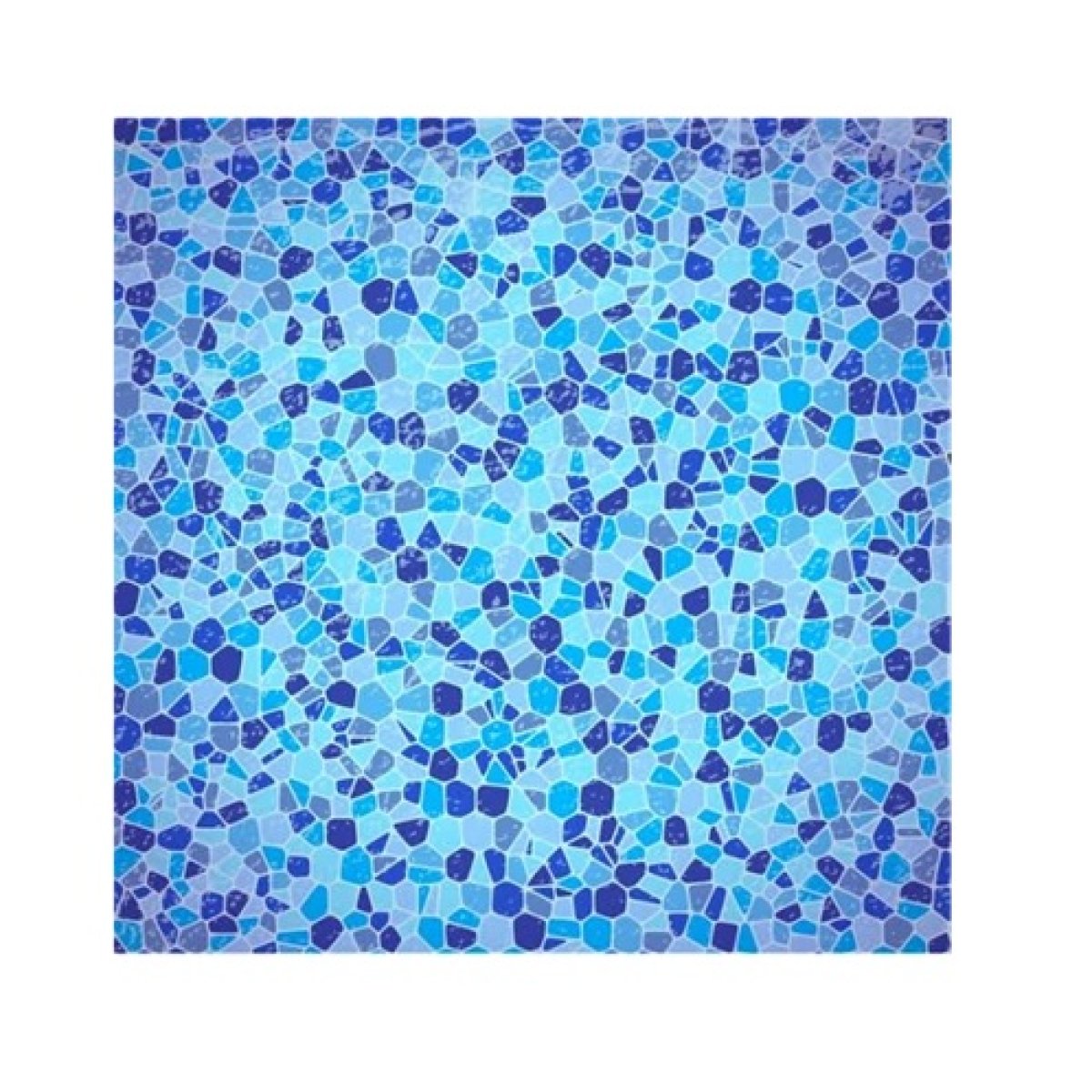
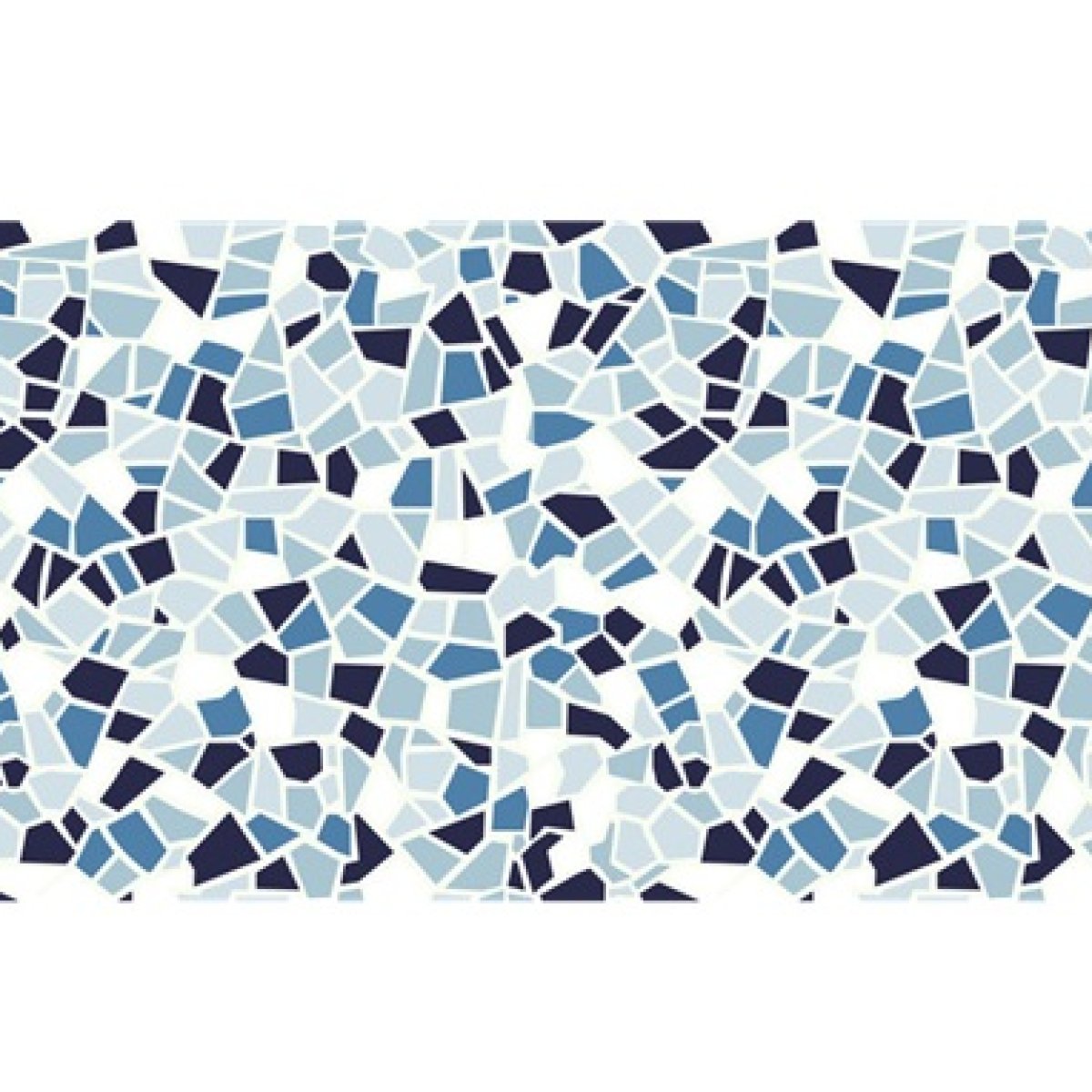
Mosaic Tiles
Mosaic tiles consist of tiny pieces of ceramic, porcelain, glass, or natural stone pre-arranged and glued onto a flexible mesh sheet for easier installation. Because of the vast amount of grout lines between the tiny pieces, mosaics provide exceptional slip resistance, making them the industry standard for sloped shower floors, wet rooms, and swimming pools. They easily bend around curved surfaces like pillars or jacuzzi rims. The primary trade-off is maintenance, as the high density of grout lines requires regular, deep cleaning to prevent mold, mildew, and discoloration.